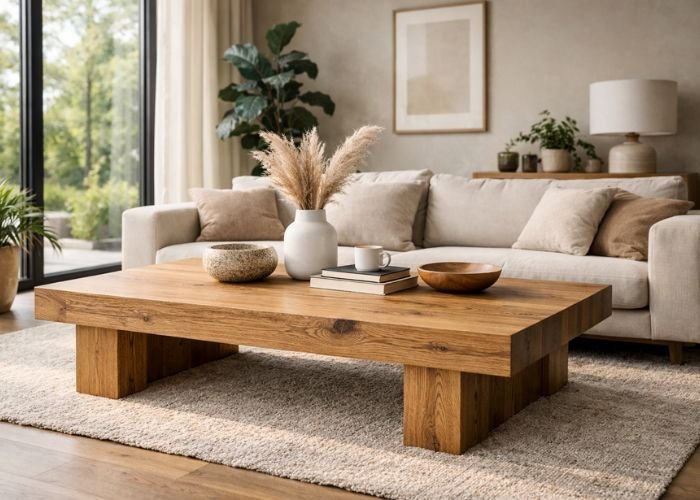
Choosing the best wood for a coffee table might seem simple at first, but the type of wood you choose can dramatically affect durability, appearance, cost, and long-term maintenance. A coffee table is often the centerpiece of your living room, so it should be both practical and visually appealing.
Some woods are incredibly durable and can last for decades, while others are more affordable but may show dents or scratches over time. Grain patterns, color tones, and hardness also influence how well the table fits your interior design style.
In this guide, we’ll explore nine of the strongest and most popular woods used for coffee tables, compare their strengths and weaknesses, and help you choose the right option for your lifestyle, budget, and décor style.
Whether you’re buying furniture or building your own table, this guide will help you find the best wood for a coffee table that balances durability, cost, and design.
How to Choose the Best Wood for a Coffee Table
Before selecting a wood type, it’s important to understand the factors that affect the performance and appearance of your coffee table.
Durability and Hardness
Durability is one of the most important factors when choosing coffee table wood. Tables are exposed to daily use, including drinks, books, decorative objects, and sometimes even footrests.
Wood durability is often measured using the Janka hardness scale, which indicates how resistant a wood is to dents and scratches.
Harder woods such as oak, maple, and walnut typically last longer and show less wear over time.
Grain Pattern and Appearance
Each wood species has a unique grain pattern and color.
For example:
- Oak features bold and textured grain patterns
- Maple has a smooth, uniform grain
- Walnut offers deep, rich brown tones
The grain and color should complement your overall interior design.
Maintenance Requirements
Some woods require more care than others. Certain types need regular polishing or sealing to prevent stains, water marks, or fading.
Hardwoods generally require less maintenance than softwoods because of their dense structure.
Budget Considerations
Wood furniture prices vary widely depending on the species. Premium hardwoods like walnut and teak tend to cost more, while softwoods such as pine are more affordable.
If you’re on a budget, choosing a moderately priced hardwood like oak can offer a good balance between durability and cost.
Lifestyle and Usage
Think about how your table will be used.
For example:
- Homes with children or pets need scratch-resistant wood
- Luxury interiors may prioritize aesthetics
- Outdoor tables require weather-resistant wood
Choosing the right material ensures your coffee table will stay beautiful for years.
Hardwood vs Softwood: Which Is Better for Coffee Tables?
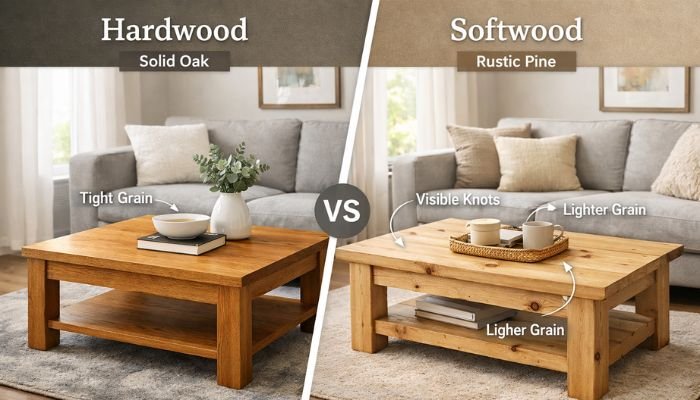
Wood used in furniture generally falls into two categories: hardwood and softwood.
Understanding the difference can help you choose the best material.
Hardwood
Hardwoods come from slow-growing trees and are known for their strength and density.
Common hardwoods used for coffee tables include:
- Oak
- Maple
- Walnut
- Mahogany
- Teak
Hardwoods are highly durable and often last for decades. They are resistant to scratches and dents, making them ideal for frequently used furniture.
Softwood
Softwoods come from faster-growing trees and are generally lighter and less dense.
Common softwoods include:
- Pine
- Cedar
- Redwood
Softwoods are usually more affordable and easier to work with, but they can dent or scratch more easily.
For long-term durability, hardwood is usually the best choice for a coffee table, but softwood can still work well in certain designs or budgets.
9 Best Wood Types for Coffee Tables
Below are the most popular wood types used for coffee tables, along with their advantages and disadvantages.
Oak (Best Overall Wood for Coffee Tables)

Oak is one of the most widely used hardwoods in furniture making. It is known for its strength, durability, and classic grain pattern.
Pros
- Very durable and long-lasting
- Resistant to scratches and dents
- Attractive natural grain
- Moderately priced compared to luxury hardwoods
Cons
- Heavy wood
- Slightly porous if not sealed properly
Oak works well in both traditional and modern interiors. Because of its strength and affordability, many experts consider oak the best wood for a coffee table overall.
Maple (Best for Modern Coffee Tables)

Maple is a dense hardwood with a smooth and uniform grain. It is commonly used in contemporary furniture.
Pros
- Extremely durable
- Smooth grain with a clean look
- Resistant to wear
Cons
- Higher price than many woods
- Can show stains if not sealed properly
Maple is ideal for minimalist or Scandinavian-style interiors where a lighter wood tone is preferred.
Walnut (Best Luxury Coffee Table Wood)
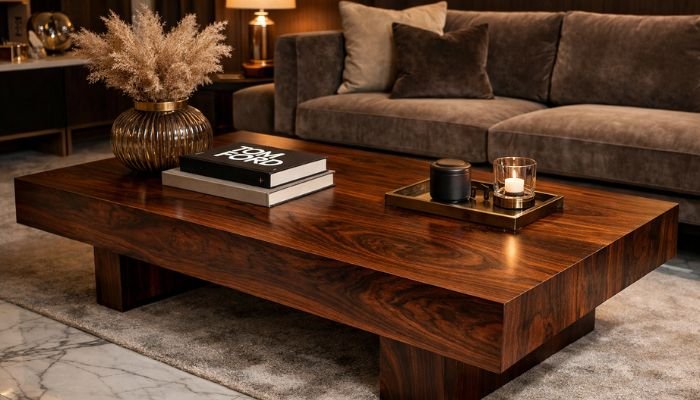
Walnut is a premium hardwood known for its rich dark color and elegant appearance.
Pros
- Beautiful deep brown tones
- Durable and stable wood
- Luxurious appearance
Cons
- Expensive
- Requires regular care to maintain its finish
Walnut coffee tables are often found in luxury interiors or high-end furniture collections.
Mahogany (Best for Elegant Furniture)
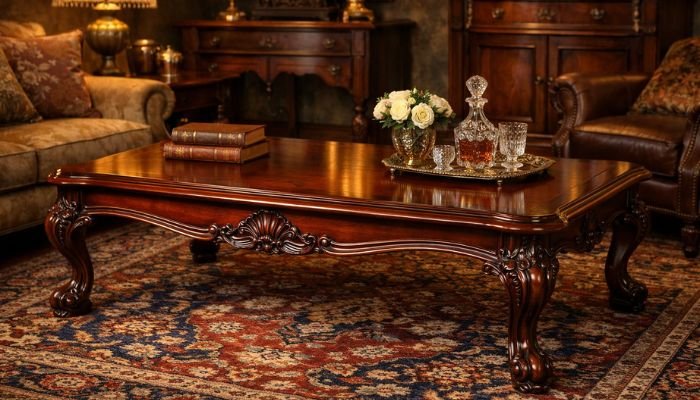
Mahogany is a classic hardwood used in high-quality furniture for centuries.
Pros
- Rich reddish-brown color
- Highly stable wood
- Resistant to warping
Cons
- High cost
- Can scratch easier than some hardwoods
Mahogany adds warmth and sophistication to traditional interiors.
Teak (Best Wood for Outdoor Coffee Tables)
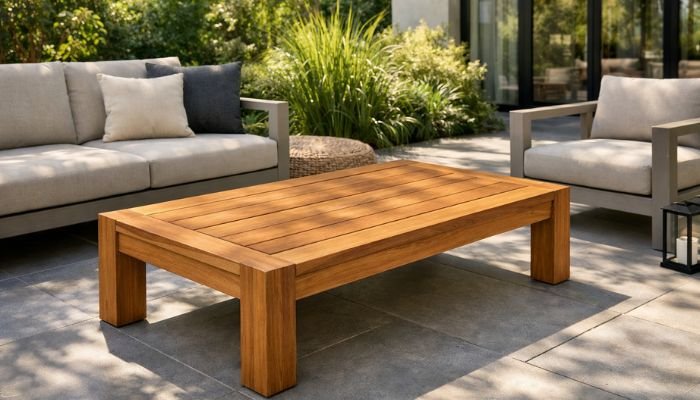
Teak is widely regarded as one of the most durable woods in the world.
Pros
- Naturally water resistant
- Highly durable
- Resistant to insects and decay
Cons
- Very expensive
- Limited availability
Teak is perfect for outdoor coffee tables or humid environments.
Pine (Best Budget Coffee Table Wood)
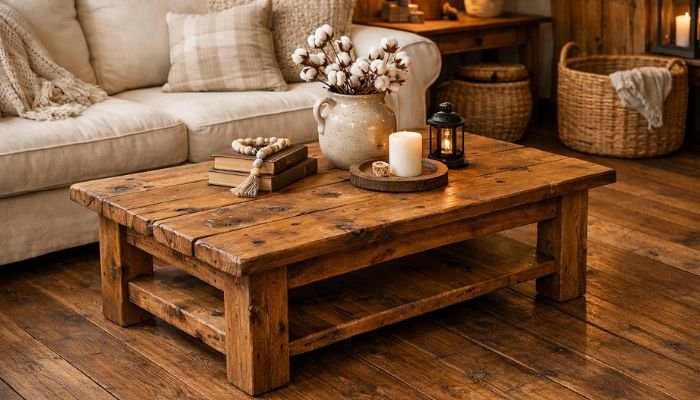
Pine is a popular softwood commonly used in rustic or farmhouse furniture.
Pros
- Affordable
- Lightweight
- Easy to carve and shape
Cons
- Dents easily
- Requires sealing to prevent damage
Despite being softer than hardwoods, pine is a good choice for budget-friendly furniture.
Cedar (Best Wood for Humid Areas)
Cedar is known for its pleasant scent and natural resistance to insects.
Pros
- Naturally resistant to moisture
- Repels insects
- Unique reddish color
Cons
- Soft wood that can scratch easily
- Needs regular sealing
Cedar coffee tables work well in humid climates or outdoor spaces.
Redwood (Best Weather-Resistant Wood)
Redwood is valued for its durability and resistance to outdoor elements.
Pros
- Naturally weather resistant
- Attractive reddish tones
- Resistant to insects
Cons
- More expensive than many softwoods
- Limited supply in some regions
Redwood tables are often used in outdoor living spaces.
Acacia (Best Eco-Friendly Coffee Table Wood)
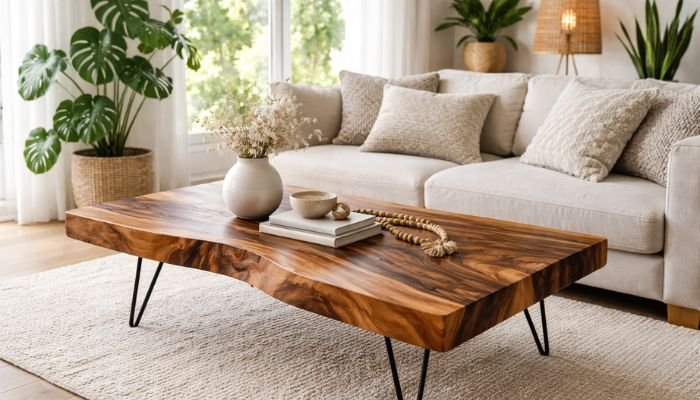
Acacia is becoming increasingly popular due to its sustainability and durability.
Pros
- Eco-friendly and sustainable
- Unique grain patterns
- Strong hardwood
Cons
- Can vary in color
- Requires proper sealing
Acacia coffee tables offer a beautiful natural appearance and strong durability.
Wood Durability Comparison

Here’s a quick comparison of the most popular coffee table woods.
| Wood | Durability | Price | Best For |
| Oak | High | Medium | Everyday living rooms |
| Maple | Very High | High | Modern interiors |
| Walnut | High | High | Luxury furniture |
| Mahogany | High | High | Traditional interiors |
| Teak | Extremely High | Very High | Outdoor tables |
| Pine | Medium | Low | Budget furniture |
| Cedar | Medium | Low | Humid climates |
| Redwood | High | Medium | Outdoor furniture |
| Acacia | High | Medium | Eco-friendly designs |
Solid Wood vs Veneer Coffee Tables
When buying a coffee table, you’ll often see both solid wood and veneered furniture.
Solid Wood
Solid wood tables are made entirely from natural wood boards.
Advantages include:
- Long lifespan
- Can be refinished
- High durability
The downside is that they are usually more expensive.
Veneer Furniture
Veneer furniture uses a thin layer of real wood applied over materials like plywood or MDF.
Advantages inclue:
- Lower cost
- Lightweight
- More stable in changing climates
However, veneers cannot usually be sanded or refinished if damaged.
Best Wood Finishes for Coffee Tables
Finishes help protect wood and improve appearance.
Oil Finish
Oil finishes highlight the natural grain of the wood and create a warm appearance.
They require periodic reapplication but are easy to maintain.
Lacquer Finish
Lacquer creates a smooth, glossy surface and protects the wood from moisture.
It is commonly used for modern furniture.
Polyurethane Finish
Polyurethane is extremely durable and provides strong protection against water and scratches.
It is ideal for high-use furniture like coffee tables.
Best Wood for Coffee Tables Based on Use
Different households have different needs.
- Best for families with kids: Oak or maple
- Best for luxury interiors: Walnut or mahogany
- Best budget option: Pine
- Best outdoor coffee table wood: Teak or redwood
Sustainable and Eco-Friendly Wood Options
Sustainability is becoming an important factor when buying furniture.
Look for wood certified by the Forest Stewardship Council (FSC), which ensures responsible forest management.
Eco-friendly options include:
- Reclaimed wood
- Bamboo
- Acacia
These materials reduce environmental impact while maintaining durability.
Coffee Table Wood Maintenance Tips
Proper maintenance can significantly extend the life of your coffee table.
Some simple tips include:
- Clean with a soft cloth instead of harsh chemicals
- Use coasters to prevent water rings
- Avoid direct sunlight that can fade wood
- Apply polish or oil periodically
With proper care, many wooden coffee tables can last for decades.
Final Verdict: What Is the Best Wood for a Coffee Table?
The best wood for a coffee table depends on your priorities, budget, and design preferences.
For most homes, oak is the best overall choice because it offers excellent durability, classic appearance, and reasonable cost.
However, other woods may suit specific needs better.
- Best overall: Oak
- Best luxury wood: Walnut
- Best modern furniture wood: Maple
- Best budget option: Pine
- Best outdoor wood: Teak
By understanding the strengths and weaknesses of different wood types, you can choose a coffee table that will remain beautiful, functional, and durable for many years.