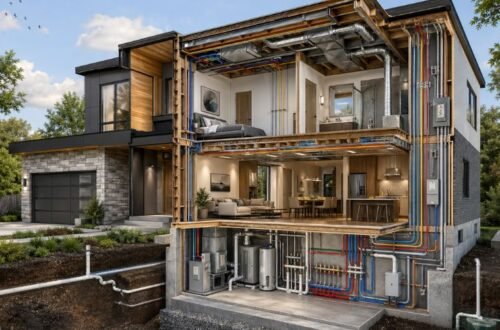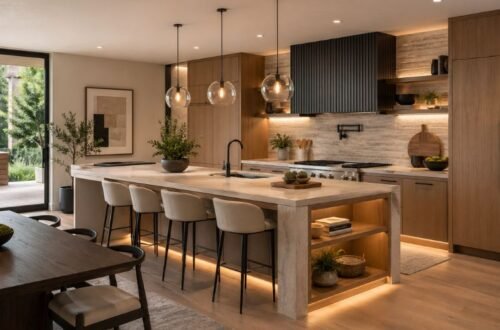
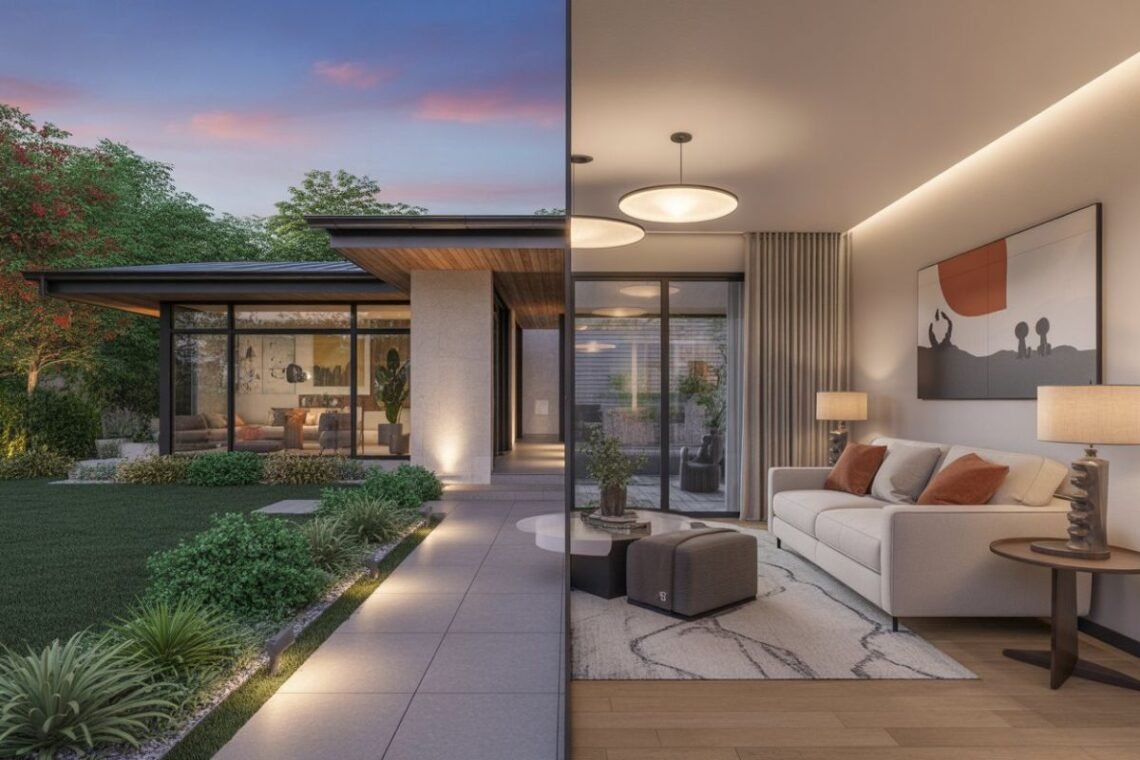
When you look at a beautifully designed home, you’re seeing the result of two creative worlds working together — interior design and exterior design.
Most people think they’re similar, but in reality, they have different purposes, materials, skill sets, and challenges.
Whether you’re planning a renovation, building a new home, or simply curious about the difference, this guide breaks down both design fields in a clean and easy-to-understand way.
Let’s dive in.
1. What Is Interior Design?
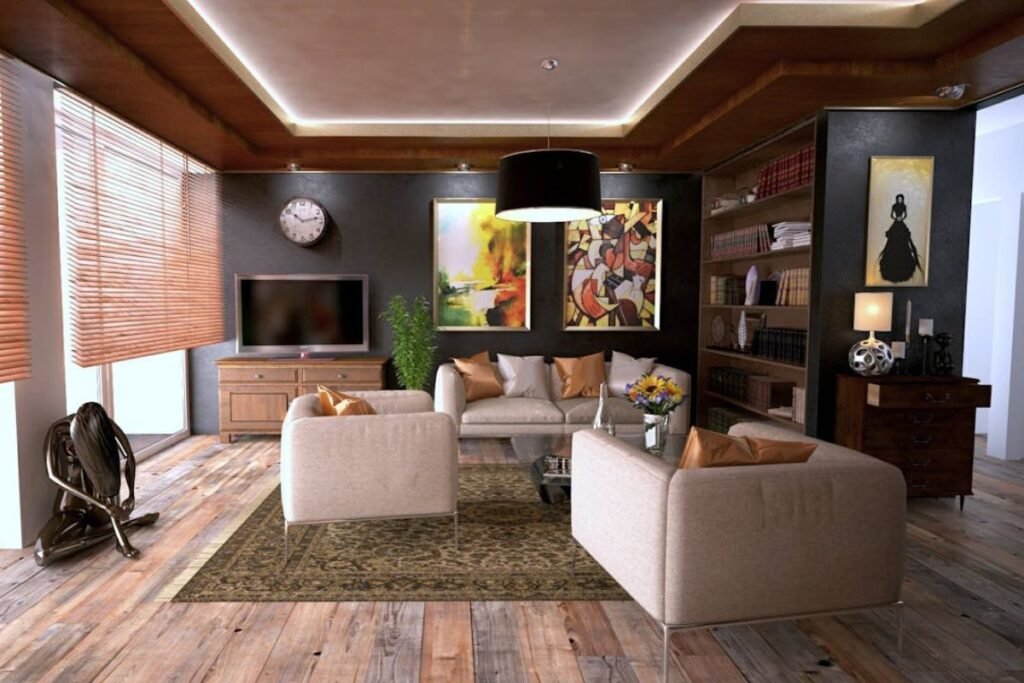
Interior design is all about making indoor spaces functional, comfortable, and visually appealing. It focuses on how people live inside a space — from how they walk through a room to how lighting affects their mood.
Key goals of interior design:
- Make living spaces practical and comfortable
- Improve the look and feel of a home
- Reflect the homeowner’s personality
- Optimize space through smart planning
- Create harmony between colors, furniture, and decor
Interior elements include:
- Furniture and layout
- Lighting placement & fixtures
- Flooring (tiles, wood, LVP, carpet)
- Color palettes
- Wall decor
- Fabrics (curtains, upholstery, cushions)
- Accessories and art
- Storage solutions
Tools interior designers use:
- 3D visualization software
- Mood boards
- Space-planning apps
- Material and color swatches
Interior design transforms empty rooms into welcoming environments that feel like home.
2. What Is Exterior Design?
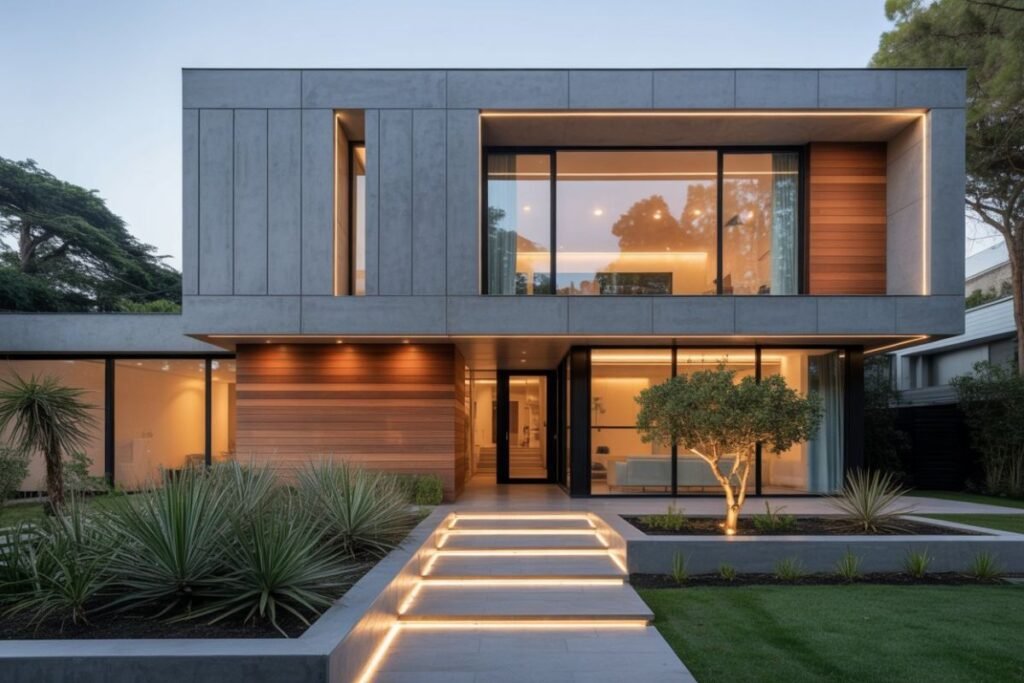
Exterior design focuses on how the outside of a home or building looks and functions.
It’s responsible for curb appeal, durability, and how the structure interacts with the environment.
Key goals of exterior design:
- Enhance curb appeal
- Improve property value
- Ensure durability against weather
- Create a cohesive architectural style
- Ensure safety and structural stability
Exterior elements include:
- Facades and siding
- Roofing styles
- Landscaping
- Driveways and walkways
- Porches, patios, decks
- Exterior paint & finishes
- Outdoor lighting
- Fencing and gates
Tools exterior designers use:
- Architectural drafting tools
- Facade rendering software
- Landscaping design apps
- Material selection tools for climate durability
Exterior design focuses on first impressions — and long-lasting protection.
3. Key Differences Between Interior and Exterior Design
Here’s a simple breakdown of how the two fields differ:
| Aspect | Interior Design | Exterior Design |
| Primary Purpose | Enhance indoor living experience | Improve outdoor appearance + durability |
| Main Focus | Function, comfort, aesthetics | Weather resistance, curb appeal, structure |
| Materials Used | Fabrics, furniture, paint, lighting | Concrete, stone, pavers, roofing, exterior paints |
| Weather Considerations | Very low | Very high |
| Skillset | Color theory, space planning, decor | Structural knowledge, landscape understanding |
| Design Tools | Mood boards, 3D interior planners | Architectural planning software |
| Cost Range | Lower to moderate | Moderate to high |
| Type of Work | Decorating and renovating interiors | Construction, facades, outdoor layouts |
4. Skills Required in Each Field
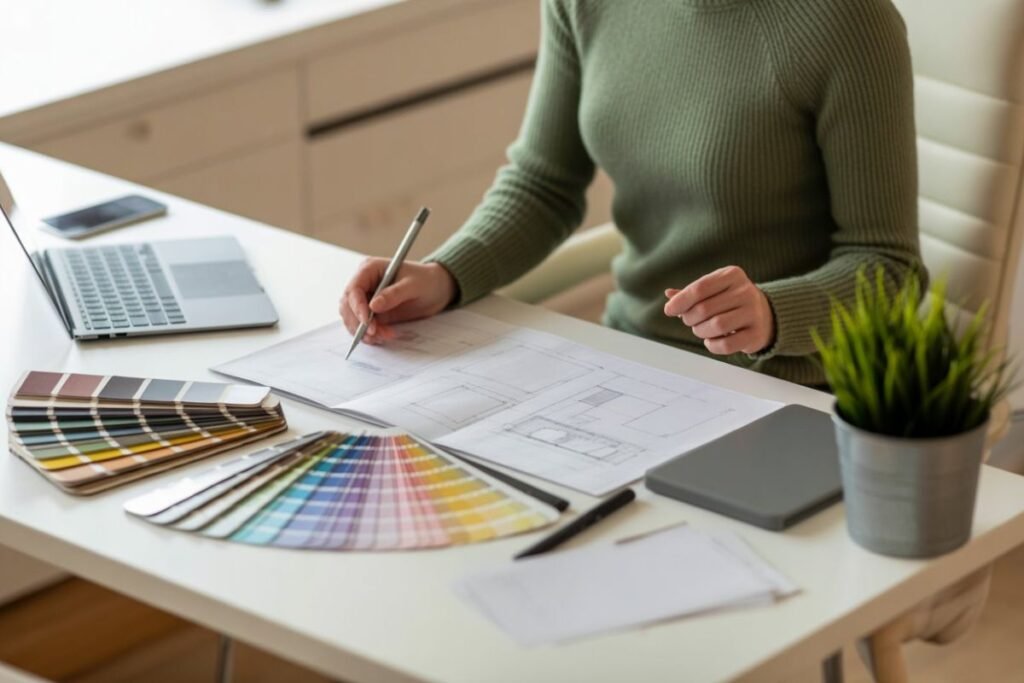
Interior Designers Need:
- Space-planning skills
- Creative visualization
- Furniture and decor knowledge
- Understanding of lighting and colors
- Communication and project management
Exterior Designers Need:
- Knowledge of construction & engineering
- Landscaping expertise
- Material durability understanding
- Ability to plan for climate & weather
- Strong architectural coordination skills
Both roles require creativity, but the nature of their work is different.
5. Education & Training
While training varies, here’s the general path:
Interior Designers Usually Study:
- Interior design or interior architecture
- Fine arts or graphic design
- CAD and design theory
- Certifications like NCIDQ
Exterior Designers Usually Study:
- Architecture
- Civil engineering
- Construction design
- Landscape architecture
- Urban design courses
6. Duties & Responsibilities
Interior Designer Duties:
- Create layout plans
- Select furniture, colors, lighting
- Organize space for better use
- Work with contractors for renovations
- Choose flooring, fabrics, and materials
Exterior Designer Duties:
- Design exterior facades and landscapes
- Plan roofing and siding options
- Coordinate driveways, decks, and patios
- Choose durable exterior materials
- Enhance curb appeal and building safety
Both roles often work together for major projects.
7. Tools, Materials & Technology Used
Interior Design Tools
- LVP flooring selectors
- Virtual room planners
- Furniture mapping tools
- Lighting design software
Exterior Design Tools
- Façade rendering apps
- Outdoor layout mapping tools
- Material durability checklists
- Weather-resistance design tools
Today’s designers rely heavily on technology to bring ideas to life before construction begins.
8. Cost Differences: Interior vs. Exterior Work
Costs vary depending on project size, materials, and labor.
Interior Design Costs
Include:
- Furniture
- Flooring
- Lighting
- Paint & decor
- Carpentry
Typically priced per square foot or per project.
Exterior Design Costs
Include:
- Landscaping
- Roofing
- Siding/facade work
Decks & patios - Driveways & fencing
Since structural changes and outdoor materials are involved, exterior projects often cost more.
9. How Interior and Exterior Design Work Together
A well-designed home has a seamless flow between the inside and the outside.
Here’s how both areas connect:
- Matching color themes and palettes
- Architectural style consistency
- Indoor-outdoor living spaces (patios, decks, balconies)
- Outdoor lighting that complements indoor ambiance
- Landscaping that enhances window views
Good design makes your whole home feel unified, not separated.
10. Common Mistakes Homeowners Make
These mistakes often lead to extra expenses and poor results:
- Mixing themes that don’t match
- Using indoor materials outside (they won’t survive the weather)
- Ignoring lighting on both sides of the home
- Not checking building codes and safety standards
- Skipping space planning
A little planning goes a long way.
11. Real-Life Examples
Here are some popular design combinations:
- Modern exterior + warm Scandinavian interior
- Minimalist facade + cozy neutral interiors
- Coastal blue exterior + airy white interior themes
- Rustic exterior + industrial interiors
- Tropical outdoor landscape + boho interior theme
This gives readers visual inspiration and boosts engagement.
12. Which One Do You Need? (Quick Decision Guide)
Choose an interior designer if you’re:
- Furnishing a new home
- Renovating a kitchen or bedroom
- Redoing flooring or lighting
- Improving functionality and comfort
Choose an exterior designer if you’re:
- Upgrading your home’s curb appeal
- Working on landscaping
- Building patios, decks, or driveways
- Changing roofing, paint, or siding
For major renovations, you may need both.
13. FAQs: Exterior vs. Interior Design
Q1. What is the main difference between interior and exterior design?
Interior design focuses on indoor spaces, while exterior design focuses on the outside appearance and durability of a building.
Q2. Which is more expensive?
Exterior design usually costs more because it involves construction, heavy materials, and outdoor work.
Q3. Does exterior design include landscaping?
Yes, landscaping is a major component of exterior design.
Q4. Can the same designer handle both?
Some designers do both, but most specialize in one area.
Q5. Are materials different?
Yes — exterior materials must be more durable and weather-resistant.
Conclusion
Interior and exterior design may work on different sides of a home, but both are essential for creating a beautiful, functional, and lasting space. Understanding the differences helps you hire the right professionals, plan better, and confidently take on any renovation or construction project.
If you’re planning to improve your home, consider how the inside and outside can complement each other — that’s the secret to stunning design.