Want a home that feels cleaner, runs smoother, and supports a healthier lifestyle? You’re not alone. Homes in 2025 are no longer just places to sleep and store things — they’re wellness spaces, productivity hubs, and comfort zones.
Whether you’re living in a small apartment, a full-size family home, or somewhere in between, improving your living environment doesn’t require a full renovation budget. Sometimes, tiny strategic upgrades make the biggest difference.
This guide covers how to make your home healthier, more efficient, and more enjoyable — in a practical, modern, and realistic way.
What Is a Healthy and Functional Home?
A healthy and functional home is one that:
- Reduces allergens, dust, and harmful chemicals
- Promotes better air, water, and light quality
- Supports daily habits with smart storage and efficient layouts
- Improves comfort, energy efficiency, and long-term maintenance costs
- Helps you feel calmer, happier, and more in control of your space
Think of it as a mix of wellness + organization + smart living.
Why Improving Your Home Matters in 2025
Modern homes are filled with technology, processed materials, and rapidly changing lifestyles. Small issues like clutter, poor ventilation, or mismatched storage solutions can gradually turn into stress triggers, health hazards, or energy waste.
Upgrading your home gives you:
- Better sleep
- Cleaner air and water
- More mental clarity
- Higher productivity
- Reduced stress
- Fewer maintenance repairs later
You don’t need perfection — just gradual intentional improvements.
1. Improve Indoor Air Quality
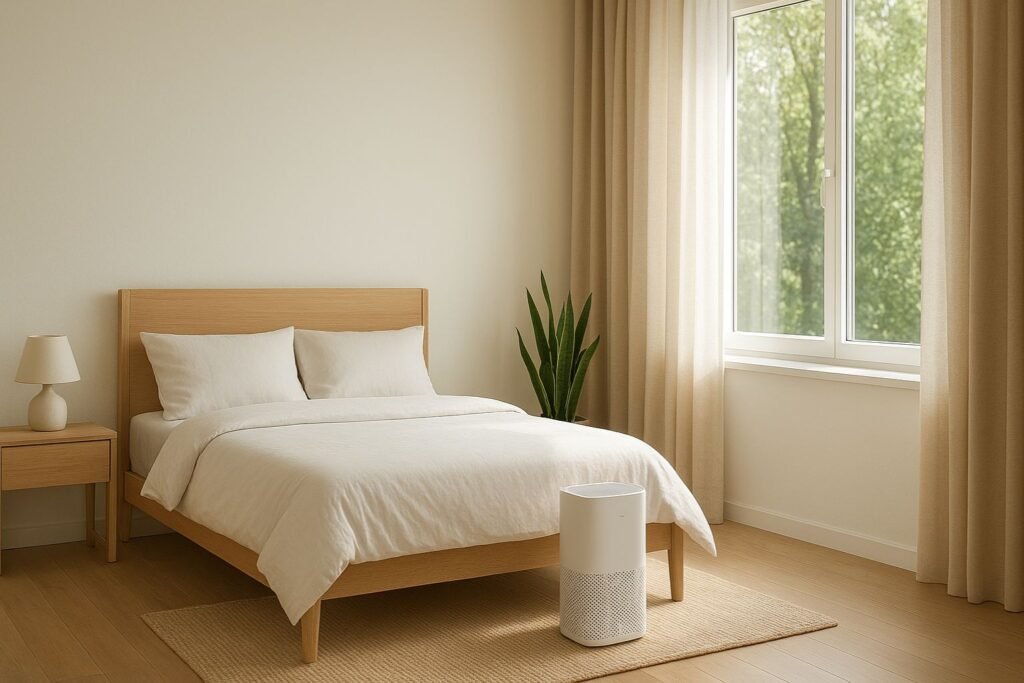
Indoor air can be up to five times more polluted than outdoor air. Improving air quality is one of the fastest ways to make your home healthier.
Best Ways to Improve Indoor Air Quality:
- Open windows daily for at least 10–20 minutes
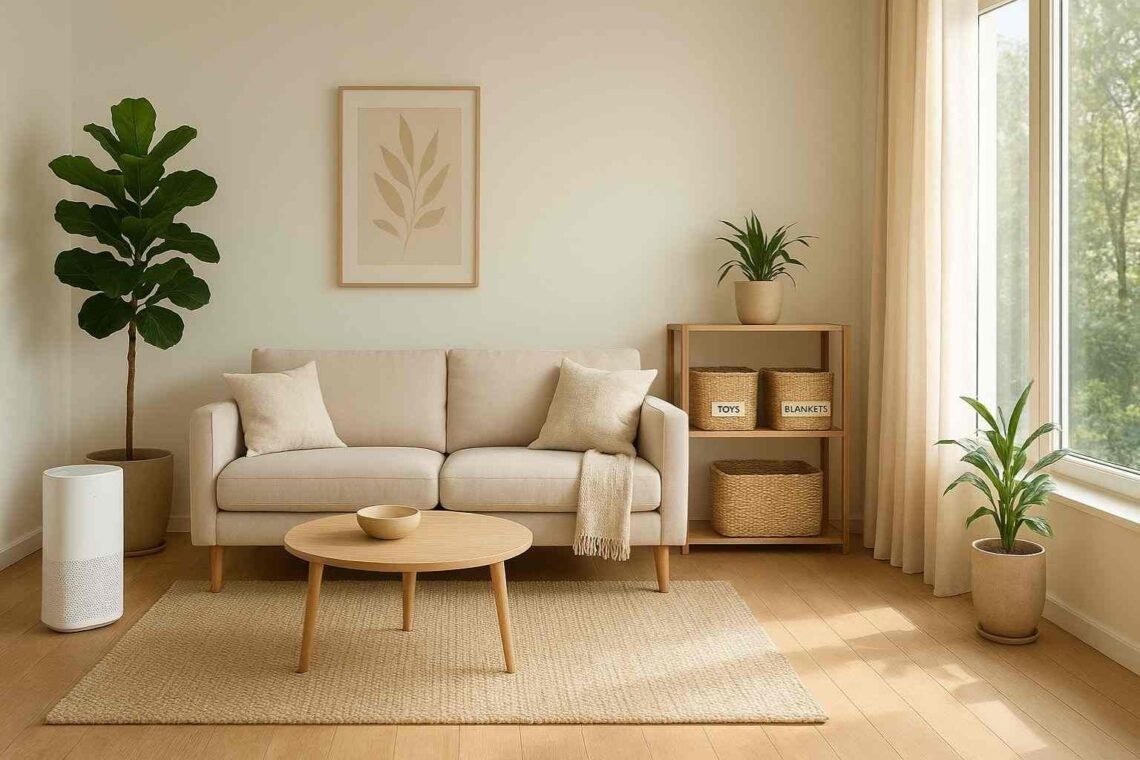
- Use a HEPA air purifier in high-traffic or sleep areas
- Keep indoor plants like snake plant or peace lily
- Avoid burning synthetic candles and incense
- Clean HVAC filters every 30–90 days
Bonus Tip:
Avoid aerosol sprays — including room fresheners — as they often contain VOCs (Volatile Organic Compounds) that affect respiratory health.
2. Switch to Natural and Low-Toxic Cleaning Supplies
Many regular cleaning products contain chemicals that irritate the skin, lungs, and long-term health. Natural cleaning substitutes now perform just as well.
Recommended natural alternatives:
- White vinegar + water for glass, floors, and surfaces
- Castile soap for general cleaning
- Baking soda for deodorizing and scrubbing
- Microfiber cloths to reduce chemical use altogether
3. Create Organized Storage Zones
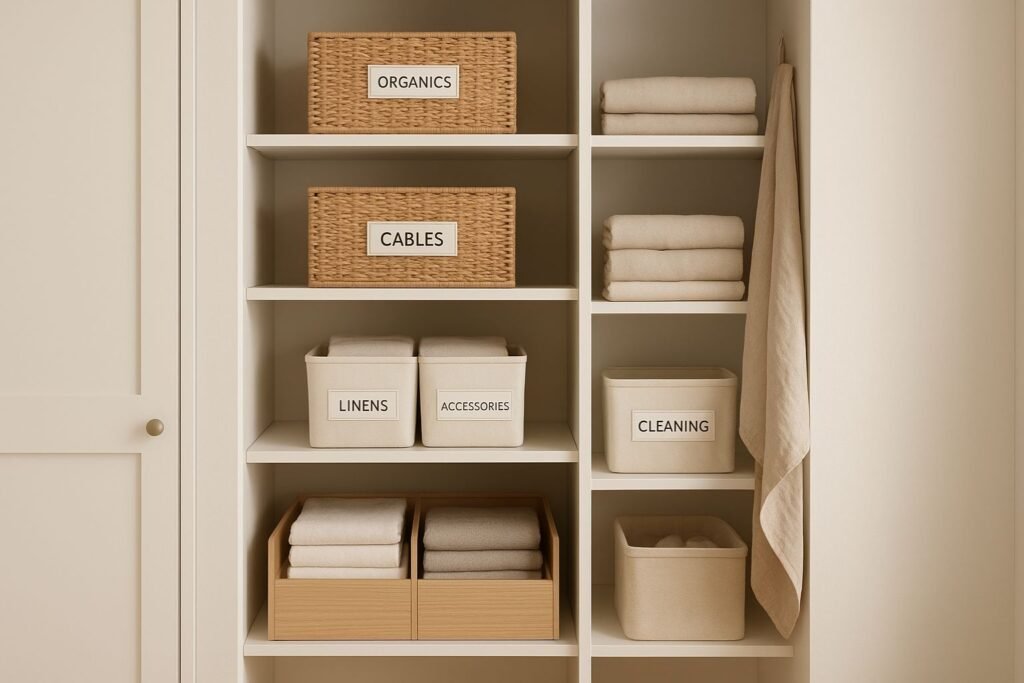
Clutter is one of the biggest causes of mental overload. The secret is not having less; it’s having a designated place for everything.
Practical storage strategies:
- Use labeled bins and baskets
- Add vertical shelves to underused walls
- Install drawer dividers for kitchens, desks, and bedrooms
- Store items according to how often you use them
Example layout rule:
Daily items at eye level, weekly items below, seasonal or rarely used items higher up.
4. Maintain a Regular Home Cleaning Routine
Cleaning should be structured, not overwhelming. Instead of a 4-hour weekend cleanup, break tasks into manageable short routines.
Sample quick cleaning schedule:
- Daily: Wipe surfaces, make bed, declutter
- Weekly: Floors, bathroom deep clean, laundry
- Monthly: Windows, furniture care, appliances
- Seasonal: Wardrobe reset, deep dusting, filters
5. Upgrade Your Lighting for Health and Style
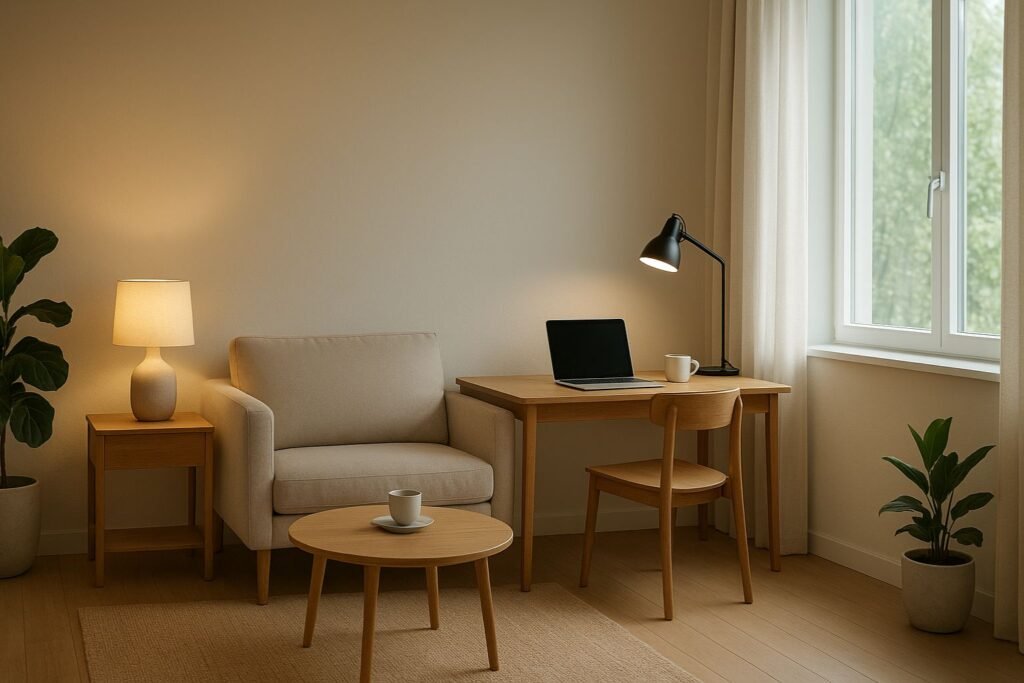
Lighting affects mood, sleep, productivity, and overall home experience.
Best lighting setup:
- Warm light (2700K–3000K) in bedrooms and living areas
- Cool white light (4000K+) for kitchens, offices, and workspaces
- Smart dimmable bulbs for flexibility
Whenever possible, maximize natural light — it boosts serotonin and reduces fatigue.
6. Improve Water Quality
Many homes have hard water, chlorine, or micro-residue that affects skin, appliances, and long-term health.
Ways to improve water:
- Install a water filter pitcher or under-sink filter
- Use a shower filter to protect hair and skin
- Maintain plumbing systems regularly
7. Declutter Digital and Physical Distractions
A cleaner environment equals a clearer mind.
Decluttering checklist:
- Remove expired or unused products
- Clear unnecessary phone apps and notifications
- Keep counters mostly clear
- Donate instead of storing unused items
Aim for “functional minimalism” — not empty rooms, but intentional spaces.
8. Maintain a Regular Repair and Maintenance Schedule
A home runs smoothly when issues are fixed early.
Maintenance reminders:
- Test smoke alarms every 6 months
- Clean dryer lint vents monthly
- Check for leaks under sinks quarterly
- Service HVAC systems twice a year
A small habit now prevents expensive repairs later.
9. Use Smart Home Tools Wisely
Smart home devices help save energy, automate tasks, and improve home management.
Useful examples:
- Smart thermostat
- Water leak sensor
- Smart lock
- Motion lights
- Robot vacuum
You don’t need everything — choose devices that solve actual problems.
10. Create Spaces That Support Daily Routines
Your home should make your life easier, not harder.
Examples:
- A coffee station saves morning time
- A drop zone near the door prevents clutter
- A mini cleaning caddy reduces excuses
- A reading or relaxation corner encourages downtime
Function controls design — not the other way around.
Final Thoughts
A healthier and more functional home doesn’t require a massive renovation — just thoughtful decisions, intentional setup, and consistent maintenance. When your surroundings support your lifestyle, everything else becomes easier.
Start small, stay consistent, and upgrade one room or habit at a time. Your future self will thank you.
FAQs
1. How do I start improving my home if I feel overwhelmed?
Start with one area, such as your entryway, kitchen counter, or bedroom nightstand. Small wins build momentum.
2. What’s the best first investment for a healthier home?
A HEPA air purifier or high-quality water filter offers the fastest health improvement.
3. How often should I deep clean my home?
Most homes benefit from deep cleaning every 30–60 days.
4. Is a smart home necessary?
Not mandatory, but smart devices can improve safety, convenience, and energy efficiency.
5. How do I keep my home organized long-term?
Give everything a designated space and follow a simple cleanup routine daily.