
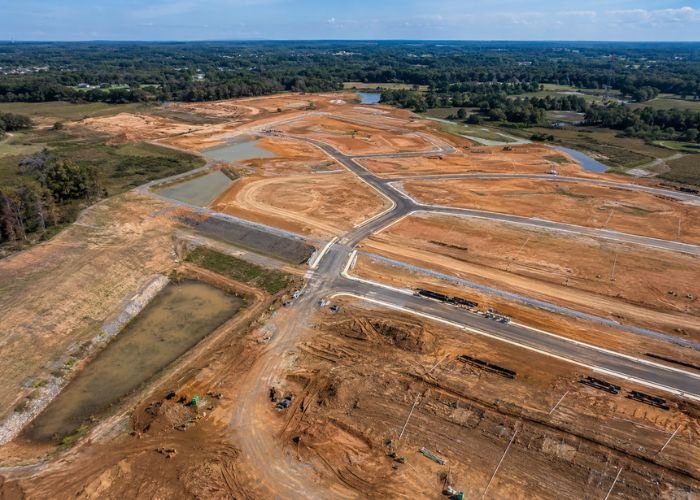
Investing in raw acreage holds immense potential, but converting an untouched parcel of earth into a thriving residential community or a custom estate requires moving through a highly regulated, multi-phased engineering pipeline. Transforming undeveloped land isn’t as simple as driving excavators onto a plot and laying down foundations. It demands meticulous design, strict environmental adherence, and strategic infrastructure planning.
To bypass expensive civil setbacks, zone violations, or structural utility failures early in your timeline, partnering with a specialized engineering firm is essential. Securing comprehensive land development services in San Antonio turns raw land into a highly valuable, builder-ready residential asset while ensuring full compliance with local municipality rules.
1. Feasibility Study and Site Selection
The development lifecycle starts long before any earth is moved. A thorough feasibility and due diligence assessment uncovers hidden physical or legal boundaries that could completely stall a residential project.
- Zoning and Land Use Review: Engineers verify that the property’s municipal zoning aligns with your specific density goals, whether you are planning a high-density subdivision or single-family estates.
- Environmental and Geotechnical Assessments: Phase I environmental site assessments (ESA) detect potential soil or groundwater contamination. Concurrently, core soil boring tests analyze the structural load-bearing capacity of the earth to guide future foundation design.
2. Master Planning and Civil Engineering Design
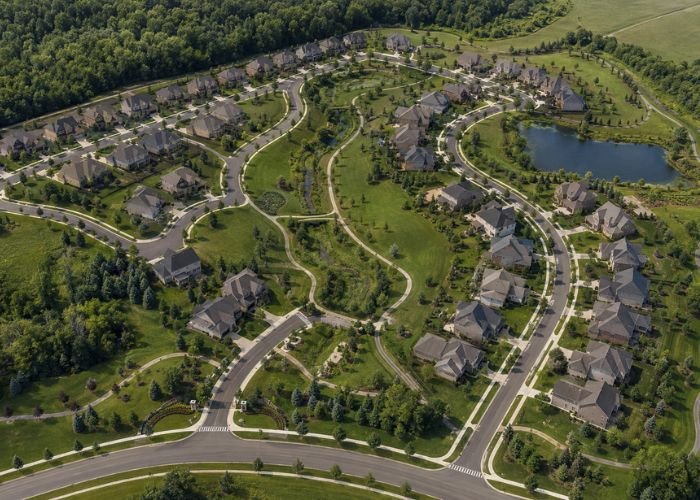
Once a site is cleared from a regulatory standpoint, engineers draft a detailed master plan. This layout balances maximum structural yield with the natural topography of the land.
During this stage, civil designers map out precise grading plans to manage stormwater runoff, preventing localized pooling or erosion. They design the geometric layouts for internal roads, pedestrian sidewalks, and green spaces, creating a safe, intuitive traffic flow that enhances the neighborhood’s long-term market appeal.
3. Infrastructure and Utility Integration
A piece of raw land cannot support residential life without reliable connections to modern municipal infrastructure. This step involves massive logistical coordination to extend vital lifelines to every planned lot.
| Utility Infrastructure | Core Engineering Focus Area | Long-Term Residential Value |
|---|---|---|
| Hydraulic Systems | Connecting main water trunks and optimizing gravity-fed sanitary sewer lines. | Guarantees clean, high-pressure water and sanitary waste management for homes. |
| Stormwater Retention | Designing specialized retention ponds, culverts, and curbs to route heavy rains. | Shields the finished neighborhood and adjacent properties from flood damage. |
| Power & Telecom | Coordinating underground electrical lines, natural gas pipes, and fiber-optic grids. | Restores clean streetscapes and provides fast, high-speed digital connectivity. |
4. Final Platting and Construction Execution
With complete engineering blueprints in hand, developers submit a final subdivision plat to the local county or city commissioners for approval. This legal document officially records the precise boundaries of individual lots, public streets, and utility easements.
Once approved, physical site work can begin. Heavy machinery crews perform clearing, grubbing, and mass grading to sculpt the terrain. Next, utility lines are buried, roads are paved, and the individual building pads are finalized, handing over an optimized, high-performance canvas to homebuilders.
Conclusion: Establishing a Resilient Asset
Converting a raw plot of land into a fully functional residential space requires navigating a dense web of civil engineering decisions, environmental factors, and strict regulatory approvals. Skimping on early site analysis or using uncoordinated planning paths introduces structural friction and costly delays. By relying on experienced, forward-focused land development specialists, you mitigate investment risks, optimize your property’s value, and build an enduring community structure from the ground up.


