
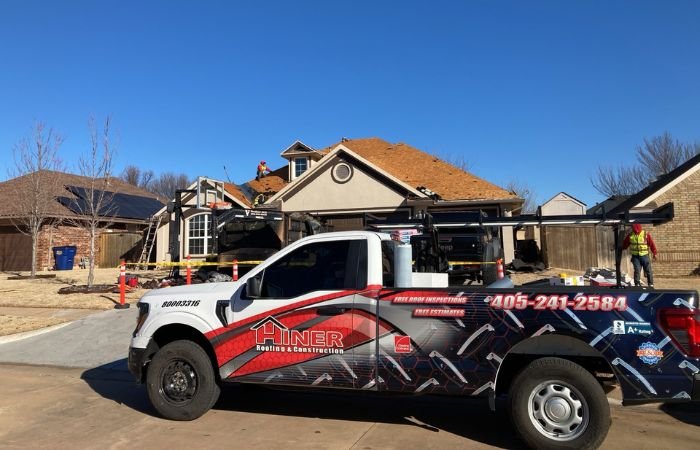
Most homeowners don’t think about their roof until something goes wrong – a stain on the ceiling, a shingle blown off after a storm, or water pooling in the attic. By then, what could’ve been a cheap fix has usually turned into a real repair bill. That’s exactly why a roof inspection is worth doing: it’s quick, affordable, and catches small problems while they’re still small. Still, many homeowners skip it, unsure when to schedule one or assuming the roof’s fine since nothing’s leaking yet. Reaching out to local roofing contractors can put that uncertainty to rest. This article covers what an inspection involves, when to get one, and what to do with the results.
Why Roof Inspections Matter More Than Homeowners Realize
Roofs rarely fail overnight. They wear down gradually, and a lot of that wear happens in spots you’d never notice from the ground. A flashing seal that’s starting to crack. Shingles that have lifted just slightly at the edges. A damp patch in the attic insulation that nobody’s checked in months.
By the time you actually see a leak inside the house, there’s a good chance the damage has been sitting there for a while already. That’s the whole point of getting things checked regularly – you catch the small stuff before it turns into the expensive stuff.
It’s a bit like putting off a dentist visit. Skipping it doesn’t feel like a big deal at first. Then a small issue turns into something a lot more painful and a lot more costly to fix.
How Often You Should Schedule a Roof Inspection
There isn’t one answer that works for every house, but here’s roughly how it breaks down:
- Once a year is a reasonable baseline, ideally in spring or fall
- After any big storm – hail, high wind, heavy snow, doesn’t matter which
- Before you buy or sell a house
- Once your roof starts approaching the end of its expected lifespan
If you’re somewhere with rough or unpredictable weather, Oklahoma being a good example, you probably want to check more often than that. Hail and strong wind show up here fairly regularly, and neither one is always obvious from a quick look outside.
What a Professional Roof Inspection Actually Covers
A good inspection is more than someone glancing up at your roof from the driveway. Here’s what’s usually covered.
Checking the Condition of Your Shingles or Roofing Material
Shingles, tile, metal, whatever you’ve got. The inspector’s checking for cracking, curling edges, missing pieces, or granules wearing off – that last one especially, since it usually means the shingles are aging faster than they should.
Inspecting Flashing and Seals Around Vents and Chimneys
Flashing is the metal around chimneys, vents, and skylights that’s supposed to keep water out. When it corrodes or loosens, it’s one of the most common places a leak actually starts, and you’d never know just by looking at the shingles.
Evaluating Gutters and Roof Drainage
If gutters are clogged or damaged, water can back up right under the edge of the roof. The inspector checks that drainage is working the way it’s supposed to and looks for water damage near the roofline.
Checking the Attic for Hidden Leaks and Moisture
From inside, they’re looking for stains, mold, or even daylight coming through the roof deck. These are early signs, and honestly they’re the kind of thing most homeowners never think to check on their own.
Assessing the Roof’s Structural Condition
Sagging spots, soft areas underfoot, an uneven roofline – these can point to something more serious going on structurally, and it’s worth catching before it gets worse.
Warning Signs of Roof Damage Homeowners Often Overlook
Even people who pay attention to their house overlook a few common warning signs:
- Granules piling up in the gutters, which usually means the shingles are breaking down
- Small gaps around vent pipes – an easy way for water to sneak in
- Shingle edges that curl or lift slightly, often the first hint of wind damage
- Dark streaks across the roof, which is usually algae or trapped moisture, not just dirt
- A slightly higher energy bill than usual, which can point to poor attic ventilation
None of these look like a big deal by themselves. But when a few show up together, it’s usually a sign the roof needs a closer look sooner rather than later.
Why Storm Damage Is Often Worse Than It Looks
After a storm, most people check for the obvious stuff – a missing shingle, a branch that came down. But wind and hail can cause damage that’s a lot harder to spot, like bruised shingles or seals that loosen up without leaking right away.
This is part of why insurance companies often push for a professional inspection after severe weather. Someone trained to spot this stuff can find storm damage before it becomes a bigger problem, and having it documented properly makes filing a claim a lot smoother if you need to.
DIY Roof Checks vs. Hiring a Professional Inspector
There’s nothing wrong with doing a basic look from the ground with a pair of binoculars – that’s a fine first step. Climbing up there yourself is a different story, though. It’s genuinely risky, and it’s easy to miss damage that just isn’t visible unless you’re up close.
A professional brings a few things you don’t get on your own:
- Training to spot damage in its early stages
- The right safety gear
- Familiarity with local building codes
- Experience dealing with insurance paperwork
- A sense of how Oklahoma weather specifically wears down roofing materials
For anything more than a quick glance, it’s usually worth calling a licensed roofing company instead of grabbing a ladder yourself.
How to Choose the Right Roofing Contractor for an Inspection

Not every roofing company operates the same way, and this is one area where it really pays to work with local roofing contractors who actually understand the weather patterns in your area rather than a national chain that treats every roof the same. When you’re choosing one for an inspection, a few things are worth checking first:
- Proper licensing and insurance in your state
- Actual local experience, since weather patterns vary a lot by region
- Written estimates that are clear, not vague
- Real reviews from real customers, not just a nice-looking website
- A willingness to walk you through what they found instead of just pushing a sale
A contractor you can trust will explain the issues, show you photos if they can, and lay out your options without pressuring you into anything. If a company can’t explain what’s actually wrong in plain terms, take that as a warning sign.
Homeowners around the Oklahoma City area looking for a routine checkup, or just a second opinion, can look into Hiner Roofing’s inspection services to get a sense of what a full inspection typically covers.
What to Do With Your Roof Inspection Results
Once you’ve got your results, don’t just let the report sit in your inbox. If the inspector found problems, ask them to spell out:
- What needs fixing right away versus what can wait
- Roughly what repairs will cost
- Whether insurance is likely to cover any of it
- A realistic timeframe for getting it done
Even if nothing turns up, hang onto the report anyway. It comes in handy if you ever sell the house or need to compare conditions after a future storm.
Protecting Your Home Starts With Regular Roof Inspections
Your roof is doing a lot of work you probably don’t think about most days. It’s easy to forget it exists until something goes wrong. Getting it checked regularly, paying attention to early warning signs, and calling in a professional when something looks off can add years to its life and save you from a much bigger bill down the road.
If it’s been a while since your last checkup, or you’ve just been through a rough storm, now’s probably a good time to get it looked at. A short inspection today beats a much bigger headache later.
Frequently Asked Questions
1. How long does a roof inspection usually take?
Usually somewhere between 30 minutes and an hour, depending on how big and complicated the roof is.
2. Is a roof inspection free?
Sometimes, especially after a storm. Other companies charge a small fee for a routine one, so it’s worth asking before you book it.
3. How do I know if storm damage is covered by insurance?
That depends on your policy, but having a documented inspection from a professional makes it a lot easier to back up a claim if there’s damage.
4. What’s the average lifespan of a residential roof?
It depends on the material, but asphalt shingle roofs typically hold up for 20 to 30 years if they’re maintained and repaired when needed.


