
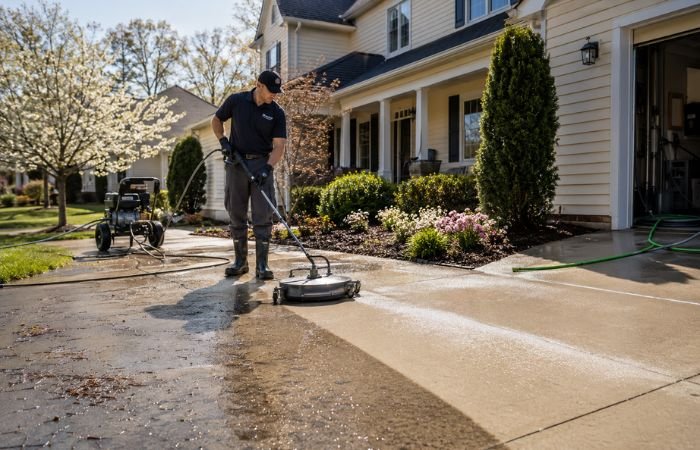
Most homeowners already have a seasonal checklist: gutters, lawn care, HVAC servicing, roof inspections. One task that regularly gets left off, though, is pressure washing.
Instead of treating it as an occasional cosmetic fix, more homeowners are now building it into their yearly routine. Regular exterior cleaning removes dirt, algae, and pollen while it’s still manageable, rather than letting it build up into a bigger project later.
Timing Matters More Than Frequency
Pressure washing doesn’t need to happen every month. It works best when timed around seasonal changes instead.
- Spring is popular because winter often leaves behind dirt, moisture stains, and organic debris
- Summer is a good window for outdoor entertaining spaces before peak guest season
- Autumn is ideal for clearing leaves and organic buildup before colder weather sets in
Lining up exterior cleaning with these natural shifts reduces how much heavy-duty cleaning piles up later in the year.
A Simple Seasonal Maintenance Calendar
Rather than reacting once surfaces look visibly dirty, it helps to plan cleaning by season:
- Spring: Walkways, patios, siding, and fences
- Summer: Decks, pool surrounds, and outdoor furniture
- Autumn: Driveways, retaining walls, and hardscapes
- Winter: Light spot cleaning where weather allows
Spreading tasks out this way avoids the trap of one overwhelming weekend project.
Not All Surfaces Age the Same Way
Every outdoor material collects grime differently, and that affects how (and how often) it should be cleaned.
- Concrete driveways tend to accumulate tire marks and organic staining
- Wooden decks collect pollen and mildew
- Vinyl siding can develop algae, especially in shaded spots
- Brick and stone often trap dirt inside their textured surfaces
Matching the pressure level and nozzle to the material matters just as much as the schedule. Too much pressure on the wrong surface can cause more damage than the dirt itself.
Prepping Surfaces Before Other Projects
One often-overlooked use of pressure washing is preparing surfaces before other home improvement work.
Many homeowners schedule a cleaning before:
- Painting a fence
- Staining a deck
- Repairing concrete
- Installing new landscaping
- Sealing a driveway
Starting with a clean surface means paint, stain, or sealant goes on properly, instead of trapping dirt and debris underneath the new finish.
Keeping Outdoor Living Spaces Guest-Ready
Patios, pergolas, and outdoor kitchens have become real extensions of the home, not just backyard afterthoughts. Rather than scrambling before guests arrive, many homeowners schedule a cleaning ahead of peak outdoor season instead.
Pavers, patios, and entertaining areas are also easier to maintain going forward once they’ve had a proper initial clean.
Why Local Weather Changes the Equation
Climate has a bigger impact on exterior grime than most people expect. Humid areas tend to see faster algae and mildew growth, windy regions collect more dust and pollen, and shaded spots stay damp (and therefore dirtier) longer.
In Suffolk, VA, seasonal humidity and shifting weather patterns make regular exterior cleaning a genuinely practical part of home upkeep, rather than just a cosmetic nicety.
More Pressure Isn’t Always Better
A common misconception is that stronger pressure always cleans better. In reality, professionals adjust pressure based on the surface:
- Softer materials often need lower pressure or dedicated soft-washing methods
- Durable materials like concrete can typically handle higher pressure
Matching the method to the material produces more consistent results with far less wear and tear.
Pairing It With Other Outdoor Tasks
Pressure washing fits naturally into a broader outdoor maintenance routine. Many homeowners group it with:
- Gutter cleaning
- Window cleaning
- Landscape trimming
- Fence inspections
- Exterior lighting checks
Bundling these tasks together cuts down on repeated setup and cleanup, and makes the whole process feel more like routine upkeep than a big undertaking.
When to Call in a Professional
DIY pressure washing works fine for light, routine touch-ups, but a professional service still has real advantages: correctly calibrated pressure for each surface, the right cleaning solutions for algae and mildew, and the experience to avoid damaging siding, wood, or aging concrete.
For a full seasonal reset or before major projects like sealing or staining, scheduling professional pressure washing services is typically worth the cost, especially for larger properties or surfaces that haven’t been cleaned in a while.
The Bottom Line
Exterior maintenance is shifting from reactive cleaning to long-term planning. Working pressure washing into a yearly schedule, rather than waiting until surfaces look neglected, keeps a property looking cared for and makes every other outdoor project easier to tackle.
Whether you’re prepping for a season, protecting outdoor living spaces, or getting ready for a bigger renovation, regular exterior cleaning is a small habit that pays off in a big way.


