
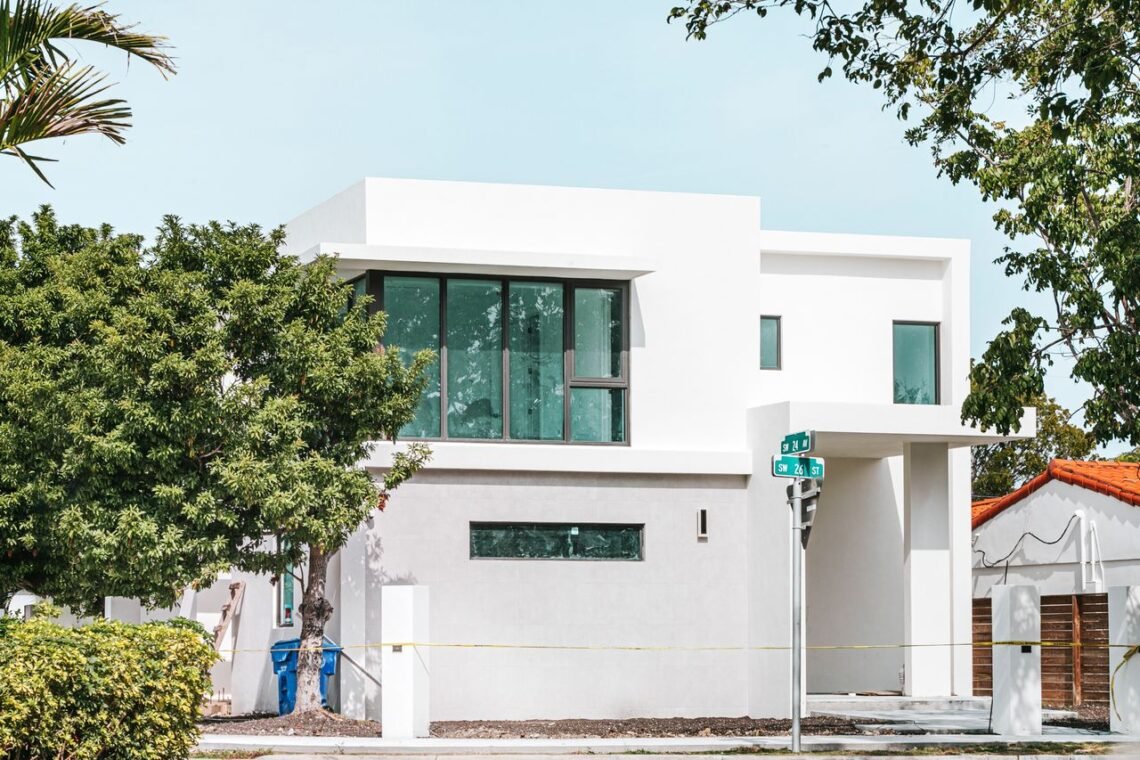
For homeowners in Florida and other hurricane-prone coastal areas, windows do much more than frame the view. They are part of the home’s exterior protection when strong winds, windborne debris, and heavy rain arrive at the same time. Choosing the right windows can therefore influence storm preparedness, energy efficiency, everyday comfort, and long-term maintenance.
That does not mean turning your home into a fortress. It means understanding where conventional windows may be vulnerable and choosing products designed and installed for the conditions your property is likely to face.
Strengthen One of Your Home’s Vulnerable Areas
When people think about hurricane damage, roofs and exterior walls often receive most of the attention. Windows deserve consideration as well.
During a severe storm, high winds can send loose objects and debris toward a home at considerable speed. If conventional glass breaks, the opening can allow wind and rain into the property and expose the interior to additional damage.
For homeowners considering an upgrade, hurricane proof windows—more accurately described as hurricane impact or impact-resistant windows—are designed to provide greater resistance to high winds and windborne debris than conventional residential windows. Their reinforced construction can make windows a stronger part of a home’s overall storm-protection strategy.
The value of that protection extends beyond the storm itself. Reducing the likelihood of a failed opening can also help limit the potential for water intrusion and damage to belongings and interior finishes.
Understand What Makes Impact Windows Different
Impact-resistant windows may look similar to conventional windows, but their construction and testing distinguish them.
These systems typically use impact-resistant glazing designed to remain together when damaged rather than breaking apart like ordinary glass. They are also paired with durable frames and components engineered to meet specific performance standards.
Testing and product documentation may include information about impact resistance and design pressure. These ratings help determine whether a particular window system is appropriate for the wind conditions and building requirements in a particular area.
That distinction is important. A window marketed as durable or energy-efficient is not automatically designed for hurricane conditions. Homeowners should review applicable product approvals, ratings, and local building requirements instead of relying on general descriptions of strength.
Consider the Everyday Benefits Too
Storm protection may be the primary reason homeowners consider impact-resistant windows, but the benefits do not necessarily stop when hurricane season ends.
Depending on the specific window system, upgrading can contribute to better insulation and reduced air leakage. Modern impact-resistant products may also incorporate energy-efficient glass technologies designed to reduce heat transfer and solar heat gain.
That can be particularly useful in warm climates, where air-conditioning systems work hard for much of the year.
Impact-resistant windows may also help reduce the amount of outdoor noise entering a home. For properties near busy streets or active neighborhoods, that can make interior spaces more comfortable throughout the year.
Some products can also reduce ultraviolet exposure, which may help limit fading on flooring, furniture, and other interior materials.
Homeowners should ask their insurance provider whether qualifying storm-protection improvements affect their policy or available discounts. Eligibility and potential savings vary, so insurance benefits should be confirmed directly rather than assumed when calculating the value of an upgrade.
Balance Storm Protection With Home Design
Choosing stronger windows does not mean giving up curb appeal. Modern impact-resistant windows are available in different frame materials, configurations, finishes, grid patterns, sizes, and styles. That gives homeowners greater flexibility to select windows that complement the architecture of the property while meeting practical performance needs.
The right choice will depend partly on the home itself. A contemporary property may benefit from simple frames and clean sightlines, while a traditional home may call for different window proportions or grid patterns.
Frame material matters as well. Aluminum and vinyl are common options for impact-resistant windows, and each comes with considerations involving appearance, maintenance, insulation, durability, and cost.
Instead of treating storm protection and design as competing priorities, look for a solution that addresses both. A well-selected window should support the home’s appearance while performing the practical job for which it was installed.
Make Professional Installation a Priority
Even a high-quality impact-resistant window depends on correct installation. Window performance involves more than placing new glass into an opening. Proper measurements, anchoring, sealing, flashing, and attention to the surrounding structure can all influence how the finished system performs.
This is especially important in hurricane-prone regions, where installations may need to satisfy local permitting and building-code requirements.
Before hiring a contractor, ask whether the company regularly installs impact-resistant products and understands the requirements that apply in your area. Contractors should also be able to explain product specifications and the installation process clearly.
The condition of the existing openings deserves attention too. Rot, deterioration, or structural problems around a window may need to be addressed before a replacement is installed.
Correct installation supports both storm resistance and everyday performance. Poor sealing or improper installation can contribute to drafts, leaks, and other problems regardless of how well the window itself was manufactured.
Decide Whether the Investment Fits Your Home
Impact-resistant windows represent a significant home improvement, so the decision should be based on your property’s circumstances rather than a general assumption that every home needs the same solution.
Start by considering your location and exposure. Homes in hurricane-prone coastal areas may face very different risks from properties farther inland. Local building requirements and wind zones can also influence which products are appropriate.
Next, evaluate your existing windows. Older units that are difficult to operate, inefficient, damaged, or experiencing seal problems may already be candidates for replacement. In that situation, upgrading to an impact-resistant system may address several concerns at once.
Long-term ownership plans matter too. If you expect to remain in the property for years, benefits such as storm protection, improved efficiency, noise reduction, and reduced dependence on temporary storm preparations may carry greater value.
Compare those advantages with the upfront cost, maintenance expectations, warranty coverage, and condition of your current windows before deciding.
Compare the Details Before You Buy
Window replacement is a major investment, so compare more than prices. Ask for clear information about product approvals, impact ratings, design-pressure ratings, warranties, frame materials, glass options, and the full installation scope. The proposed windows should be appropriate for your home’s location, opening sizes, and applicable building requirements.
You should also understand what is included in the installation estimate. Permits, removal of existing windows, disposal, repairs to damaged openings, finishing work, and cleanup can all affect the overall project.
Consider everyday usability as well. Window style can influence ventilation, cleaning, natural light, and emergency egress. A strong window still needs to function effectively as part of your home.
Finally, consider appearance. Windows are a prominent architectural feature that you may live with for decades. Performance should lead the decision, but choosing a style that complements the property can make the investment more satisfying over the long term.
Build a More Storm-Ready Home
Preparing a home for severe weather is rarely about a single upgrade. Roof condition, doors, drainage, landscaping, emergency supplies, and windows all contribute to overall resilience.
Impact-resistant windows can be an important part of that strategy, particularly for homeowners in hurricane-prone regions. When properly selected and installed, they can strengthen vulnerable openings while potentially providing additional everyday benefits such as energy efficiency, noise reduction, and greater comfort.
The key is to choose based on verified performance rather than marketing language. Review product ratings, understand local requirements, evaluate the condition of your home, and work with an experienced installer who can explain how the proposed system fits your property.
Storm preparation is most effective when it happens before severe weather appears in the forecast. By making thoughtful improvements in advance, you can create a home that is better prepared for difficult conditions without sacrificing comfort, appearance, or everyday functionality.


