
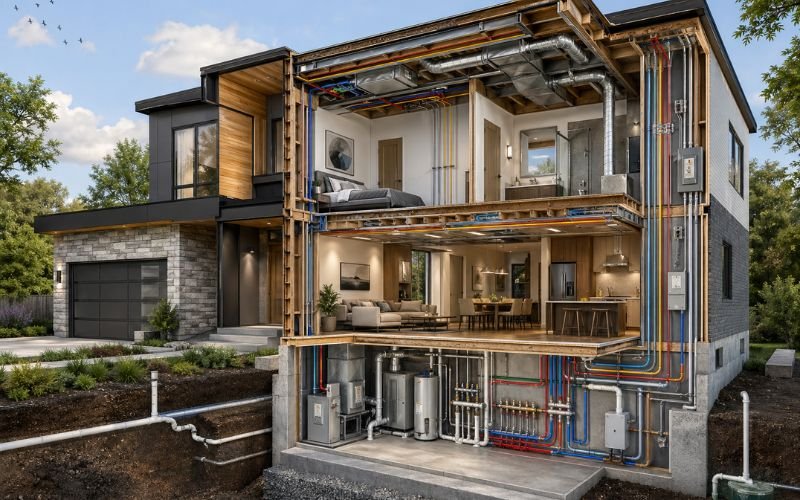
When you’re planning a home—whether it’s a new build, a major renovation, or a high-performance upgrade—design is only half the story. The other half is making sure everything actually works: the structure is safe, the air feels comfortable, energy bills stay low, and systems don’t fail down the line.
That’s where an architectural engineer comes in.
This guide explains exactly what architectural engineers do for residential projects, how they add value to your home, what they cost in the U.S., and when you should hire one.
What Does an Architectural Engineer Do for Residential Projects? (Quick Answer)
An architectural engineer designs and integrates the critical systems inside your home—structure, HVAC, electrical, and plumbing—to ensure it’s safe, energy-efficient, and built to code. They work alongside architects and contractors to turn home designs into functional, long-lasting living spaces.
Why Architectural Engineers Matter in Home Design
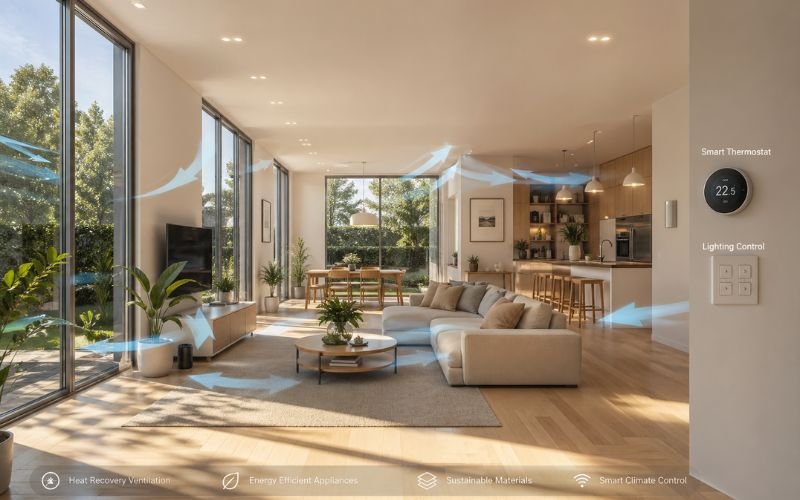
Most homeowners focus on layout, finishes, and aesthetics. But the real performance of a home depends on what’s behind the walls.
An architectural engineer ensures:
- Structural safety: Proper foundation and load-bearing design
- Indoor comfort: Balanced airflow, temperature control, and lighting
- Energy efficiency: Lower utility bills through smart system design
- Code compliance: Meeting U.S. building regulations and safety standards
Without proper engineering, even a beautiful home can suffer from poor ventilation, high energy costs, or structural issues over time.
Key Roles of an Architectural Engineer in a House Project
Architectural engineers are involved from planning to construction, making sure every system works together efficiently.
Structural Planning for Homes
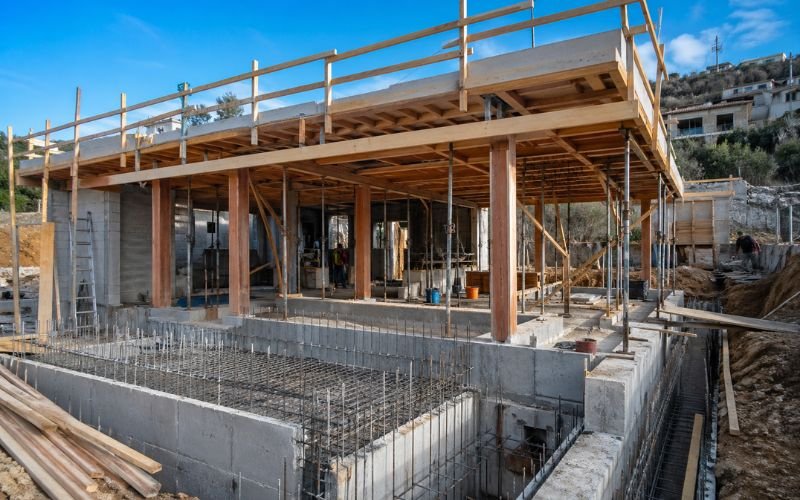
They design foundations, beams, and load-bearing walls to ensure your home can handle weight, weather, and long-term use.
Example:
In hurricane-prone states like Florida, engineers design reinforced structures that can withstand high wind loads.
HVAC & Indoor Comfort Systems
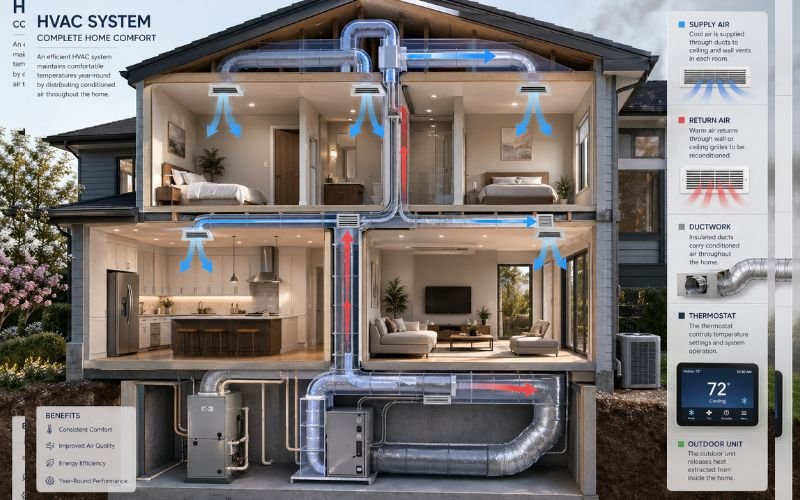
They plan heating, cooling, and ventilation systems to maintain indoor comfort year-round.
Example:
A poorly designed HVAC system can lead to uneven temperatures. An optimized system can reduce energy bills by 20–30%.
Electrical & Plumbing Design (MEP Systems)
They ensure safe wiring layouts, proper lighting distribution, and efficient water systems.
- Electrical: Safe circuits, smart lighting
- Plumbing: Water pressure, drainage, leak prevention
Energy Efficiency & Green Homes
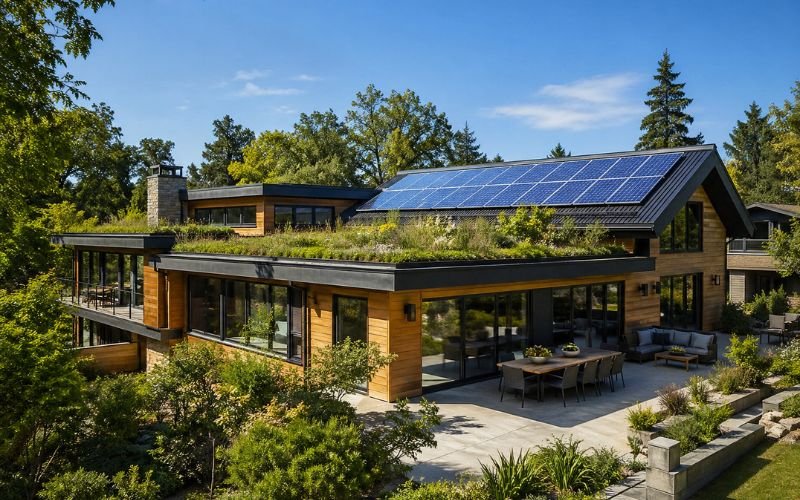
Architectural engineers help reduce long-term costs by designing energy-efficient homes.
- Insulation optimization
- Passive solar design
- Net-zero energy readiness
- Solar panel integration
They often follow standards from organizations like ASHRAE to ensure efficiency.
Construction Coordination
They work with contractors and builders to ensure the design is executed correctly and efficiently.
Example:
Catching a structural misalignment early can save thousands in construction rework.
Real-Life Examples of Architectural Engineering in Homes
1. Fixing Poor Ventilation
A homeowner experiences humidity and mold issues. An architectural engineer redesigns airflow and duct placement, improving air quality and comfort.
2. Reducing Energy Bills
By upgrading insulation and optimizing HVAC layout, a home’s heating and cooling costs drop significantly.
3. Preventing Structural Issues
In a multi-story home, improper load distribution could lead to cracks. Engineers redesign support systems to prevent long-term damage.
Do You Need an Architectural Engineer for Your Home?
Not every project requires one—but many do.
When You DO Need One
- Building a custom home
- Multi-story house construction
- Structural renovations (removing walls, extensions)
- Energy-efficient or smart homes
When You May NOT Need One
- Minor interior changes
- Cosmetic upgrades like painting or decor
Cost of Hiring an Architectural Engineer in the US (2026)

Hiring an architectural engineer is an investment—but one that often pays off through long-term savings.
Average Costs
- Hourly rate: $100 – $250
- Project-based: $2,000 – $15,000+
What Affects the Cost?
- Size and complexity of the home
- Location (California and New York tend to be higher)
- Scope of services (design only vs full project involvement)
Cost vs Value
While upfront costs may seem high, proper engineering can:
- Prevent expensive structural repairs
- Reduce energy bills
- Increase property value
Architectural Engineer vs Architect (For Homeowners)
Many homeowners are unsure who to hire.
Architect
- Focus: Design, layout, aesthetics
- Best for: Planning how your home looks and feels
Architectural Engineer
- Focus: Function, systems, performance
- Best for: Making sure your home works efficiently and safely
Best approach:
For custom homes or major projects, you typically need both professionals working together.
How Architectural Engineers Improve Energy Efficiency in Homes
Energy efficiency is one of the biggest advantages of hiring an architectural engineer.
They optimize:
- Insulation and building envelope design
- HVAC efficiency and airflow
- Natural lighting and ventilation
- Energy modeling for performance prediction
This can significantly reduce monthly utility costs while improving comfort.
Tools & Technology Used in Modern Home Design
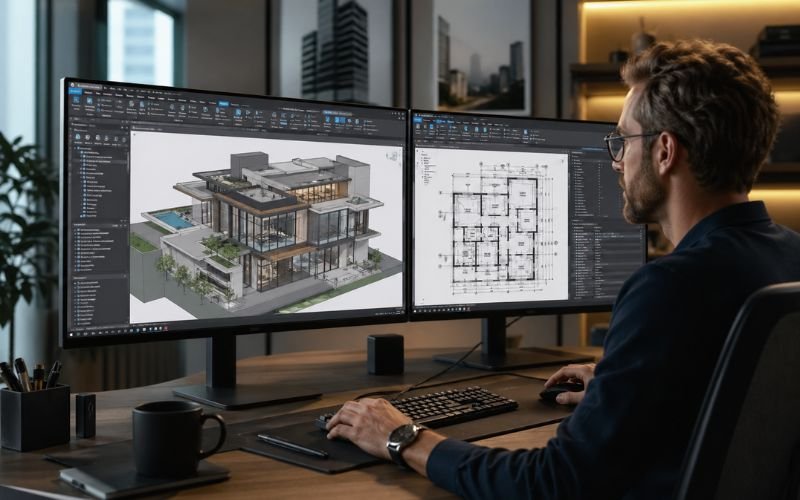
Architectural engineers use advanced tools to improve accuracy and efficiency.
- BIM (Building Information Modeling): 3D planning and system coordination
- Energy simulation software: Predicts energy use before construction
- Smart home integration tools: For automation and efficiency
These tools help avoid costly mistakes and ensure better performance.
Hiring an Architectural Engineer in the USA
Choosing the right professional is key to your project’s success.
Where to Find One
- Local engineering firms
- Referrals from architects or contractors
- Online directories
What to Look For
- Proper licensing (PE certification)
- Experience in residential projects
- Knowledge of energy-efficient design
Licensing standards are regulated by organizations like the National Council of Examiners for Engineering and Surveying.
Questions to Ask Before Hiring
- Have you worked on similar home projects?
- How do you approach energy efficiency?
- What is your pricing structure?
- Will you coordinate with my contractor?
Common Mistakes Homeowners Make
Avoid these costly errors:
- Skipping engineering consultation to save money
- Ignoring energy efficiency during planning
- Hiring based only on the lowest price
- Overlooking long-term maintenance costs
Pros and Cons for Homeowners
Pros
- Safer, structurally sound home
- Lower long-term costs
- Improved comfort and efficiency
Cons
- Higher upfront cost
- Longer planning phase
- Requires coordination with multiple professionals
Architectural Engineer Salary in the US (2026)
While not directly relevant to hiring, understanding salary trends helps gauge expertise value.
- Entry-level: $60,000 – $75,000
- Mid-level: $80,000 – $100,000
- Senior-level: $100,000 – $130,000+
According to the U.S. Bureau of Labor Statistics, demand for engineering roles in construction continues to grow steadily.
FAQs
Do I need an architectural engineer to build a house in the US?
Not always, but for custom homes or structural work, they are highly recommended.
How much does it cost to hire one?
Typically $100–$250 per hour or $2,000–$15,000 per project, depending on complexity.
Can an architect replace an architectural engineer?
No. Architects focus on design, while engineers handle structural and system performance.
Are architectural engineers required for permits?
In many cases, yes—especially for structural changes or complex builds.
How do they help reduce energy costs?
By optimizing insulation, HVAC systems, and overall building performance.
Conclusion
Architectural engineers play a crucial role in turning a house into a high-performing home. They ensure your space is not only beautiful but also safe, efficient, and built to last.
If you’re planning a new home or a major renovation, involving an architectural engineer early can save you thousands in future repairs and energy costs. In 2026, with rising energy demands and smarter building technologies, their expertise is more valuable than ever.