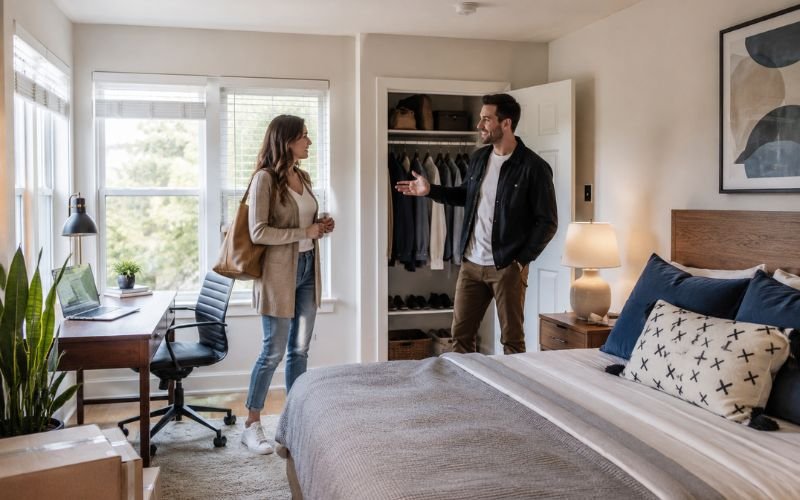
Renting a room can seem like a quick and affordable housing solution, especially in 2026 when rental prices across the United States continue to rise. But choosing the wrong place, the wrong roommates, or the wrong lease terms can quickly turn an exciting move into a stressful experience.
Many renters focus only on the monthly rent and location. Unfortunately, hidden fees, bad living conditions, unreliable roommates, parking issues, unclear lease agreements, and rental scams often appear after moving in. That is why asking the right questions before signing anything is one of the smartest things you can do.
Whether you are renting a room for the first time, relocating for work, moving to college, or simply looking for a more affordable housing option, preparation matters. The more information you gather beforehand, the fewer surprises you will face later.
This complete renter’s checklist covers the most important questions to ask before renting a room in 2026. From utilities and deposits to roommates and safety concerns, this guide will help you make a confident and informed decision.
What Questions Should You Ask Before Renting a Room?
Before renting a room, you should ask questions about rent, utilities, deposits, lease terms, roommates, safety, parking, guests, internet access, and move-out policies. These questions help you avoid hidden costs, rental scams, and uncomfortable living situations.
Some of the most important questions include:
- What is included in the rent?
- Are utilities included?
- Is the security deposit refundable?
- What are the house rules?
- Who are the roommates?
- How long is the lease?
- Are overnight guests allowed?
- Is parking available?
- How safe is the neighborhood?
- What is the move-out process?
Why Asking the Right Questions Matters Before Renting a Room
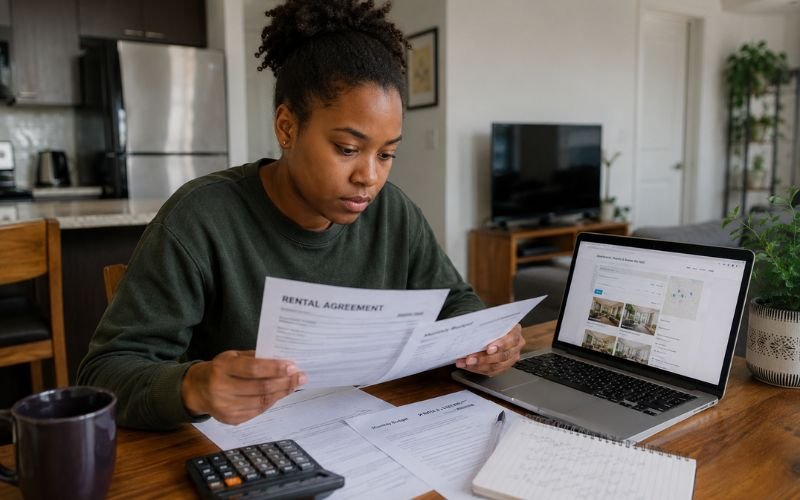
A room rental agreement is more than just a place to sleep. It affects your finances, privacy, safety, comfort, and daily routine.
Asking smart questions before moving in helps you:
- Avoid hidden fees and unexpected expenses
- Understand your legal responsibilities
- Prevent conflicts with roommates
- Spot rental scams before losing money
- Ensure the property is safe and clean
- Find a living situation that matches your lifestyle
Many renters regret rushing into a room rental without fully understanding the rules or living conditions. Spending extra time asking questions now can save months of stress later.
25 Smart Questions to Ask Before Renting a Room
1. What’s Included in the Monthly Rent?
Always ask exactly what the monthly rent covers. Some rentals include utilities and internet, while others charge separately.
Ask whether the rent includes:
- Water
- Electricity
- Gas
- Wi-Fi
- Trash collection
- Laundry access
- Parking
A room that appears cheap at first may become expensive once additional costs are added.
2. Are Utilities Split Equally?
If utilities are not included, ask how they are divided among roommates.
Important follow-up questions include:
- Are bills split evenly?
- Are costs based on room size?
- How much do utilities usually cost?
- Do bills increase during summer or winter?
Heating and air conditioning costs can significantly increase monthly expenses depending on the location.
3. Is the Security Deposit Refundable?
Security deposits are common in room rentals, but the refund rules vary.
Ask questions like:
- How much is the deposit?
- What can cause deductions?
- Is normal wear and tear accepted?
- When will the deposit be returned?
Always get deposit terms in writing to avoid disputes later.
4. Are There Any Hidden Fees?
Some rentals include additional fees that are not advertised upfront.
Possible hidden charges include:
- Parking fees
- Application fees
- Cleaning fees
- HOA fees
- Pet fees
- Maintenance costs
Clarify every possible expense before agreeing to rent the room.
5. Will the Rent Increase After Renewal?
If you plan to stay long term, ask whether the rent could increase after the lease ends.
Questions to ask include:
- How often does rent increase?
- Is there a maximum increase limit?
- Can the renewal rate be negotiated?
Knowing this information helps you plan your future budget.
6. Is There a Written Lease Agreement?
Never rely on verbal agreements alone.
A written lease protects both the tenant and landlord by clearly outlining:
- Monthly rent
- Payment due dates
- Deposit rules
- House rules
- Lease duration
- Responsibilities
Without a lease, resolving disputes can become difficult.
7. What Is the Lease Length?
Lease terms vary depending on the property.
Common options include:
- Month-to-month agreements
- Six-month leases
- One-year leases
Choose a lease that fits your lifestyle and future plans.
8. What Happens If You Need to Move Out Early?
Life circumstances can change unexpectedly. Before signing, ask about early move-out policies.
Important questions include:
- Is there an early termination fee?
- How much notice is required?
- Can you find a replacement tenant?
Understanding these rules can save you from expensive penalties later.
9. Can You Sublet the Room?
Some landlords allow subletting, while others strictly prohibit it.
If flexibility matters to you, ask:
- Is subletting allowed?
- Does the landlord need approval?
- Are short-term rentals permitted?
This is especially important for students and remote workers who may relocate frequently.
10. Are There Any Restrictions in the Lease?

Every property has different rules.
Common restrictions include:
- No smoking
- No pets
- Quiet hours
- No overnight guests
- Decoration limitations
Make sure the rules match your lifestyle before moving in.
11. Who Will You Be Living With?
The people you live with can heavily influence your experience.
Ask about:
- Occupations
- Daily schedules
- Age groups
- Lifestyle habits
- Work-from-home arrangements
A mismatch in lifestyles can quickly create tension in shared spaces.
12. Do Any Roommates Work From Home?
Remote work has become increasingly common, making quiet environments more important.
If you also work remotely, ask:
- Are calls frequent?
- Is the home quiet during work hours?
- Are shared spaces used as offices?
This can affect productivity and comfort.
13. How Are Cleaning Responsibilities Handled?
Cleanliness expectations should be discussed early.
Ask questions such as:
- Is there a cleaning schedule?
- Who cleans common areas?
- Are cleaning supplies shared?
- What happens if someone does not clean?
Clear expectations help prevent roommate conflicts.
14. Are Overnight Guests Allowed?
Guest policies vary widely.
Some homes allow frequent visitors, while others limit guests entirely.
Clarify:
- How often guests can stay
- Whether partners can stay overnight
- If there are quiet hours for visitors
Understanding the policy helps avoid uncomfortable situations.
15. What Are the Quiet Hours?
Noise levels can significantly affect your quality of life.
Ask about:
- Quiet hours
- Music restrictions
- Parties
- Shared wall noise
- Weekend rules
This is especially important if you are a student or remote worker.
16. Is the Neighborhood Safe?
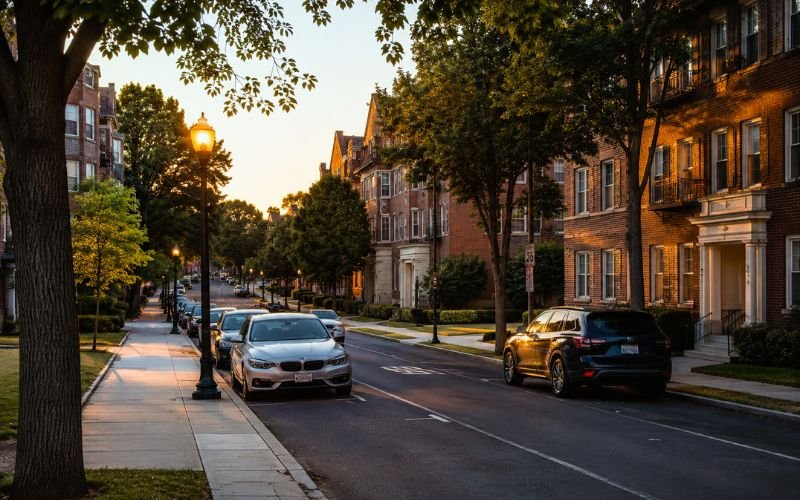
Safety should always be a top priority.
Research the area and ask:
- Is the neighborhood safe at night?
- Are there security cameras nearby?
- Is street lighting adequate?
- Is public transportation safe?
You can also check local crime statistics online before making a decision.
17. Are the Doors and Windows Secure?
Security features matter in shared housing.
Check for:
- Working locks
- Deadbolts
- Secure windows
- Gated entry
- Security cameras
A secure property helps protect both your belongings and personal safety.
18. Has the Property Had Pest Problems?
Pests can become a major issue in shared homes.
Ask directly about:
- Bed bugs
- Cockroaches
- Rodents
- Mold problems
Also inspect kitchens, bathrooms, and corners carefully during your visit.
19. How Are Maintenance Requests Handled?
Repairs are inevitable, so you should understand the maintenance process.
Ask:
- Who handles repairs?
- How quickly are issues fixed?
- Is emergency maintenance available?
A responsive landlord or property manager is extremely important.
20. Is Renter’s Insurance Required?
Some landlords require renter’s insurance, while others leave it optional.
Renter’s insurance can help protect against:
- Theft
- Fire damage
- Water damage
- Liability claims
It is often inexpensive and worth considering even if it is not required.
21. Is Parking Available?
Parking can become a daily headache if you do not ask about it upfront.
Questions include:
- Is parking included?
- Is street parking available?
- Are permits required?
- Is there assigned parking?
Reliable parking is especially important in busy cities.
22. How Close Are Grocery Stores, Gyms, and Public Transport?
Convenience matters more than many renters realize.
Ask about nearby:
- Grocery stores
- Pharmacies
- Public transportation
- Gyms
- Restaurants
- Parks
A convenient location can save both time and transportation costs.
23. Is the Internet Reliable?
Reliable internet is essential for work, school, streaming, and communication.
Ask:
- What internet provider is used?
- Are speeds reliable?
- Does the Wi-Fi reach the room?
- Are outages common?
Testing the connection during your visit is a smart idea.
24. Are Laundry Facilities Available?
Laundry access is often overlooked during room tours.
Clarify:
- Is laundry in-unit?
- Is it shared?
- Is it coin-operated?
- Are there usage schedules?
Easy laundry access adds significant convenience.
25. What Is the Move-Out Process?
Even before moving in, you should understand the move-out rules.
Ask about:
- Required notice period
- Cleaning expectations
- Deposit return timeline
- Inspection procedures
Knowing these details can help you avoid future disputes.
Biggest Red Flags When Renting a Room
Some warning signs should never be ignored.
Watch out for these common rental red flags:
- The landlord refuses to provide a written lease
- The rent seems unusually cheap
- You are pressured to send money immediately
- The property cannot be viewed in person
- Communication is inconsistent
- The home appears overcrowded
- The neighborhood feels unsafe
- Existing tenants complain frequently
If something feels wrong, trust your instincts and continue searching.
Questions Most Renters Forget to Ask
Many renters focus on the basics and forget smaller details that matter later.
Important overlooked questions include:
- Who controls the thermostat?
- Is there storage space available?
- Can packages be delivered safely?
- Is there a mailbox key?
- How many people share the bathroom?
- Are kitchen appliances shared equally?
- Are there restrictions on cooking hours?
These details can make a huge difference in daily comfort.
How to Avoid Rental Scams in 2026
Rental scams continue to increase, especially online.
Common scams include:
- Fake property listings
- Stolen listing photos
- Requests for deposits before viewing
- Fake landlords
- Wire transfer scams
To stay safe:
- Never send money before seeing the property
- Verify the landlord’s identity
- Use secure payment methods
- Avoid deals that seem too good to be true
- Research the address online
- Read reviews when possible
Scammers often create urgency to pressure renters into quick decisions.
Best Websites to Find Rooms for Rent Near You
Finding a trustworthy listing platform can make the process easier.
Popular options include:
- Roommate matching platforms
- Rental marketplace websites
- Local Facebook housing groups
- Student housing websites
- Community classifieds
When searching online, always verify listings carefully and avoid paying deposits without proper documentation.
Renting a Room vs Renting an Apartment
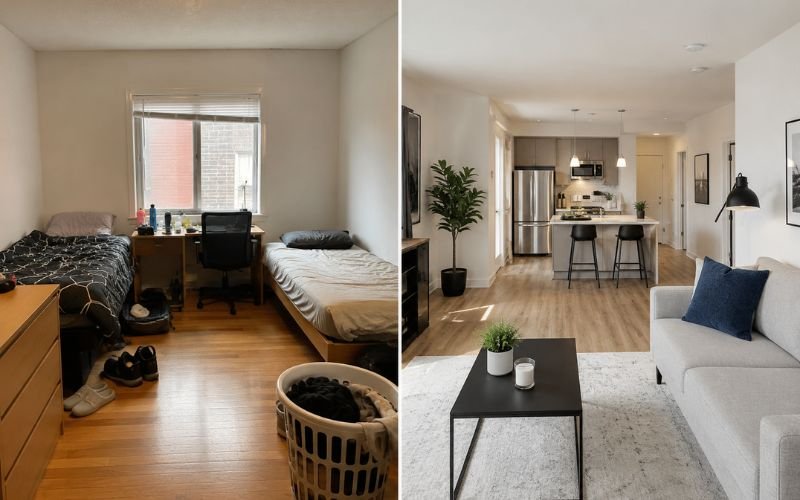
Both options have advantages and disadvantages.
| Feature | Renting a Room | Renting an Apartment |
| Monthly Cost | Lower | Higher |
| Privacy | Shared | Private |
| Utilities | Usually shared | Independent |
| Flexibility | Higher | Lower |
| Social Interaction | More common | Less common |
| Space | Limited | Larger |
A room rental is often the better option for students, young professionals, and renters on a budget.
First-Time Room Rental Checklist
Use this checklist before signing a lease:
- Inspect the room carefully
- Meet all roommates
- Read the lease agreement
- Ask about utility costs
- Test the Wi-Fi
- Check locks and security
- Confirm parking availability
- Understand guest policies
- Review move-out requirements
- Verify deposit terms
- Research the neighborhood
- Look for signs of pests or damage
A little preparation can prevent expensive mistakes later.
Frequently Asked Questions
What should I check before renting a room?
You should check the lease agreement, utility costs, safety, roommate compatibility, internet quality, cleanliness, and neighborhood conditions before renting a room.
Is it safe to rent a room without a lease?
Renting without a written lease is risky because it provides little legal protection if disputes arise.
How much should a room cost in 2026?
Room rental prices vary by city, neighborhood, and amenities. Major cities typically have higher rental costs than suburban or rural areas.
Can a landlord enter your room anytime?
In most cases, landlords must provide notice before entering rented spaces, except during emergencies.
What bills should be included in rent?
Common included bills may include water, electricity, gas, trash collection, and Wi-Fi.
Should I meet roommates before moving in?
Yes. Meeting roommates beforehand helps determine whether lifestyles and expectations are compatible.
How do I know if a room rental is a scam?
Warning signs include requests for money upfront, refusal to meet in person, missing lease agreements, and suspiciously low rent prices.
What is a reasonable security deposit?
Most deposits equal one month’s rent, though this varies by location and property type.
Can I negotiate room rent?
In some situations, yes. Longer leases, strong references, and low-demand seasons may improve negotiation opportunities.
What rights do room renters have?
Tenant rights vary by state, but renters generally have rights related to privacy, safety, habitability, and fair treatment.
Final Thoughts
Renting a room can be an affordable and practical housing solution, but only if you ask the right questions before committing. A quick tour and low monthly rent should never be the only factors influencing your decision.
The more you learn about the property, roommates, lease terms, safety, and hidden costs, the more confident you will feel about your choice. Taking time to ask detailed questions now can help you avoid stress, financial surprises, and uncomfortable living situations later.
Whether you are renting your first room or moving into a new city, use this checklist as your guide to finding a safe, comfortable, and reliable place to live in 2026.


