
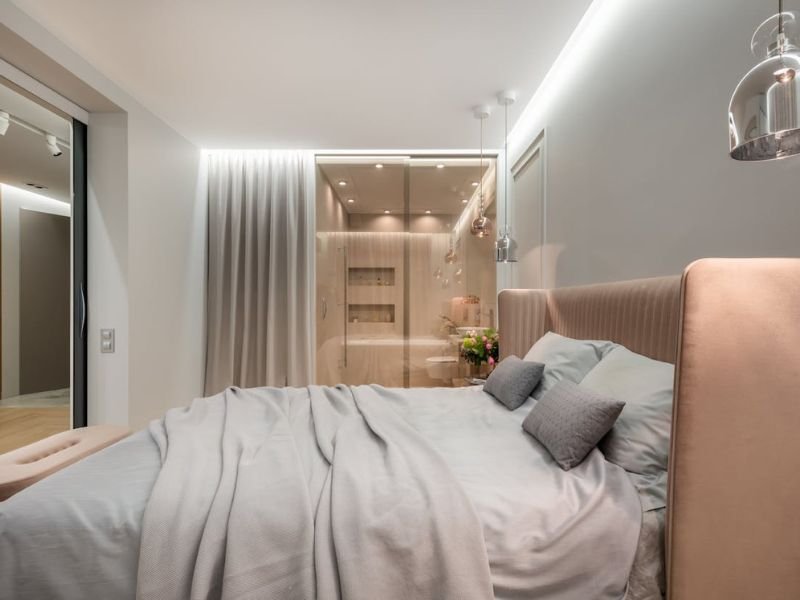
A bedroom can look beautiful and still feel exhausting to sleep in. Plenty of people spend money on matching furniture, expensive lighting, and carefully styled bedding, then lie awake every night shifting around trying to get comfortable while pretending the problem is stress or bad sleep habits instead of the room itself.
That disconnect shows up a lot in West Hollywood homes where style tends to matter almost as much as practicality. Bedrooms often look polished and thoughtfully designed, but smaller layouts, street noise, long work schedules, and constant screen exposure create comfort problems that expensive decor alone does not fix. People want bedrooms that photograph well, but they also want spaces that actually help them rest properly after long days that already feel overstimulating enough without carrying that tension into bed too.
Comfort Usually Outlasts Trends
Design trends change constantly. One year, everything is neutral tones and soft textures. Then, darker colors return again, or oversized furniture suddenly becomes popular. Comfort works differently. People rarely regret improving the way a bedroom feels physically because sleep affects almost every part of daily life afterward. A room that supports rest properly tends to matter more long-term than whether the decor still matches current trends two years later.
That becomes more obvious as people spend more time at home now. Bedrooms are no longer spaces used only for sleeping. They became reading areas, remote workspaces, recovery spaces after stressful days, and sometimes the quietest part of the house where people can sit alone for twenty minutes without interruptions.
The foundation of that comfort usually starts with physical support rather than appearance alone. Lighting, temperature, noise levels, bedding materials, and mattress quality all affect how restful a room feels, regardless of how expensive the furniture looks. People looking for superior sleep comfort should explore different mattress options in West Hollywood and choose the one that best suits them. You can find adjustable beds for varying sleep styles and medical conditions at stores like Custom Comfort Mattress. Good support changes the entire experience of a bedroom in ways that decorative upgrades honestly cannot fully replace.
People tend to notice this slowly. They wake up less sore. Sleep feels deeper. Even sitting on the bed while reading or working feels more comfortable because the room functions better physically instead of only looking finished visually.
Sleep Quality Shapes the Entire House Experience
One difficult thing about poor bedroom comfort is how it spreads into the rest of daily life quietly. People become used to waking up stiff, tired, or restless without realizing how much the bedroom contributes to that routine over time.
A mattress that no longer supports properly affects posture during the day. Poor airflow makes rooms feel heavier at night. Bad lighting keeps the brain overstimulated longer before sleep. Noise becomes harder to ignore once stress levels already feel high from work, traffic, or constant screen exposure. None of those issues sounds dramatic individually. Together, though, they slowly make the bedroom feel less restorative than it should.
That matters because home comfort is usually judged by how people feel living there consistently, not how the space looks during occasional visits from guests. A beautifully decorated bedroom that leaves someone exhausted every morning stops feeling luxurious pretty quickly.
There is also a growing awareness now around how deeply sleep affects focus, mood, energy, and even physical recovery. People track sleep data on watches, phones, and fitness apps constantly now. Bedrooms are becoming wellness spaces, whether homeowners intentionally planned them that way or not.
Expensive Decor Does Not Always Create Calm
A bedroom can cost a fortune and still feel stressful to sit in at night. Too much furniture crowds the space, bright lighting feels harsh before bed, and decorative setups often look better in photos than they do during everyday life. Most people do not actually want ten throw pillows covering the bed every evening after work.
Rooms focused on comfort usually feel calmer because they work better practically. Softer lighting, less clutter, better airflow, and furniture that actually fits the room tend to reduce stress more than expensive decor does. People are getting tired of bedrooms designed mainly for social media. A restful room usually matters more once the novelty of perfect styling wears off.
The Bed Matters More Than Almost Everything Around It
People spend years sleeping on uncomfortable mattresses without realizing how much it affects them until the problem finally disappears. They wake up stiff, stretch constantly in the mornings, avoid certain sleeping positions, and slowly accept back or shoulder pain as part of getting older. Then a mattress gets replaced, and suddenly the difference feels obvious.
The tricky part is that comfort is personal. Some people need firmer support, while others sleep better on softer surfaces that reduce pressure around the joints. A mattress that feels perfect to one person can feel miserable to someone else after a single weekend. Sleep quality usually depends more on proper support than expensive bedroom furniture around it.
Bedrooms Need to Feel Separate from Daily Stress
People rarely get a real mental break anymore. Emails show up late at night, phones stay within reach of the bed, and most bedrooms still contain screens flashing notifications long after the day should have ended. The room meant for rest slowly starts feeling connected to work stress, noise, and constant distraction instead.
Bedrooms usually work better when they feel separate from all that pressure. Softer lighting, cooler temperatures, supportive bedding, and quieter surroundings help the body settle down more naturally before sleep. That becomes harder in smaller homes where bedrooms double as offices or entertainment spaces, but comfort still matters because people sleep differently in rooms that actually feel calm and physically relaxing.
Practical Comfort Usually Ages Better Than Decorative Trends
Decor trends move fast because people get bored quickly, but comfort usually stays important no matter what style becomes popular next year. After living in a bedroom for a while, most homeowners care less about whether the furniture still looks trendy and more about whether they wake up rested instead of stiff and irritated every morning.
That does not mean design stops mattering. People still want bedrooms that feel personal and visually calming. The difference is that comfort tends to carry the room long term while decorative trends keep changing every few years. A bedroom that actually helps someone sleep well usually feels valuable much longer than expensive decor chosen mostly for appearance.


