
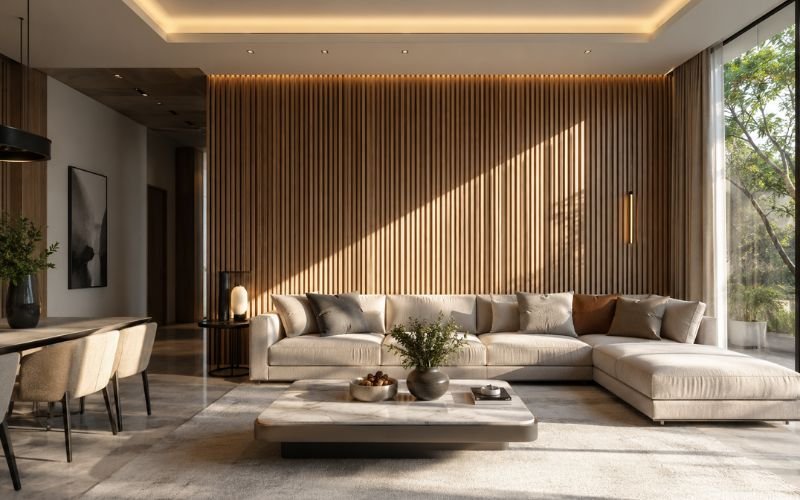
Interior design trends come and go, but some ideas gain momentum because they solve real problems. Decorative wall panels fall firmly into that category. Once associated mainly with commercial spaces or period interiors, they have now become a defining feature of modern residential design. Homeowners and designers alike are turning to panels as a way to add depth, texture, and personality to a room—often with far less effort than traditional renovations.
What makes this shift especially interesting is how versatile and accessible wall panels have become. They’re no longer reserved for feature homes or large budgets. Instead, they’re increasingly used as practical design tools that transform spaces quickly and effectively.
Why Walls Are No Longer Just Backgrounds
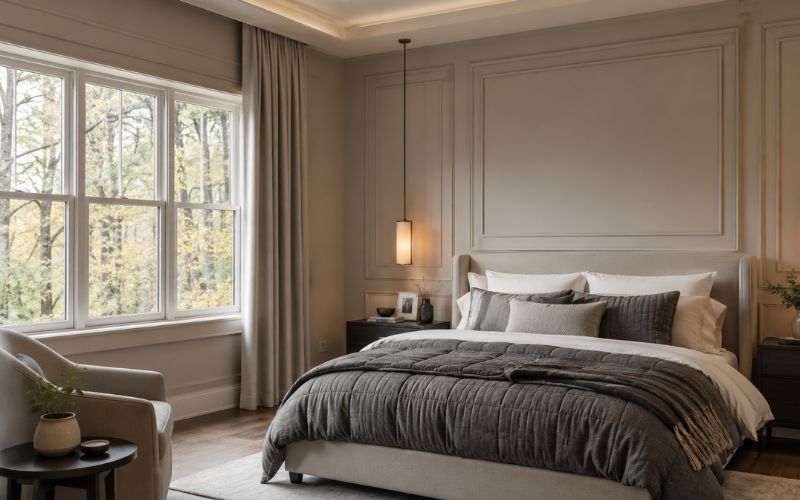
For a long time, walls were treated as neutral backdrops—painted white or beige and largely forgotten. Today, that mindset has changed. Walls are now seen as active design elements that can shape the mood and character of a room.
Decorative panels allow walls to become focal points without overwhelming the space. Whether subtle or bold, they introduce visual interest in a way that paint alone often can’t. This is especially valuable in minimalist interiors, where texture replaces clutter as a source of warmth and detail.
The Appeal of Instant Transformation
One of the biggest reasons panels have gained popularity is speed. Compared to major structural changes, installing wall panels is relatively quick. In many cases, a room can be visually transformed in a single day.
This instant impact makes panels particularly appealing for living rooms, bedrooms, and hallways—spaces where atmosphere matters more than function. Even a small area, such as a headboard wall or an entryway, can feel completely reimagined with the addition of panels for walls that add structure and rhythm.
Texture, Depth, and Light
Unlike flat painted surfaces, panels interact with light. Grooves, slats, and raised details create shadows that shift throughout the day, making a room feel more dynamic.
This play of light and shadow adds depth, which is especially useful in smaller or simpler spaces. A narrow hallway can feel wider, a low ceiling higher, and a plain room more layered simply through thoughtful panel design.
Texture also introduces a tactile quality that softens modern interiors. In homes dominated by glass, metal, and smooth finishes, panels help restore balance.
From Traditional to Contemporary Styles
Decorative wall panels are no longer limited to classic designs. While traditional panelling still has its place, modern interpretations have expanded the possibilities dramatically.
Clean-lined vertical slats suit contemporary spaces, while geometric patterns add a subtle sense of creativity. Even minimalist interiors benefit from understated panel designs that add interest without drawing too much attention.
Because panels come in a variety of materials and finishes, they can be adapted to almost any style—from Scandinavian and industrial to transitional and eclectic.
Practical Benefits Beyond Aesthetics
While the visual appeal of wall panels is obvious, they also offer practical advantages. Panels can help disguise uneven walls, conceal minor imperfections, or cover up previous damage without extensive repairs.
In some cases, they also improve acoustics by reducing echo, making them a popular choice for home offices, media rooms, and open-plan living spaces. Durability is another factor; panels often withstand wear better than painted walls, particularly in high-traffic areas.
A Cost-Effective Design Upgrade
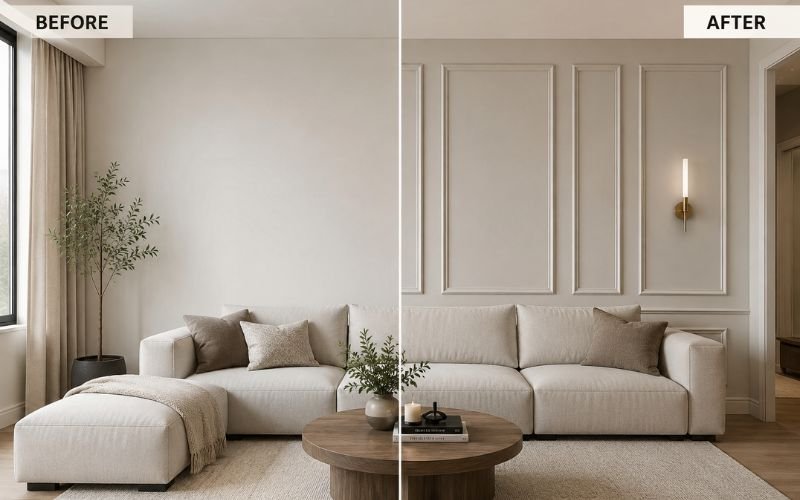
Compared to full renovations or bespoke built-ins, wall panels can be a relatively cost-effective upgrade. They provide a high-end look without requiring changes to layout, plumbing, or electrics.
This makes them attractive to renters (where permitted), homeowners refreshing older properties, or anyone looking to make a noticeable change without committing to a major project.
Because panels are modular, they can also be installed gradually. Starting with one feature wall allows for flexibility and budget control.
Customisation and Personal Expression
Another reason decorative panels are reshaping modern interiors is their potential for personalisation. Layout, spacing, colour, and finish all influence the final result.
Some homeowners use panels to echo architectural lines or highlight existing features, while others use them to introduce contrast in otherwise neutral rooms. This adaptability allows panels to feel intentional rather than purely decorative.
Where This Trend Is Heading
As interior design continues to focus on comfort, individuality, and sustainability, wall panels are likely to remain relevant. Their ability to enhance spaces without excessive materials or waste aligns with more thoughtful approaches to home improvement.
Rather than being a passing trend, decorative panels reflect a broader shift toward interiors that feel considered, tactile, and lived-in.
Final Thoughts
Decorative wall panels have changed how we think about interior spaces. They prove that transformation doesn’t always require drastic measures—sometimes, it’s about rethinking how we use the surfaces we already have.
By adding texture, depth, and character, wall panels turn ordinary rooms into spaces that feel intentional and complete. In modern interior design, walls are no longer just boundaries—they’re opportunities.


