
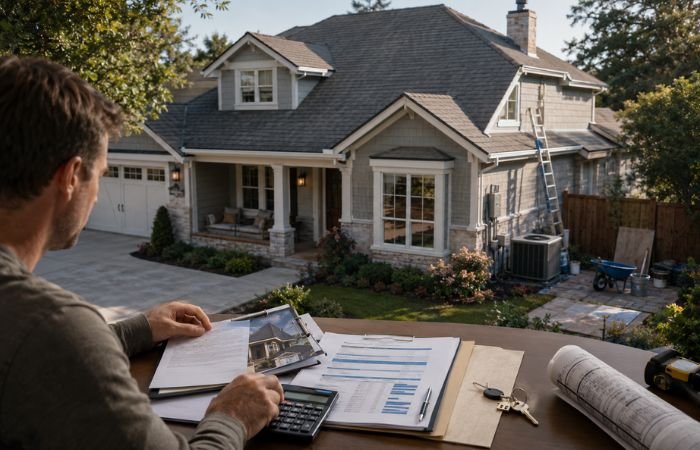
A home can appear affordable when the monthly mortgage payment fits comfortably within a household budget. The problem is that a mortgage is only one part of what it costs to own and maintain a property.
Taxes, insurance, utilities, routine maintenance, repairs, and future upgrades can all affect monthly and annual spending. Older homes may also need electrical, plumbing, roofing, heating, or exterior work sooner than a buyer expects.
Looking beyond the purchase price before making an offer gives buyers a clearer picture of what the property may require after the keys change hands.
Start With the Full Monthly Housing Cost
Mortgage payments naturally receive the most attention because they are usually the largest recurring expense. Buyers should still account for the other costs that arrive alongside them.
Property taxes, insurance, utilities, and applicable strata or association fees can add considerably to the amount leaving the household budget each month.
Vancouver Home Hub’s ownership calculator, for example, includes mortgage inputs along with property taxes and strata fees, illustrating why purchase price alone does not show the full recurring cost of ownership.
A home cost calculator can provide a useful starting point for comparing these predictable expenses, but buyers should also create room for costs that do not arrive on a fixed monthly schedule.
Utilities Can Change From One Property to Another
Two homes with similar purchase prices may have very different operating costs.
Size, insulation, heating equipment, cooling systems, windows, appliances, household habits, and energy sources can all influence utility bills.
Before buying, ask for whatever historical utility information is reasonably available. It may not predict future bills exactly, but it can provide more context than estimating solely from the home’s square footage.
Think About Equipment That Uses More Power
A property with electric heating, air conditioning, a hot tub, workshop equipment, or an EV charger may have different electrical demands from a smaller house with relatively few large loads.
Those features are not necessarily drawbacks. They simply belong in the ownership budget.
Electrical Updates Can Become an Early Expense
Electrical systems are easy to overlook during a showing because most of the wiring sits behind walls.
Buyers may notice attractive lighting and recently installed appliances without knowing much about the service panel, older wiring, available circuits, or previous electrical alterations.
LB Electric lists residential work that includes repairs, troubleshooting, rewiring older homes, panel and service upgrades, EV charger installations, and new-home wiring.
If an inspection or planned renovation raises electrical questions, buyers may need to consult the best electricians they can identify for the specific work rather than budgeting only for decorative changes.
Future Plans Can Change Electrical Needs
Think about what you may add after moving in.
A renovated kitchen, electric vehicle charger, hot tub, workshop, heating equipment, or home addition may introduce new electrical requirements.
Even if those projects are several years away, knowing whether the existing system can support future plans can help with budgeting.
Routine Maintenance Deserves Its Own Budget
Not every home expense is a repair.
Gutters need cleaning. Heating and cooling equipment may require servicing. Exterior finishes need attention over time. Landscaping requires tools, materials, or paid maintenance. Appliances eventually need parts or replacement.
These smaller costs can be easy to dismiss individually because they do not feel as significant as a roof replacement or major renovation.
Over a full year, however, routine upkeep becomes a real category of household spending.
Setting aside money for maintenance also reduces the temptation to postpone small jobs until they become larger problems.
Consider the Age of Major Home Components
A house can be move-in ready while several major components are already well into their service life.
Before buying, find out what you reasonably can about the age and condition of the roof, heating and cooling equipment, water heater, windows, exterior materials, appliances, plumbing components, and electrical system.
Age alone does not determine whether something needs immediate replacement, but it can help buyers anticipate which expenses may arrive first.
Separate Immediate Work From Future Work
A useful home inspection report may contain several recommendations, but they do not all carry the same urgency.
Divide anticipated work into three categories:
- Items that need prompt attention
- Maintenance that can be scheduled over the next few years
- Optional improvements based mainly on preference
This keeps cosmetic wish-list items from competing with repairs that protect the property.
Insurance Costs Should Be Checked Before Closing
Home insurance is another expense that can vary between properties.
Buyers should obtain an actual quote for the house they are considering rather than assuming the premium will resemble that of another property.
Coverage, property characteristics, deductibles, location, and insurer requirements can all influence the final cost.
Understanding the likely premium before closing prevents another recurring expense from appearing unexpectedly after the purchase.
Strata or Association Fees Need Context
For condos and some managed communities, regular fees may cover certain shared expenses and property services.
The monthly figure alone does not tell the entire story.
Buyers should understand what the fee covers and which costs remain their personal responsibility. A property with a higher fee may include services that would otherwise be paid separately, while a lower fee does not automatically mean lower total ownership costs.
It is also sensible to review the available documents relating to the property’s finances and planned work as part of the buying process.
Renovation Plans Need More Than a Materials Budget
Buyers often walk through a home mentally replacing cabinets, floors, counters, paint, and fixtures.
Those visible materials are only part of renovation spending.
Changing a room may involve demolition, labour, permits where required, electrical work, plumbing changes, repairs to hidden surfaces, disposal, and finishing work around the remodeled area.
A project can also uncover conditions that were impossible to see before walls or flooring were opened.
Adding a contingency amount to a renovation budget gives buyers more flexibility if the scope changes.
Outdoor Areas Create Their Own Costs
A large yard, deck, fence, pool, irrigation system, or elaborate garden can add considerable enjoyment to a property, but these features also require upkeep.
Before buying, consider how much time and money you are willing to spend maintaining them.
A large lawn may need regular mowing and seasonal care. Decking can require periodic maintenance. Fences may eventually need repair. Trees sometimes need professional attention.
The question is not whether these features are worth having. It is whether their ongoing care fits the household’s priorities.
Keep an Emergency Reserve After the Purchase
Using every available dollar for the down payment, closing costs, furniture, and immediate upgrades can leave little room for an unexpected repair.
Homes contain systems that can fail without much warning. A plumbing leak, damaged appliance, electrical problem, or heating issue may need attention even if it was not part of the first-year plan.
Keeping money available after closing gives homeowners more flexibility when something needs to be repaired sooner than expected.
Look Beyond What the House Costs Today
The purchase price tells buyers what it takes to acquire a property. It does not fully describe what it takes to live in and maintain it.
A realistic ownership budget should include predictable expenses such as taxes, insurance, utilities, and applicable property fees, while also leaving room for maintenance, repairs, and future upgrades.
Looking at these costs before buying does not mean expecting every possible problem. It means entering homeownership with enough financial room for the ordinary responsibilities that arrive after closing.
A property that fits both the purchase budget and the ongoing ownership budget is far easier to enjoy than one whose hidden expenses begin competing with household finances soon after move-in.


