
Table Of Contents
- Why Garage Doors Matter During Severe Weather
- The Preseason Garage Door Check
- Wind Ratings, Bracing, and Replacement Choices
- Simple Maintenance Tasks Homeowners Can Handle
- When to Schedule a Professional Inspection
- What to Do When a Storm Threatens
- How to Protect Garage Storage
- Garage Door Safety During a Power Outage
- What to Check After the Storm
- Quick-Check Checklist
- Conclusion
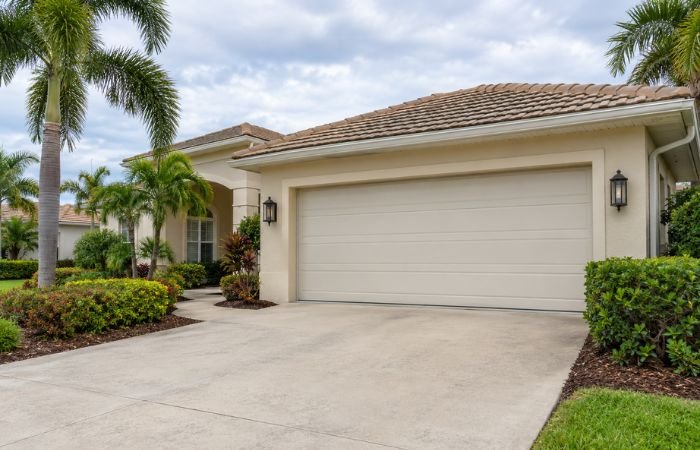
In Naples, Florida, a garage door has to handle everyday heat, humidity, coastal air, and the possibility of severe weather during hurricane season. Because it is one of the home’s largest exterior openings, a door that is worn, poorly secured, or incorrectly rated can become a major concern when strong winds and wind-driven rain arrive. Scheduling Naples garage door repair before a storm is approaching gives homeowners time to address problems without making rushed decisions.
Preparation should begin well before a named storm is in the Gulf. A practical plan includes checking the door’s condition, confirming its wind-related documentation, protecting property stored in the garage, and knowing when a repair calls for a trained technician rather than a do-it-yourself attempt.
Why Garage Doors Matter During Severe Weather
Strong winds can push against a closed garage door, pull at its exterior surface, and place stress on panels, tracks, fasteners, and the framing around the opening. If a door fails, wind and rain can enter the garage and affect the rest of the structure. The National Weather Service notes that garage doors are particularly vulnerable during hurricane conditions, which is why they deserve attention alongside windows, exterior doors, and roof components.
A door can look solid and still lack the rating or complete assembly details needed for a particular home. Weight, thickness, and sales language alone do not confirm wind resistance or protection from windborne debris.
The Preseason Garage Door Check
Choose a dry, calm day and inspect the door from inside and outside. Operate it while standing clear, then watch its movement from a safe distance. Look for the following warning signs:
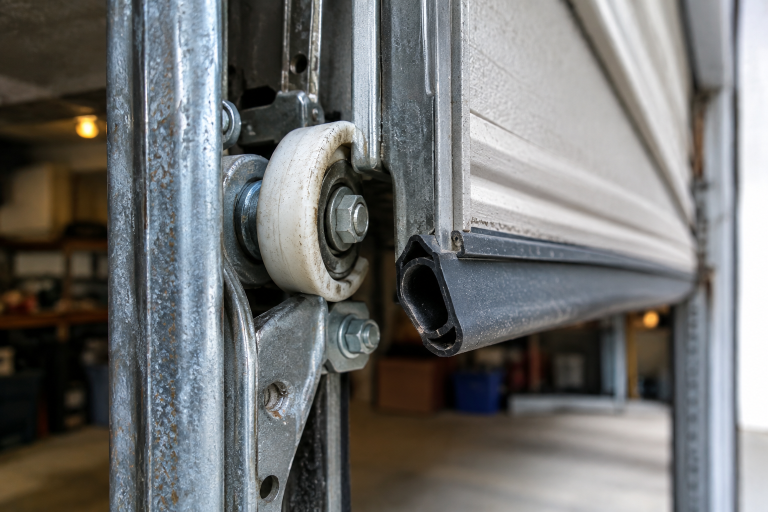
- Bent panels, cracks, rust, loose fasteners, or gaps around the opening.
- A door that sits unevenly when closed or moves with shaking, grinding, or delays.
- Dented tracks, loose track brackets, or sections pulling away from the wall.
- Worn bottom and side weather seals that may allow water or pests inside.
- A manufacturer’s label or paperwork listing wind pressure, product approval, or model information.
Wind Ratings, Bracing, and Replacement Choices
A standard door is not automatically a wind-rated door, and a wind-rated door is not automatically tested for windborne-debris protection. The door system matters as a whole, including panels, reinforcement, tracks, fasteners, and installation method. If documentation is missing, ask a qualified garage door professional to identify the door and evaluate the opening.
Questions To Ask About a Garage Door
- What wind pressure rating applies to this door?
- Was the complete assembly, including tracks and attachments, evaluated for that rating?
- Does the door provide debris protection, if that is needed for the location?
- Would the existing opening need additional bracing or structural work?
- Will replacement and installation meet applicable local requirements?
Simple Maintenance Tasks Homeowners Can Handle
Routine care can support smoother daily operation, but it should stay within low-risk limits. Homeowners can remove leaves and light debris from tracks, wipe surface grime from hinges and rollers, replace weak remote batteries, and keep the travel path clear. Test the opener’s automatic reverse feature using the safe method specified in the opener manufacturer’s instructions.
Do not adjust torsion springs, extension springs, lift cables, bottom brackets, or other high-tension components. These parts can cause serious injury when handled improperly. Keep storm braces, approved coverings, and basic supplies in a labeled location that is easy to reach.
When to Schedule a Professional Inspection
Arrange professional service if the door feels unusually heavy, drops or rises too quickly, or does not stay in position. Other clear reasons to stop using the door include a loose or frayed cable, a broken spring, a door that has left its tracks, bowed panels, severe corrosion, or an opener that runs while the door does not move. A professional inspection is also sensible when there is no clear record of the door’s wind rating.
What to Do When a Storm Threatens
Several Days Before
- Finish necessary repairs before service schedules become crowded.
- Confirm that approved braces or coverings fit the specific door.
- Bring in loose patio items, tools, small equipment, and chemicals when safe to do so.
- Review household evacuation plans and monitor official local alerts.
Before Strong Winds Arrive
- Close and secure the garage door.
- Install only products designed and approved for the door or opening.
- Move valuables away from the door and raise them off the floor when possible.
- Follow evacuation instructions immediately if local officials issue them.
Garage preparation should fit into a broader household plan that includes supplies, communications, and evacuation decisions. Florida residents can use the state’s home emergency planning guidance to organize those larger preparations before conditions worsen.
How to Protect Garage Storage
Garages commonly hold documents, electronics, power tools, fuel containers, bicycles, ladders, and lawn equipment. Place sensitive items in sealed containers or on raised shelving, and keep cardboard boxes off the floor. Secure items that could tip, roll, or shift. Leave a clear walkway so the door, walls, and stored belongings can be inspected safely before and after a storm.
Garage Door Safety During a Power Outage
Know how the emergency release works before an outage, but use it only when the door is fully closed and stable. Do not force open a crooked, damaged, or partially raised door. Keep children away from the opener, tracks, springs, and moving door. Never operate a portable generator inside the garage, even with the door open, because exhaust can accumulate in enclosed or partially enclosed spaces.
What to Check After the Storm
Inspect from a distance before touching the door or using the opener. Look for bent panels, loose tracks, displaced hardware, broken cables, standing water, damaged walls, and downed electrical wires nearby. Do not operate a door that is visibly bent or off track. Photograph damage when it is safe, then arrange an inspection before attempting significant repairs or cleanup around damaged door components.
Quick-Check Checklist
- ☐ Confirm wind-rating documentation.
- ☐ Inspect panels, tracks, rollers, hinges, springs, and cables.
- ☐ Test the opener’s safety reversal feature.
- ☐ Replace worn weather seals.
- ☐ Clear clutter from the garage entrance and travel path.
- ☐ Store storm supplies where they are accessible.
- ☐ Raise valuable belongings off the floor.
- ☐ Review evacuation and emergency plans.
- ☐ Schedule repairs before a storm is forecast.
- ☐ Avoid damaged or high-tension components.
Conclusion
For Naples homeowners, garage door preparation is a practical part of protecting the home for the 2026 storm season. Early inspections can reveal worn seals, loose hardware, damaged panels, and missing documentation before severe weather creates urgency. With safe maintenance, thoughtful storage, and professional help for complex repairs, a garage door can be better prepared for the conditions Southwest Florida may bring.


