
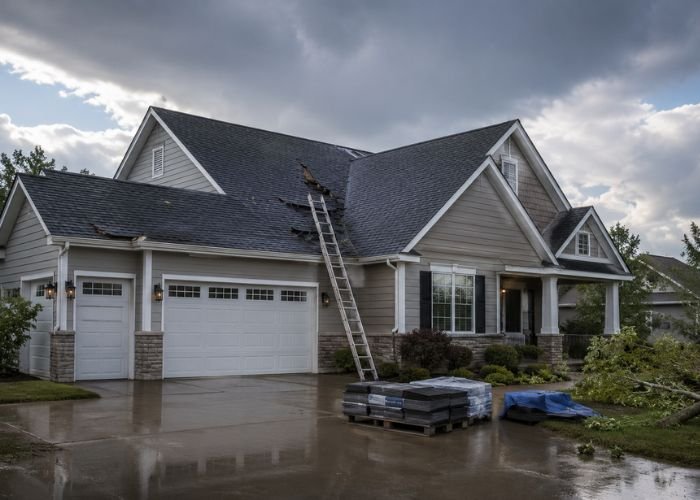
Your roof works harder than almost anything else in your home, and it does the whole job without ever asking for attention. Most homeowners never think about it until a stain shows up on the ceiling or a shingle lands in the yard after a windy night.
By then, the damage has usually been building for a while. Water finds its way in through a small gap, spreads across the decking, and reaches insulation and framing before anyone notices. What could have been a quick fix becomes a much bigger project.
The good news is that roof trouble gives off warning signs long before it turns into a disaster. Knowing what to watch for, and acting quickly when something looks off, is what keeps a small repair from becoming a major one.
How Storms Take a Toll on Your Roof
Few things test a roof like a storm. High winds lift and loosen shingles, sometimes peeling them away entirely along the edges where the roof is most exposed. Hail bruises and cracks the surface, knocking loose the protective granules that shield shingles from the sun. Flying branches and debris can puncture the roof outright.
The tricky part is that a lot of storm damage is hard to see from the ground. A roof can look almost normal after a storm while small openings quietly let water slip underneath with the next rainfall. That hidden water is what causes the real trouble over the following weeks.
This is why a roof deserves a closer look any time severe weather rolls through, even when nothing obvious has gone wrong.
What To Do After a Storm Rolls Through
Once the weather clears, a few simple steps can save you a lot of money and stress:
- Walk around the house and look for shingles, granules, or debris in the yard.
- Check ceilings and attic spaces for fresh stains, damp spots, or daylight coming through.
- Look at gutters and downspouts for shingle granules, which signal surface wear.
- Take photos of anything you find, in case you need them for an insurance claim.
If you spot damage, resist the urge to climb up and patch it yourself. Roofs are dangerous, and a quick DIY fix often hides the real problem instead of solving it. Bringing in a professional for repairing storm damage means the full extent of the damage gets found and fixed properly, not just the part you could see. Acting within days rather than weeks also keeps water from working its way deeper into the home.
Why Flat Roofs Need Special Attention
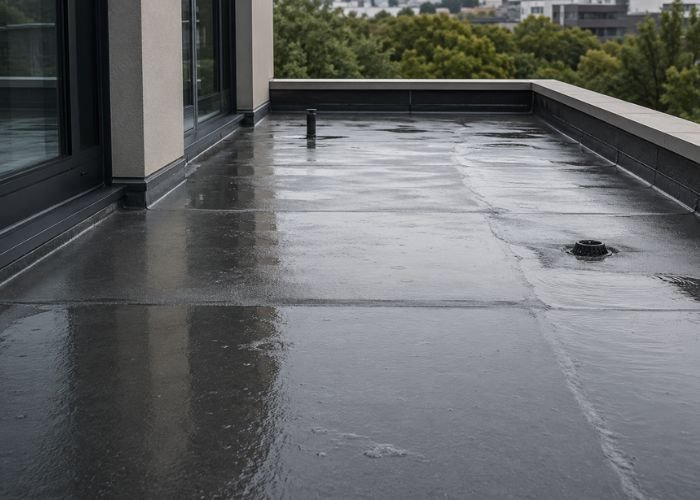
Flat and low-slope roofs come with their own set of challenges, and they are easy to overlook because you usually cannot see the surface at all.
Unlike a steep roof that sheds water quickly, a flat roof relies on careful drainage. When drains clog or the surface starts to sag, water pools and sits there, slowly working into seams and weak spots. Over time, that standing water becomes one of the most common reasons flat roofs begin to leak.
The materials are different too. Flat roofs use membrane systems that have to be sealed correctly at every seam and edge, so a single lifted seam can let in a surprising amount of water. Because of that, professional flat roof repair is worth the call rather than a temporary patch, since these systems need to be handled by someone who works with them regularly. Done right, the repair restores the seal and protects everything underneath.
Warning Signs You Should Never Ignore
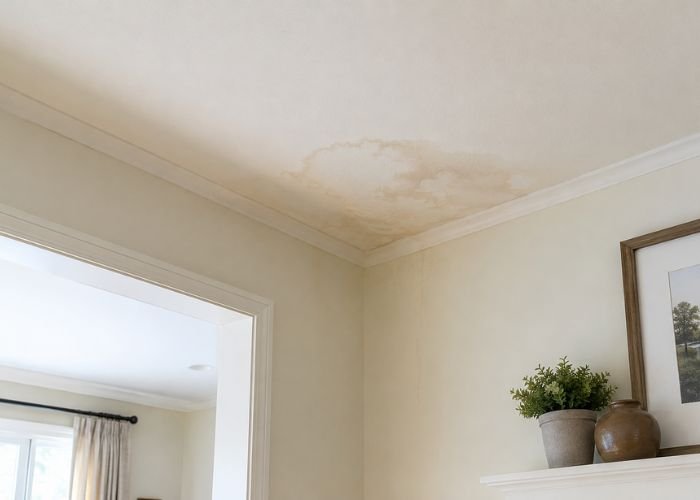
Whatever kind of roof you have, certain signs mean it is time to take action. Keep an eye out for:
- Stains or discoloration on ceilings and upper walls.
- Shingles that are cracked, curling, or missing.
- Granules collecting in gutters or at the base of downspouts.
- Sagging areas or visible dips in the roofline.
- Daylight or drafts coming through the attic.
- Higher energy bills, which can point to insulation soaked by a hidden leak.
None of these tends to fix itself. Each one is the roof’s way of telling you that water or weather has found a weak point.
Repair Now or Pay More Later
It is tempting to put off a roof repair, especially when the damage looks minor. But few parts of a home punish delay quite like the roof. Water that gets past the surface does not stay still — it spreads into the decking, soaks the insulation, and can reach the framing and wiring.
A small repair handled early is almost always cheaper and simpler than what it turns into later. Catching a lifted shingle or a cracked seam now can be the difference between a quick visit and a full section replacement down the line.
When you are unsure how serious a problem is, a professional inspection is the fastest way to find out. An experienced roofer can tell you whether you are looking at a simple fix or something that needs more attention, and help you plan the work before the next storm arrives.
How Often Should You Check Your Roof?
You do not need to climb up there every week, but a little routine attention goes a long way. A good rule of thumb is to look the roof over twice a year, once in spring and once in autumn, plus a quick check after any major storm.
Most of this you can do safely from the ground with a pair of binoculars. Scan for missing or lifted shingles, look at the flashing around chimneys and vents, and make sure gutters are clear so water can actually drain. Clogged gutters back water up onto the roof edge, which is a common and easily avoided cause of leaks.
If anything looks off, or if your roof is more than fifteen or twenty years old, it is worth having a professional take a proper look. Catching wear early is what turns an expensive surprise into a routine fix.
The Bottom Line
A roof protects everything beneath it, so it pays to return the favor with a little attention. Watch for the warning signs, take a closer look after every major storm, and deal with small problems while they are still small.
Whether you have a steep roof shedding the rain or a flat roof quietly holding water, the rule is the same: the sooner you act, the less it costs. A sound roof keeps the whole house drier, safer, and more comfortable, season after season.


