

If you live in Erie, you know how quickly the weather can change. Heavy lake-effect snow, strong winds off Lake Erie, spring rainstorms, and freezing winter temperatures can all put extra stress on a home. That’s why regular home maintenance is more than just a good habit—it’s an important part of protecting your comfort and avoiding costly repairs. A few simple maintenance routines can help you catch small issues early, reduce stress, and keep your home running smoothly throughout every season.
Start At The Roof
Your roof is one of the hardest-working parts of your home. It takes the first hit from rain, snow, wind, sun, and whatever else the sky decides to toss down. In Erie, that can mean lake-effect snow, strong winds, heavy rain, and freeze-thaw weather that can be rough on roofing materials.
You don’t need to climb up there with a cape and a flashlight. In fact, please don’t. Start from the ground and look for warning signs. Missing shingles, dark patches, sagging areas, loose flashing, and ceiling stains indoors can all point to roof trouble.
If you spot damage or your roof is getting older, contacting a roofer in Erie can help with inspections, repairs, or replacement before small issues become major leaks.
Prevention is much easier than panic. A roof check now can save you from buckets in the hallway later.
Check Gutters Often
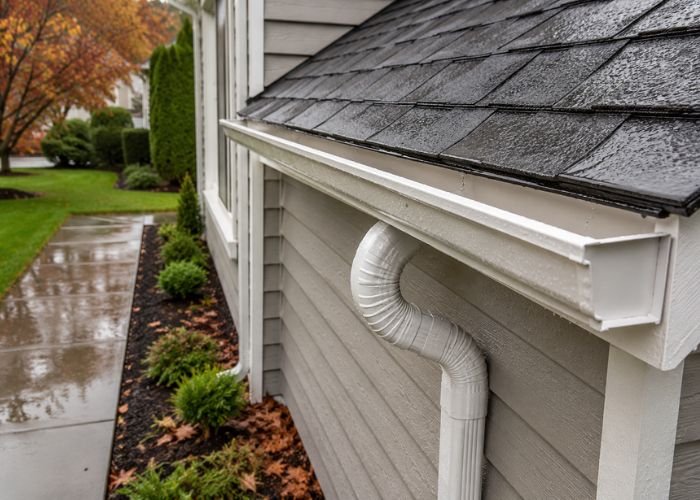
Gutters may not be the most glamorous part of your home, but they do an important job. They move rainwater and melting snow away from your roof, siding, and foundation. When they clog, water starts looking for other places to go. Spoiler alert: those places are usually not good.
Leaves, twigs, dirt, and roof granules can collect in gutters over time. If water spills over the sides, pools near your foundation, or creates stains on your siding, your gutters may need attention.
A simple seasonal routine helps:
- Check gutters in spring and fall
- Remove leaves and debris
- Make sure downspouts point away from the house
- Look for loose or sagging sections
- Watch for ice buildup during winter
Clean gutters help prevent leaks, basement moisture, siding damage, and foundation problems. They are small channels with a big responsibility. Basically, tiny water traffic controllers.
Watch For Moisture
Moisture problems can sneak into a home quietly. One day everything looks fine, and the next day you’re wondering why the basement smells like a wet towel with regrets.
Check common problem areas often. Bathrooms, basements, kitchens, laundry rooms, and spaces around windows are all places where moisture can show up. Look for peeling paint, soft drywall, musty smells, water stains, or warped flooring.
Small leaks under sinks are especially easy to miss. Open cabinets now and then and check for dampness or discoloration. Around windows, condensation or staining may signal air leaks or water intrusion.
Early detection matters because moisture can lead to mold, wood damage, and expensive repairs. It can also affect indoor comfort and air quality.
You don’t need fancy tools for the basics. Your eyes, nose, and a quick monthly check can catch many issues before they become full-blown home drama.
Keep Outdoor Areas Safe
Outdoor maintenance protects both your home and the people who use it. Walkways, trees, decks, fences, and steps all deserve a little attention throughout the year.
Start with trees and shrubs. Branches that hang too close to the roof or siding can cause damage during storms. Trimming them back helps reduce risk and keeps your home looking cared for.
Walkways and driveways should also be checked for cracks, uneven spots, or slippery areas. A small trip hazard can quickly become a big problem, especially during rainy or icy weather.
Look over exterior structures too. Deck railings, porch steps, fences, and handrails should feel sturdy. If something wiggles when it shouldn’t, that’s your home politely asking for help.
Outdoor maintenance doesn’t have to be fancy. Clear debris, fix small hazards, and keep pathways safe. These simple actions help your home stay welcoming instead of turning into an obstacle course.
Stay Organized Indoors
Good maintenance is easier when you know where things are. If your flashlight, batteries, filters, and basic tools are scattered across five mystery drawers, even a small task can feel like a treasure hunt.
Create one place for home maintenance supplies. A bin, shelf, or cabinet can hold essentials such as light bulbs, air filters, tape, gloves, small tools, and cleaning supplies.
Keep records too. Save receipts, warranties, inspection notes, and service dates in a folder or digital file. This makes it easier to know when something was repaired or replaced.
A seasonal checklist can also help you stay on track. You don’t need a complicated binder with color-coded tabs unless that brings you joy. A simple list on your phone works fine.
Organization saves time and reduces stress. When small problems appear, you’re ready to handle them instead of muttering, “Where did I put that thing?” for twenty minutes.
Build A Comfortable Lifestyle
Home maintenance isn’t only about avoiding repairs. It’s also about making your daily life more comfortable. A well-cared-for home feels safer, cleaner, and easier to enjoy.
When your roof is sound, gutters are clear, moisture is under control, and outdoor spaces are safe, you can relax more. You’re not constantly wondering what might break next. That kind of peace of mind is a real lifestyle upgrade.
Regular care also helps your home feel more inviting. Clean entryways, organized rooms, and well-maintained outdoor areas make everyday living smoother. For more practical home improvement ideas, you can explore simple ways to keep your living space functional and comfortable.
The point isn’t perfection. Every home has quirks. The goal is to prevent small issues from stealing your time, money, and weekend plans. Your future self will appreciate the effort.
Create A Simple Plan
A simple maintenance plan can keep your home in better shape without overwhelming you. The trick is to make the routine realistic. If your plan feels too complicated, it may end up ignored like a gym membership in February.
Break tasks into seasons. Spring can be for gutters, exterior checks, and cleaning outdoor spaces. Summer can focus on landscaping and small repairs. Fall is a good time to prepare for colder weather. Winter is perfect for indoor organization and moisture checks.
You can also set monthly reminders for quick tasks. Walk around your home, look for anything unusual, and handle small problems early.
Small actions done consistently are more powerful than waiting for a big repair emergency. A few minutes here and there can protect your home for years.
Take care of your home little by little, and it will take better care of you.


