
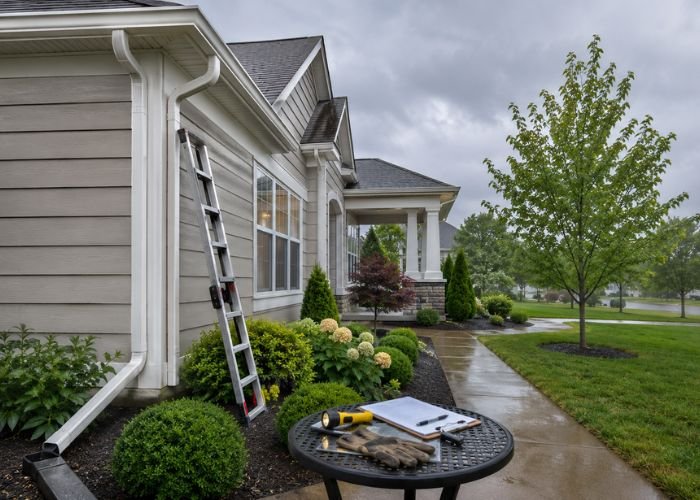
As the rainy season approaches, most homeowners think about keeping an umbrella handy or cleaning up the yard. However, one of the best ways to protect your home is by tackling a few preventative maintenance tasks before the first heavy storm arrives.
According to the Insurance Information Institute, water damage and freezing account for approximately 22.6% of all homeowners insurance claims, making it the second most common type of property claim after wind and hail.
A little preparation now can help prevent costly repairs later. Water intrusion, foundation issues, roof leaks, and poor drainage often start as small problems that go unnoticed until they’re expensive to fix. By taking the time to inspect your home inside and out, you’ll be better prepared to handle whatever the weather brings.
1. Clean Your Gutters and Downspouts
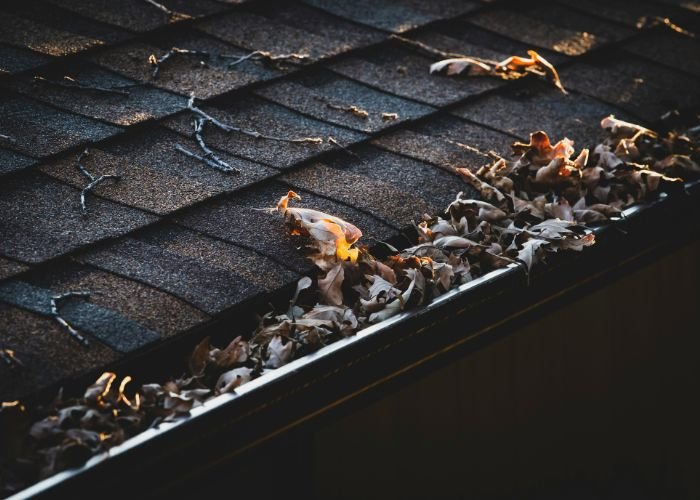
Gutters play a critical role in directing rainwater away from your home’s foundation. When they’re clogged with leaves, twigs, or debris, water can overflow and pool around the base of your home.
This excess moisture can eventually contribute to:
- Foundation settlement
- Basement leaks
- Soil erosion
- Landscape damage
Make sure your gutters are cleaned before the rainy season begins, and verify that downspouts discharge water at least 6 to 10 feet away from your foundation whenever possible.
2. Check Your Roof for Damage
Your roof is your home’s first line of defense against rain. Even a single damaged shingle can allow water to work its way beneath the roofing material.
Inspect your roof for:
- Missing or cracked shingles
- Loose flashing around chimneys and vents
- Sagging areas
- Damaged roof vents
If you’re uncomfortable climbing onto your roof, consider scheduling a professional inspection. Catching small issues early is far less expensive than repairing water damage inside your home.
3. Inspect Your Foundation for Cracks
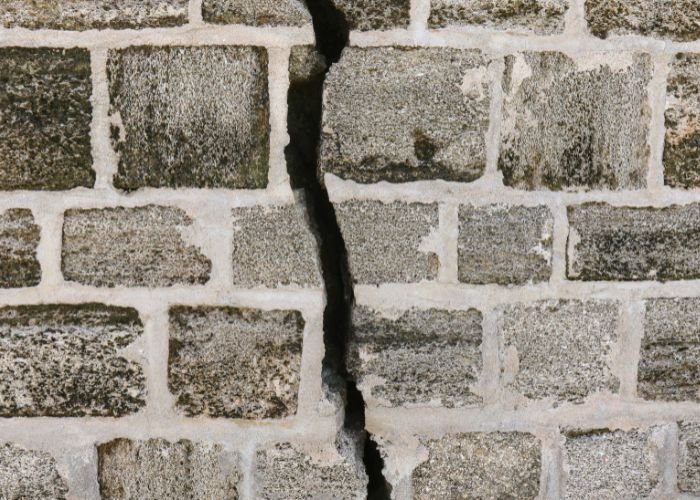
Walk around the exterior of your home and look carefully at your foundation walls.
Hairline cracks are common in concrete, but larger or expanding cracks may indicate water pressure or foundation movement. The Federal Emergency Management Agency (FEMA) estimates that just one inch of water inside a home can cause up to $25,000 in damage, highlighting why preventative maintenance is often far less expensive than repairs.
Inside your basement or crawl space, look for:
- Damp walls
- White mineral deposits (efflorescence)
- Water stains
- Musty odors
- Visible cracks
These can all be early warning signs that moisture is finding its way into your home.
4. Test Your Sump Pump
If your home has a basement, your sump pump may become one of the hardest working appliances during heavy rainfall.
Fortunately, testing it only takes a few minutes.
Simply pour a bucket of water into the sump pit. The pump should activate automatically, remove the water, and shut off once the pit is empty.
If it doesn’t, have it serviced before storm season begins. Waiting until the first major rainstorm could leave your basement vulnerable to flooding.
5. Improve Drainage Around Your Home
Poor drainage is one of the leading causes of foundation and basement water problems.
Check your yard for areas where water tends to collect after rain. If puddles remain for more than a day, your grading may need attention.
Some effective improvements include:
- Adding soil to create a gentle slope away from the home
- Installing downspout extensions
- Using splash blocks
- Creating drainage swales
- Considering a French drain for persistent drainage issues
Keeping water moving away from your home is one of the simplest ways to reduce moisture related problems.
6. Seal Windows and Exterior Doors
Rain doesn’t only enter through the roof or foundation.
Over time, caulk around windows and doors can crack or pull away, allowing moisture and humid air to enter your home.
Inspect:
- Window frames
- Door frames
- Exterior trim
- Utility penetrations
Replace damaged caulk and weatherstripping where needed to improve both moisture protection and energy efficiency.
7. Look for Basement Moisture Warning Signs
Many homeowners don’t discover basement problems until they see standing water. In reality, water intrusion often begins much earlier.
Watch for:
- A damp or musty smell
- Peeling paint
- Mold or mildew growth
- Rust on appliances or support columns
- Condensation on basement walls
Addressing these issues early can help prevent structural damage and improve indoor air quality.
If you notice any of these warning signs and live on Long Island, it’s worth contacting ACM Basement Waterproofing. Their team specializes in identifying the source of basement moisture and providing long term waterproofing solutions before small issues become major repairs.
8. Trim Trees and Remove Yard Debris
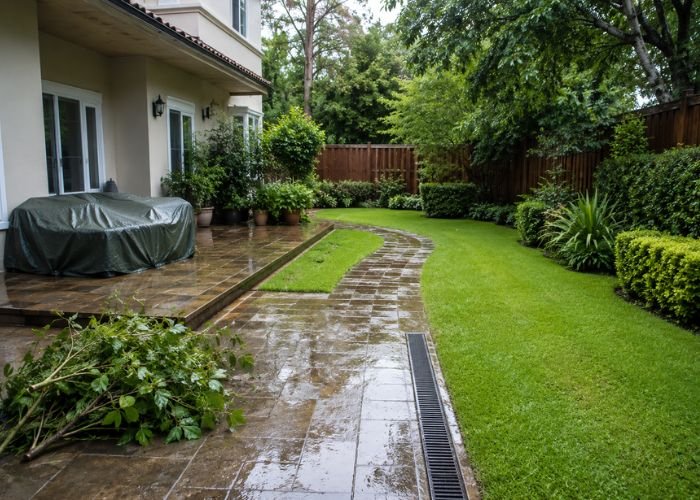
Heavy rain is often accompanied by strong winds.
Dead tree limbs can fall onto your roof, while clogged yard drains caused by leaves and debris can create standing water around your property.
Before the rainy season:
- Trim overhanging branches
- Remove dead trees when necessary
- Clear leaves from drainage areas
- Secure outdoor furniture and decorations
A little yard maintenance can go a long way toward protecting your home.
9. Inspect Your Crawl Space
If your home has a crawl space, don’t forget to include it in your seasonal inspection.
Excess moisture in crawl spaces can lead to:
- Mold growth
- Wood rot
- Pest infestations
- Poor indoor air quality
Look for standing water, damaged vapor barriers, or signs of excessive humidity. Addressing these issues before the rainy season can help protect your home’s structural components.
10. Schedule Preventative Waterproofing if Needed
Sometimes maintenance alone isn’t enough.
If your home has experienced recurring basement leaks, foundation seepage, or water intrusion during previous storms, preventative waterproofing may be the smartest investment.
Rather than waiting for the next heavy rainfall to expose the problem, have your home evaluated before storm season begins.
For homeowners on Long Island experiencing recurring basement leaks or foundation moisture, ACM Basement Waterproofing can provide a professional inspection and recommend waterproofing solutions tailored to your home’s specific needs.
Protect Your Home Before the Next Storm
Preparing your home before the rainy season doesn’t have to be overwhelming. A few hours spent inspecting gutters, grading, your roof, foundation, and basement can help prevent thousands of dollars in future repairs.
By staying proactive and addressing small maintenance issues early, you’ll not only protect your home’s value but also enjoy greater peace of mind every time the forecast calls for rain.


