
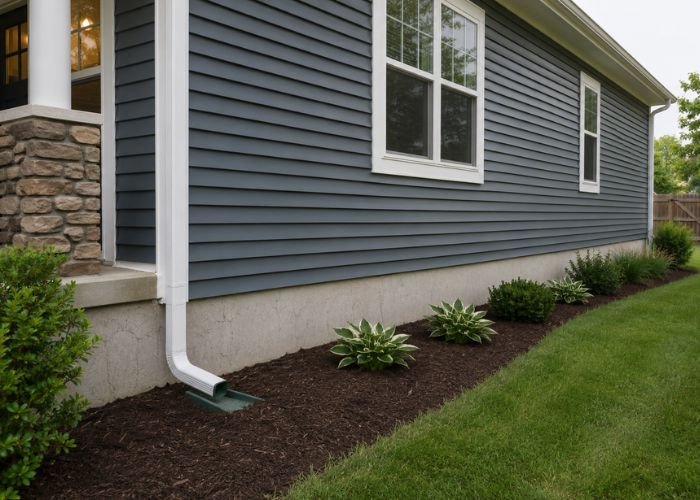
Your home’s foundation is designed to provide stability and support for everything built above it. While it’s easy to overlook because it’s mostly out of sight, even small foundation issues can become costly structural problems if left unchecked.
The good news is that foundation problems rarely appear overnight. They often begin with subtle warning signs that homeowners dismiss as normal settling or seasonal changes. Knowing what to look for can help you catch problems early, potentially saving thousands of dollars in repairs.
According to the Insurance Information Institute, water damage and freezing account for approximately 22.6% of all homeowners insurance claims, making moisture one of the most common threats to residential properties. Keeping water away from your home’s foundation is one of the best ways to reduce the risk of long-term structural damage.
1. Cracks in Interior Walls
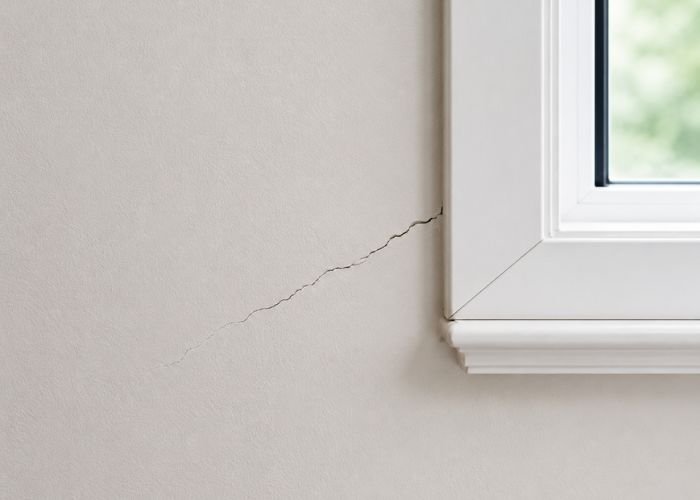
One of the first places homeowners notice foundation movement is inside the home.
Small hairline cracks in drywall can occur naturally as a house settles, but larger cracks or cracks that continue to grow deserve closer attention.
Pay particular attention to cracks that:
- Extend diagonally from doors or windows
- Continue across multiple walls
- Reappear after being repaired
- Are wider than 1/8 inch
These may indicate that part of the home’s foundation is shifting unevenly.
2. Exterior Foundation Cracks
Walk around your home every few months and inspect the visible foundation.
Not every crack is cause for alarm, but certain types deserve professional evaluation.
Watch for:
- Horizontal cracks
- Stair-step cracks in brick or block foundations
- Wide vertical cracks
- Cracks that appear to be growing over time
Foundation walls are designed to withstand tremendous pressure, but expanding soil, poor drainage, and hydrostatic pressure can eventually cause movement.
3. Doors and Windows That Suddenly Stick
Have you noticed that a door no longer closes properly or a window has become difficult to open?
Many homeowners assume this is simply due to humidity or an aging house. While that can sometimes be true, foundation movement can also cause door and window frames to shift out of square.
If several doors and windows begin sticking around the same time, it’s worth investigating further.
4. Uneven or Sloping Floors
Floors naturally develop slight imperfections over time, especially in older homes.
However, noticeable sloping or sagging floors can signal foundation settlement or structural movement beneath the home.
Warning signs include:
- Furniture that appears to lean
- Rolling objects moving across the floor
- Visible dips in flooring
- Soft or bouncy areas
These symptoms shouldn’t be ignored, particularly if they’ve developed recently.
5. Water Around the Foundation
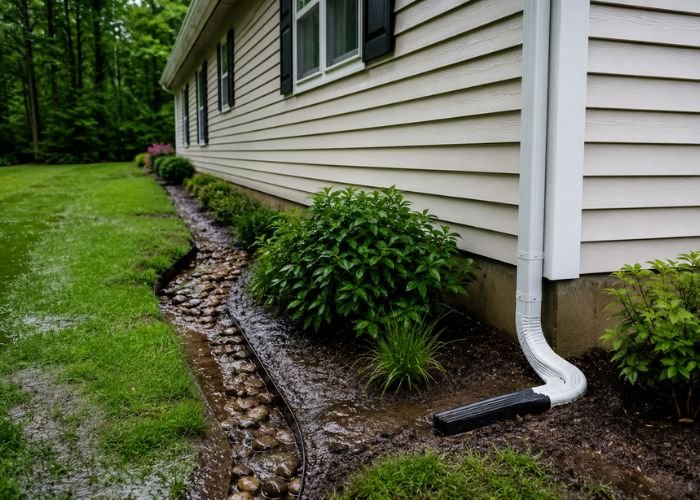
Water is one of the biggest contributors to foundation damage.
When rainwater repeatedly pools around your home’s foundation, the surrounding soil expands and contracts as moisture levels change. Over time, this movement places stress on foundation walls.
To reduce the risk:
- Clean gutters regularly.
- Extend downspouts away from the home.
- Maintain proper grading around your foundation.
- Address areas where standing water collects.
According to FEMA, just one inch of water inside a home can cause up to $25,000 in damage, making preventative maintenance significantly less expensive than emergency repairs.
6. Basement Moisture or Damp Walls
Foundation problems and basement moisture often go hand in hand.
Watch for early warning signs such as:
- Musty odors
- Water stains
- White mineral deposits (efflorescence)
- Damp concrete walls
- Mold or mildew growth
These symptoms don’t always mean the foundation is failing, but they often indicate that water is finding a way into your home.
If you live in the greater Newark area or elsewhere in New Jersey and notice these issues, Blue Umbrella Waterproofing can inspect your basement or foundation to identify the source of the moisture before it develops into a larger structural concern.
7. Gaps Around Doors, Windows, or Trim
Foundation movement can create small gaps where walls meet ceilings, around door frames, or between windows and exterior siding.
These gaps often develop gradually, making them easy to overlook.
Take photos every few months if you suspect movement. Comparing pictures over time can help determine whether changes are progressing.
Common Causes of Foundation Problems
Understanding what causes foundation damage can help homeowners prevent it before repairs become necessary.
Some of the most common causes include:
Poor Drainage
Improper grading or clogged gutters allow water to collect around the home’s perimeter, increasing pressure against foundation walls.
Expansive Soil
Certain soil types expand significantly when wet and shrink during dry periods. This repeated cycle places stress on foundations over many years.
Plumbing Leaks
Underground plumbing leaks can slowly saturate the soil beneath a home, causing sections of the foundation to settle unevenly.
Tree Roots
Large trees planted too close to the home may remove moisture from the soil or interfere with underground structures.
Seasonal Weather Changes
Heavy rainfall followed by extended dry periods causes continual soil movement, which may eventually affect the foundation.
When Should You Call a Professional?
Not every crack requires immediate repair, but it’s always better to investigate potential problems early.
Consider scheduling an inspection if you notice:
- Multiple warning signs appearing together
- Cracks that continue growing
- Water entering your basement
- Bowing foundation walls
- Uneven floors becoming more noticeable
An experienced inspection can often identify whether the issue is cosmetic or something requiring corrective action.
For homeowners throughout New Jersey—including Newark, Jersey City, Edison, Clifton, Hoboken, Elizabeth, and surrounding communities—Blue Umbrella Waterproofing provides foundation repair, basement waterproofing, and crawl space repair services designed to address problems before they become significantly more expensive.
Protect Your Home Before Small Problems Become Major Repairs
Foundation issues are much easier—and often far less expensive—to address when they’re caught early.
Performing regular inspections, maintaining proper drainage, and paying attention to subtle warning signs can go a long way toward protecting your home’s structural integrity.
If you ever notice changes that concern you, don’t wait for the next heavy rain or another season of settling. A professional evaluation can provide peace of mind and help prevent minor issues from turning into major repair projects.


