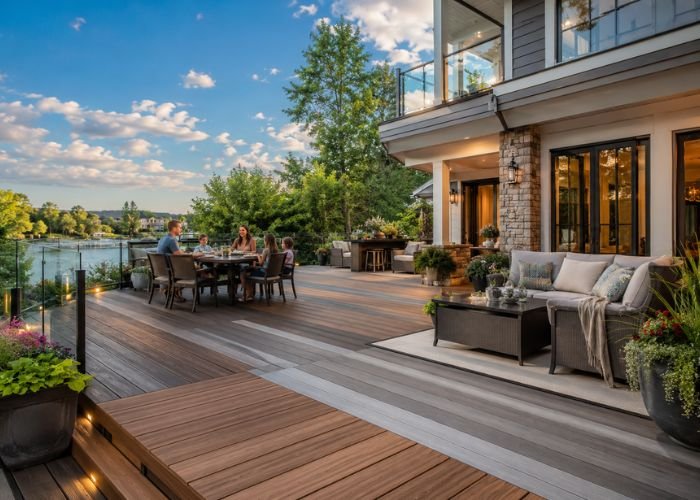
Thinking about replacing your old wooden deck or building a new outdoor living space? You’re probably asking the same question thousands of homeowners ask every year: Is composite decking really worth the investment?
Composite decking has become one of the fastest-growing alternatives to traditional wood because it promises long-lasting durability, minimal maintenance, and an attractive appearance without the constant sanding, staining, or sealing that wood requires. However, not all composite decking brands deliver the same performance.
Some products excel in color retention, scratch resistance, and warranties, while others may show signs of fading, expansion, or surface wear sooner than expected. That’s why reading composite decking reviews before making a purchase is one of the smartest steps you can take.
In this comprehensive guide, we’ve compared 12 of today’s most recognized composite decking brands based on their product features, warranty offerings, value, durability, and commonly reported homeowner experiences. Whether you’re planning a small backyard deck or a large outdoor entertainment space, this guide will help you choose the right option for your home and budget.
Quick Verdict: Best Composite Decking Brands at a Glance
| Category | Recommended Brand |
| Best Overall | Trex |
| Best Premium | TimberTech AZEK |
| Best Value | Fiberon |
| Best for Waterfront Areas | MoistureShield |
| Best Scratch Resistance | Deckorators |
| Best Eco-Friendly | Trex |
| Best Budget-Friendly | NewTechWood |
| Best Color Selection | Envision |
What Is Composite Decking?

Composite decking is a manufactured decking material made by combining recycled plastics with wood fibers, sawdust, or other natural materials. The result is a board that closely resembles natural wood but requires significantly less maintenance over its lifetime.
Most modern composite decking products feature a protective outer shell—often called a capped composite layer—that helps resist moisture, stains, mold, mildew, fading, and scratches.
Unlike pressure-treated lumber, composite boards don’t require annual sealing or painting. Many premium brands also include UV-resistant coatings that help preserve their original color for years.
While composite decking costs more upfront than traditional wood, many homeowners find the reduced maintenance and longer lifespan justify the higher initial investment.
Is Composite Decking Worth It?
For many homeowners, the answer is yes—but it depends on your priorities.
If you’re looking for a deck that requires very little maintenance and remains attractive for decades, composite decking is often an excellent long-term investment.
However, if your primary concern is minimizing upfront costs, pressure-treated lumber may still be the more economical choice.
Pros
- Minimal maintenance
- No annual staining or sealing
- Resistant to rot and insect damage
- Long lifespan
- Available in many colors and textures
- Doesn’t splinter like natural wood
- Often manufactured from recycled materials
- Excellent warranty coverage on premium brands
Cons
- Higher initial purchase price
- Can become warm in direct sunlight
- Some brands scratch more easily
- Repairs can be more difficult than wood
- Quality varies significantly between manufacturers
Overall, homeowners who prioritize durability and convenience generally report high satisfaction with quality composite decking products.
Composite Decking vs. Wood Decking

One of the biggest questions homeowners ask is whether composite decking is actually better than traditional wood.
Here’s a side-by-side comparison.
| Feature | Composite Decking | Wood Decking |
| Maintenance | Very Low | High |
| Lifespan | 25–50 Years | 10–20 Years |
| Painting Required | No | Yes |
| Sealing Required | No | Yes |
| Rot Resistance | Excellent | Moderate |
| Insect Resistance | Excellent | Moderate |
| Splintering | No | Yes |
| Upfront Cost | Higher | Lower |
| Long-Term Cost | Lower | Higher |
Although wood has timeless natural beauty, it requires considerably more maintenance over time. Composite decking often becomes more cost-effective over the long term because homeowners spend less on repairs, stains, sealants, and replacement boards.
How We Evaluated These Composite Decking Brands
Rather than focusing on marketing claims alone, this guide considers multiple factors that homeowners typically evaluate before investing in a deck.
Our comparison includes:
- Product durability
- Warranty coverage
- Color and design options
- Moisture resistance
- Fade resistance
- Scratch resistance
- Ease of maintenance
- Value for money
- Overall brand reputation
- Common homeowner feedback from publicly available sources
Individual experiences can vary depending on climate, installation quality, maintenance practices, and product selection, so it’s always important to review manufacturer specifications and consult a qualified installer for your project.
Composite Decking Reviews: Top Brands Compared
1. Trex
Best Overall Composite Decking
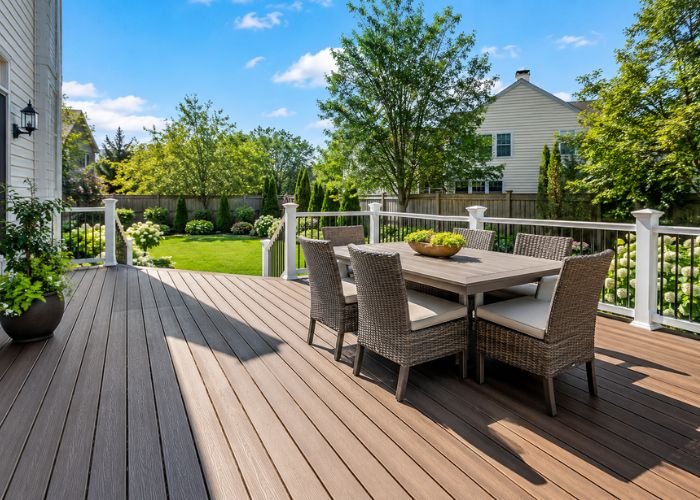
Trex remains one of the most recognizable names in the composite decking industry and is often considered the benchmark against which other brands are measured.
The company manufactures decking using a high percentage of recycled materials while offering multiple product collections designed for different budgets.
Pros
- Excellent long-term reputation
- Large selection of colors
- Strong fade resistance
- Wide installer network
- Extensive warranty coverage
- Environmentally conscious manufacturing
Cons
- Premium collections are expensive
- Dark colors may become warmer in direct sunlight
Best For
Homeowners looking for dependable long-term performance with a wide variety of style options.
Overall Rating: 9.7/10
2. TimberTech AZEK
Best Premium Composite Decking
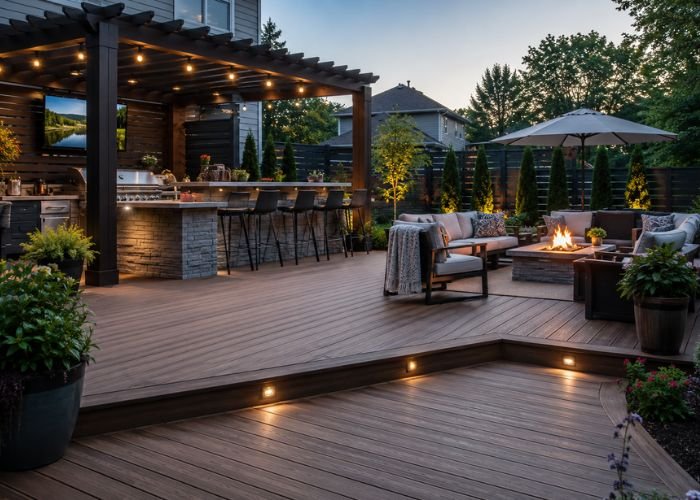
TimberTech AZEK is widely recognized for producing premium capped polymer decking that closely resembles natural hardwood.
Unlike many traditional composite boards, AZEK products contain little to no wood fiber, making them highly resistant to moisture.
Pros
- Beautiful wood-like appearance
- Excellent moisture resistance
- Minimal maintenance
- Outstanding warranty
- Superior fade protection
Cons
- Higher price point
- Installation costs may also be higher
Best For
Luxury outdoor living spaces where aesthetics and durability are top priorities.
Overall Rating: 9.6/10
3. Fiberon
Best Value for Money
Fiberon offers an excellent balance between affordability and performance.
The brand has expanded considerably over recent years and now provides multiple decking collections suitable for different budgets.
Pros
- Competitive pricing
- Attractive color choices
- Good warranty coverage
- Easy maintenance
- Reliable performance
Cons
- Premium collections cost significantly more
- Fewer premium texture options than some competitors
Best For
Homeowners seeking reliable performance without paying premium prices.
Overall Rating: 9.3/10
4. Deckorators
Best Scratch Resistance
Deckorators has built a strong reputation through innovative mineral-based composite technology.
Many homeowners appreciate its realistic wood textures and improved resistance to scratches and wear.
Pros
- Durable surface
- Excellent traction
- Attractive grain patterns
- Wide color selection
- Good structural stability
Cons
- Premium pricing
- Limited availability in some regions
Best For
Busy households with children, pets, and frequent outdoor entertaining.
Overall Rating: 9.2/10
5. MoistureShield
Best for Wet Climates
If your deck experiences heavy rainfall, humidity, or is located near a pool or waterfront, MoistureShield deserves serious consideration.
Its manufacturing process emphasizes moisture resistance, helping reduce water absorption.
Pros
- Excellent moisture resistance
- Performs well in humid climates
- Strong warranty
- Attractive finishes
- Low maintenance
Cons
- More expensive than budget brands
- Fewer style options than industry leaders
Best For
Coastal homes, lakeside properties, and humid environments.
Overall Rating: 9.1/10
6. NewTechWood
Best Budget Composite Decking
NewTechWood has become increasingly popular among homeowners looking for affordable composite decking without sacrificing appearance.
Its products feature realistic wood grain textures while remaining competitively priced.
Pros
- Affordable pricing
- Attractive finishes
- Easy installation
- Good weather resistance
- Multiple color choices
Cons
- Warranty is shorter than some premium competitors
- Limited premium collections
Best For
Budget-conscious homeowners who still want the advantages of composite decking.
Overall Rating: 8.9/10
Which Composite Decking Brand Is Right for You?
Choosing the right decking brand depends on more than price alone.
Consider factors such as:
- Your local climate
- Expected foot traffic
- Maintenance preferences
- Color options
- Warranty coverage
- Installation costs
- Long-term durability
- Overall project budget
For example, homeowners in hot southern climates may prioritize lighter deck colors that absorb less heat, while those living in rainy regions should focus on moisture resistance and slip performance.
Similarly, families with children and pets may benefit from products known for better scratch resistance and traction.
Investing a little more upfront in a high-quality product can often reduce maintenance costs and improve long-term satisfaction over the life of the deck.
7. Envision
Best for Rich Colors and Realistic Wood Grain
Envision is known for its vibrant color options and deeply textured boards that closely mimic the appearance of natural hardwood. The company offers several product collections designed for homeowners who want a premium-looking deck without the maintenance demands of wood.
Pros
- Rich, realistic wood grain
- Excellent color variety
- Durable capped surface
- Good fade resistance
- Comfortable underfoot
Cons
- Premium collections can be expensive
- Limited dealer availability in some areas
Best For: Homeowners who prioritize aesthetics and curb appeal.
Overall Rating: 8.8/10
8. Cali Bamboo
Best Eco-Friendly Alternative
Despite the name, Cali Bamboo’s composite decking products combine recycled materials with durable construction to create environmentally conscious decking solutions. The brand offers modern colors and hidden fastening systems for a clean finish.
Pros
- Eco-conscious manufacturing
- Attractive modern colors
- Low maintenance
- Hidden fastening compatibility
- Good warranty
Cons
- Smaller product range than larger brands
- Premium pricing on select collections
Best For: Sustainable home improvement projects.
Overall Rating: 8.7/10
9. WearDeck
Best for Heavy-Duty Applications
WearDeck is designed for exceptional strength, making it popular for commercial spaces, docks, and high-traffic residential decks. Its synthetic construction resists moisture, insects, and rot while providing excellent structural performance.
Pros
- Extremely durable
- Moisture resistant
- Suitable for heavy loads
- Long lifespan
- Minimal maintenance
Cons
- Higher cost
- Limited color selection
Best For: Commercial projects and high-traffic outdoor areas.
Overall Rating: 8.8/10
10. Barrette Outdoor Living
Barrette Outdoor Living offers composite decking with a focus on affordability and easy installation. It provides several attractive finishes suitable for homeowners upgrading from traditional wood decking.
Pros
- Affordable pricing
- Attractive finishes
- Easy maintenance
- Reliable performance
Cons
- Fewer premium collections
- Limited customization options
Best For: Standard residential deck projects.
Overall Rating: 8.5/10
11. Eva-Last
Eva-Last has gained popularity internationally for producing lightweight composite decking that performs well in varying climates. Many homeowners appreciate its modern appearance and UV-resistant finishes.
Pros
- Lightweight boards
- UV resistance
- Low maintenance
- Stylish finishes
Cons
- Limited availability in North America
- Smaller installer network
Best For: Contemporary outdoor living spaces.
Overall Rating: 8.6/10
12. DuxxBak
DuxxBak distinguishes itself with an innovative water-shedding profile that channels rainwater away from the deck surface. This design can help create a drier area beneath elevated decks.
Pros
- Water-shedding technology
- Durable construction
- Good weather resistance
- Low maintenance
Cons
- Higher installation cost
- Fewer color choices
Best For: Elevated decks and rainy climates.
Overall Rating: 8.5/10
Composite Decking Comparison Table
| Brand | Best For | Warranty* | Overall Rating |
| Trex | Best Overall | Up to 50 Years | ⭐⭐⭐⭐⭐ |
| TimberTech AZEK | Premium Homes | Up to 50 Years | ⭐⭐⭐⭐⭐ |
| Fiberon | Best Value | Up to 50 Years | ⭐⭐⭐⭐☆ |
| Deckorators | Scratch Resistance | Varies by Collection | ⭐⭐⭐⭐☆ |
| MoistureShield | Wet Climates | Limited Lifetime (selected lines) | ⭐⭐⭐⭐☆ |
| NewTechWood | Budget Buyers | Varies | ⭐⭐⭐⭐☆ |
| Envision | Appearance | Varies | ⭐⭐⭐⭐☆ |
| Cali Bamboo | Sustainability | Varies | ⭐⭐⭐⭐☆ |
| WearDeck | Heavy Duty | Long-Term Coverage | ⭐⭐⭐⭐☆ |
| Barrette Outdoor Living | Affordability | Varies | ⭐⭐⭐⭐ |
| Eva-Last | Modern Designs | Varies | ⭐⭐⭐⭐ |
| DuxxBak | Water Management | Varies | ⭐⭐⭐⭐ |
*Always verify current warranty terms with the manufacturer, as coverage differs by product collection and may change over time.
Common Homeowner Feedback
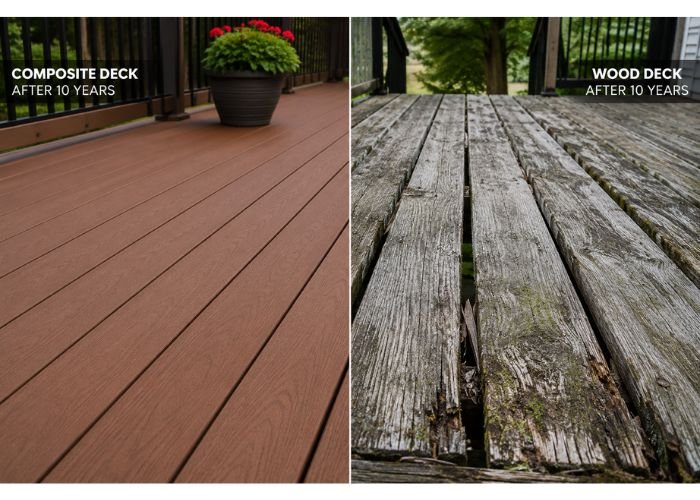
Across brands, several consistent themes emerge from homeowner and contractor discussions:
What Owners Like
- Very little routine maintenance compared to wood.
- No annual sanding, staining, or sealing.
- Attractive appearance that lasts for years.
- Resistance to rot, termites, and splinters.
- Excellent long-term value despite a higher upfront cost.
Common Complaints
- Dark-colored boards can become hot in direct sunlight.
- Surface scratches may occur if heavy furniture is dragged across the deck.
- Lower-quality products may fade faster than premium options.
- Improper installation can lead to board movement, drainage issues, or expansion problems.
Overall, satisfaction tends to be highest when homeowners choose a reputable brand and ensure the deck is installed according to the manufacturer’s recommendations.
Common Composite Decking Problems (and How to Avoid Them)
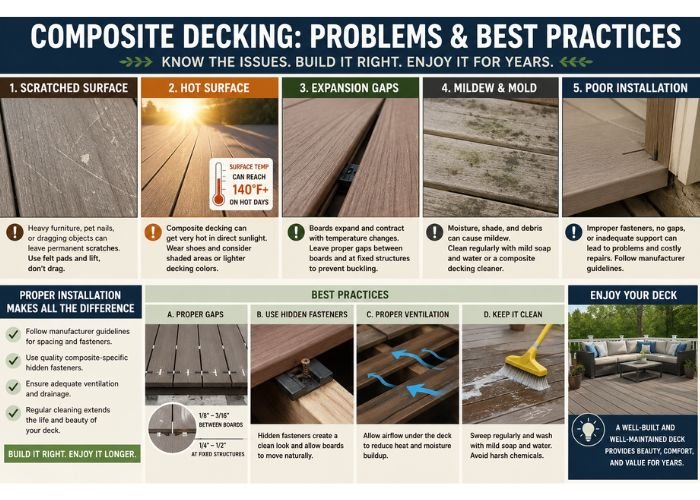
Even premium composite decking isn’t maintenance-free. Understanding potential issues can help you avoid costly mistakes.
Heat Retention
Composite decking can become warmer than natural wood during hot summer afternoons, especially darker colors.
Tip: Choose lighter shades if your deck receives full sun throughout the day.
Surface Scratches
Moving grills, furniture, or planters across the deck may leave surface marks.
Tip: Use furniture pads and lift heavy items instead of dragging them.
Expansion and Contraction
Composite materials naturally expand and contract with temperature changes.
Tip: Proper spacing during installation is essential for long-term performance.
Mold and Mildew
Although composite decking resists rot, debris trapped between boards can encourage mildew growth.
Tip: Sweep regularly and wash the deck periodically with manufacturer-approved cleaners.
Composite Decking Maintenance Tips

One of composite decking’s biggest advantages is its low-maintenance nature.
To keep your deck looking its best:
- Sweep away leaves and debris regularly.
- Wash with mild soap and water as needed.
- Clean spills promptly to minimize staining.
- Avoid using harsh chemicals unless recommended by the manufacturer.
- Keep gaps between boards free of debris to promote drainage.
- Use plastic shovels instead of metal ones when removing snow.
With routine care, many composite decks maintain their appearance for decades.
Composite Decking Buying Guide
Before choosing a brand, ask yourself these questions:
What’s Your Budget?
Entry-level composite decking offers good performance at a lower cost, while premium collections provide enhanced durability, textures, and longer warranties.
What Climate Do You Live In?
- Hot climates: Choose lighter colors with good heat performance.
- Wet climates: Prioritize moisture resistance.
- Snowy regions: Select products with excellent freeze-thaw durability.
How Much Maintenance Do You Want?
Most composite decking requires only occasional cleaning, but premium capped products generally resist stains and fading more effectively.
Which Style Matches Your Home?
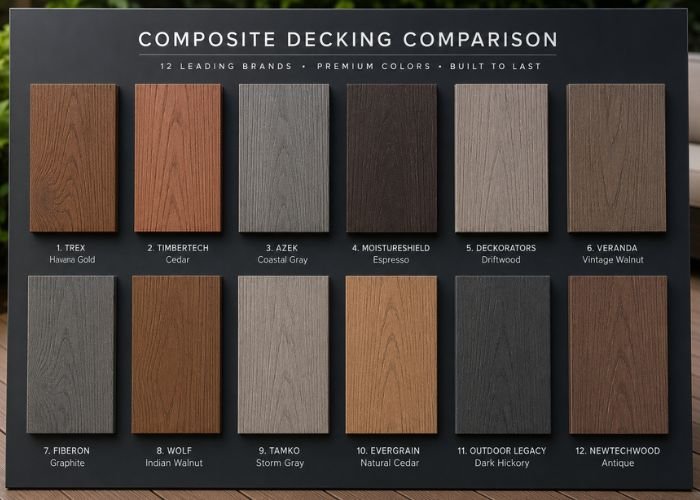
Modern composite decking comes in a wide range of colors and grain patterns—from contemporary gray tones to warm cedar and rich walnut finishes.
Frequently Asked Questions
Is composite decking better than wood?
For homeowners seeking low maintenance and long-term durability, composite decking is often the better choice. Wood may appeal to those who prefer a natural appearance and lower upfront costs but are willing to perform regular maintenance.
How long does composite decking last?
Depending on the product and installation quality, composite decking commonly lasts 25 to 50 years.
Does composite decking fade?
Premium capped composite decking is designed to resist fading, although slight color changes may occur during the initial weathering period.
Can composite decking be pressure washed?
Yes, many manufacturers allow pressure washing within recommended pressure limits. Always follow the specific cleaning instructions for your product.
Is composite decking slippery?
Most modern products feature textured surfaces that improve traction, but any outdoor surface can become slippery when covered with ice, algae, or standing water.
Can I install composite decking myself?
Experienced DIY homeowners can install many composite decking systems, provided they follow the manufacturer’s installation guidelines. Larger or more complex projects may benefit from professional installation.
Final Verdict
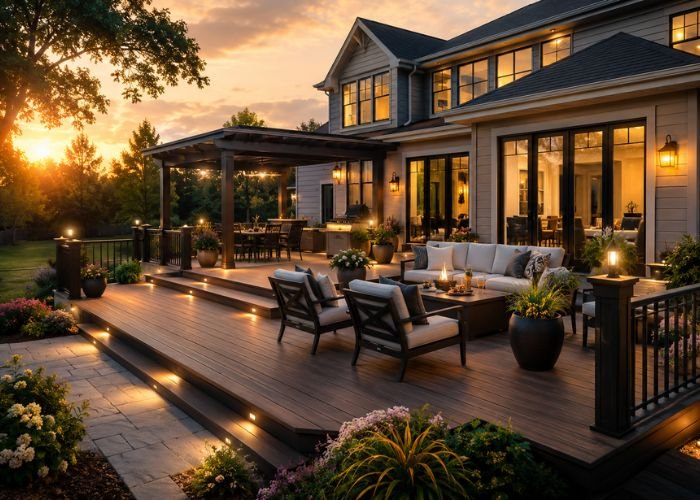
Composite decking continues to be one of the best long-term investments for homeowners who want a beautiful outdoor space without the ongoing maintenance associated with traditional wood decks.
While premium products require a higher initial investment, they often deliver better durability, stronger warranties, and lower maintenance costs over time.
If you’re looking for the best overall composite decking, Trex remains an excellent all-around choice thanks to its proven performance, wide product range, and strong reputation. Homeowners seeking luxury finishes may prefer TimberTech AZEK, while Fiberon offers impressive value for those balancing quality and budget.
Ultimately, the best composite decking is the one that aligns with your climate, lifestyle, aesthetic preferences, and budget. By investing in a reputable brand and ensuring proper installation, you can enjoy a durable, attractive deck that enhances your outdoor living space for many years to come.