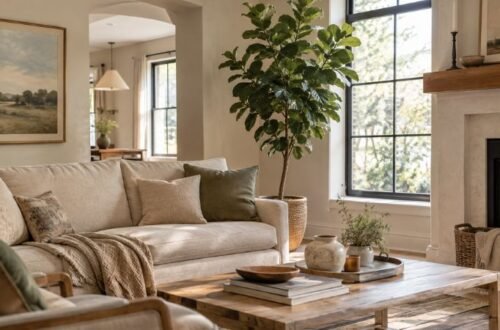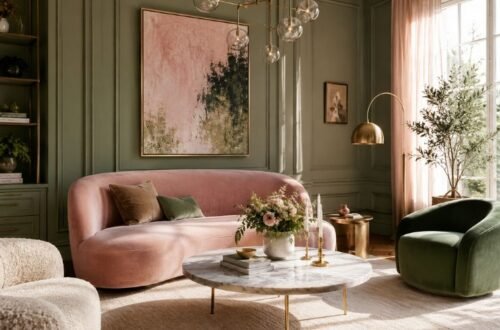
The dream of a roomy sofa and a matching loveseat usually collides with the reality of a room that was never that big to begin with, so oversized couches and loveseats do not have to fight the floor plan, because a few layout tricks let you enjoy the seating without losing the space.
I have styled small living rooms where the client refused to give up the big seat, and we made it work every time. The secret was never the furniture alone. It was how the pieces related to the walls, the light, and the path through the room. Comfort and proportion can share a small space if you plan the relationship first. That planning is exactly what most people skip when they buy the set they saw in a showroom. That is why so many small rooms end up feeling smaller than they should for the rent they pay each month to live there.
Let the Loveseat Do a Different Job
A common mistake is buying a sofa and loveseat as a matching set and pushing both against the walls of the room. In a small space, that wastes the middle and still feels cramped by the end of the day. I split the jobs instead of lining them up like soldiers. The sofa faces the TV or the window where the light is best. The loveseat angles into a reading nook or tucks under a window with a plant beside it. Each piece earns its place through the way you actually use the room. The layout reads as layered rather than lined up against the paint. You keep the seating you wanted and gain a sense of purpose in the plan. That is worth more than the matching look most sets are sold on by the retailer.
Float the Furniture Off the Wall
Pulling the sofa even a foot off the wall sounds like it takes space, but it often returns more than it costs in the room. The room reads as designed rather than staged by a stranger who never lived there. You can slip a slim console or a plant behind the piece to fill the gap with purpose. I use this move constantly in tight rooms where every inch counts toward the feel. The small gap tricks the eye into seeing depth where there was none before. The loveseat can float too, defining a zone without a wall to anchor it. Floating turns a flat lineup into a real arrangement the eye can travel through. The space feels bigger for the effort, even though the tape measure says nothing changed at all in the dimensions.
Pick Legs That Show the Floor
Bulky means grounded, and grounded means heavy in the eye of anyone who walks in. Choosing pieces with visible, slim legs lets the floor continue beneath the furniture instead of stopping at the base. That visually opens the room to the light that comes through the window. I avoid skirted bases in small spaces for exactly this reason, because they close off the view under the frame. Light passing under the piece makes even a large couch feel like it hovers rather than sits with all its weight. It is a small detail with an outsized effect on how open the room feels to a guest. It pairs perfectly with the big seat comfort you came for in the first place. You keep the coziness without the weight that drags the room down.
Color and Scale Play Together
In a compact room, a pale sofa and loveseat in the same tone as the walls reduce visual noise to almost nothing. They make the pieces feel like part of the architecture rather than objects dropped in by a truck. I use this when the client wants maximum seating with minimum weight on the eye. A darker pair can work too, but it anchors hard and can close the room if the ceilings are low. I reserve it for rooms with height to spare and light to burn through the day. The scale of oversized seats is a feature you paid for with the floor plan. The color decides whether that feature calms the room or crowds it against the walls. Choose the tone as carefully as the size, because the two together decide how the space reads to a visitor.
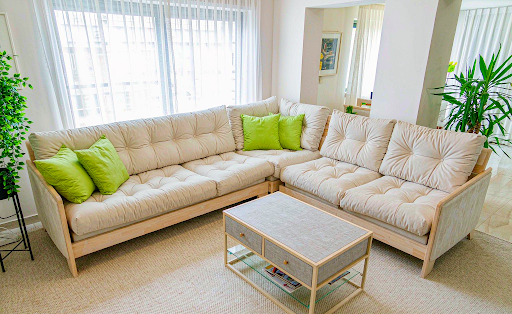
Use the Corner, Free the Middle
A sectional or an L shaped pairing claims the corner and leaves the center open for walking and playing with the kids. I like this for families who need the seats but hate the clutter of free floating blocks. The seating hugs the edge and the room stays usable through the busiest part of the day. The loveseat can become the short arm of the L without a second free piece taking up the floor. You get oversized comfort without a separate block fighting the plan. The middle stays clear and the seating stays generous for the people who live there. The small room finally breathes through the afternoon. It is the most efficient way I know to have the seats and the space at the same time.
Edit Everything Around Them
Big seating exposes clutter faster than small seating does in a room that gets used. I keep the surround lean so the eye rests on the furniture you chose. A rug that anchors without a busy pattern keeps the floor calm under the seats. One or two side tables instead of a row along the wall does the job without crowding the path. Art that does not compete with the sofa lets the piece be the star of the room. The couch and loveseat are the stars, so the supporting cast stays minimal by design. This restraint is what makes a small room with big seats feel calm instead of cramped by the end of the week. Less around the furniture lets the furniture give the comfort it promised when you bought it on a whim.
Why the Tricks Beat the Tradeoff
Most people assume they must choose between the seats they want and the room they have to live in. The tricks above remove that choice from the table entirely. Float the pieces off the wall, show the floor under them, use the corner for the L, and edit the rest with a firm hand. The oversized couch with its loveseat fits a space you thought was too small for both. You keep the comfort and recover the room for the family to use. That is the whole point of decorating with intention rather than fear of the tape measure. It works in rooms of every size, not only the generous ones architects draw for magazines. Intention scales down far better than square footage ever does when the budget is tight and the room is small to begin with.
Give the big seats a thoughtful relationship to the room, and the small footprint takes care of itself. Comfort and space stop being rivals. The room finally feels like it was built around the way you actually live, not the way a catalog posed it for the camera in a studio that was twice the size of yours.