A small backyard can feel a bit frustrating, not going to lie. It looks fine when it’s empty, but the moment anything gets added — a chair, a table, a few plants — it suddenly feels like there’s no space left.
And then it just stays that way. Slightly cramped, slightly awkward, not really somewhere you want to spend time in.
But it’s not always about the size.
Some small yards actually feel really nice to be in. Not big, but not uncomfortable either. Just… easy. The kind of space where everything feels like it belongs.
That usually comes down to how things are placed, not how much space there is.
Make the Most of Structure and Layout
The way things are arranged matters more than most people expect.
If everything is just placed wherever there was space at the time, it starts to feel messy. Not in a visual way exactly, but more like nothing has a clear purpose.
Even small spaces need a bit of structure.
Not in a strict, planned-out way, just enough to separate things. A spot for sitting, maybe a path that naturally leads somewhere, even if it’s just from one corner to another.
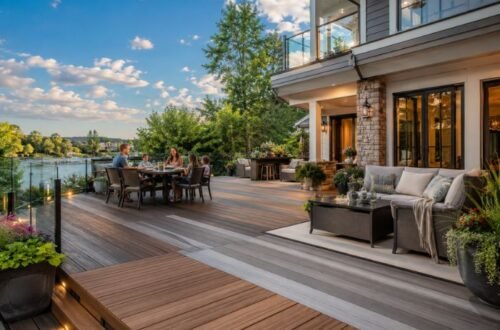
Subtle things help with that. Stone edges, small paved sections, or even just a different surface under a seating area. That kind of hardscaping doesn’t stand out too much, but it quietly makes the space feel more organized.
Choose Things That Actually Earn Their Place
In a small backyard, space runs out quickly. That part becomes obvious fast.
So it helps if whatever goes in… earns its place.
Not everything needs to be decorative. It’s better when things serve more than one purpose, even if it’s something simple.
A bench that opens up for storage. A table that folds away when it’s not being used. Seating built along a wall instead of sitting in the middle.
These aren’t big design ideas, just practical ones.
And they make it easier to use the space without constantly adjusting things.
Look Up Instead of Out
When there’s not much room on the ground, the only other option is up.
Walls and fences end up being more useful than expected.
Plants especially work well this way. Hanging pots, small vertical planters, or even something that climbs naturally can fill the space without taking over.
It also changes how the yard feels.
Instead of everything being packed into one level, there’s a bit more dimension to it. The eye moves around more, not just side to side.
It’s a small shift, but it makes the space feel less tight.
Don’t Try to Add Everything
This is usually where things start going wrong.
Trying to fit in too much.
It makes sense in the beginning — wanting seating, plants, maybe lighting, maybe something decorative — all of it.
But in a smaller yard, it doesn’t take much before it starts feeling like everything is competing for space.
And once that happens, nothing really stands out anymore.
Leaving some areas empty helps more than expected.
Not completely empty, just not filled for the sake of filling them.
That breathing space makes everything else feel better.
Lighting Changes the Mood More Than the Space
Lighting doesn’t take up much room, but it changes how everything feels.
Especially at night.
During the day, the space is what it is. But once it gets darker, lighting can make it feel completely different.
Soft lighting works best here.
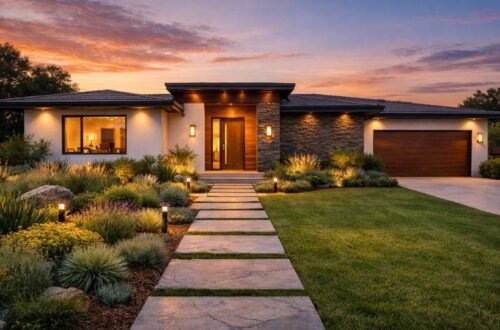
Not too bright, just enough to make the space usable and comfortable. Along a path, near seating, maybe around the edges.
String lights, small lanterns, or low ground lighting — nothing complicated.
It’s less about visibility and more about atmosphere.
Plants Help, But Not When There Are Too Many
Plants make any space feel better. That part is easy.
But in a small backyard, it’s easy to overdo it.
Too many plants, especially larger ones, start taking over the space.
And then it feels crowded again.
So it’s more about choosing a few that actually fit, instead of adding as many as possible.
Using pots instead of planting everything directly also makes it easier to move things around when needed.
Different heights help too. Not everything at the same level.
It adds variety without adding clutter.
Give the Space One Thing to Focus On
Without a focal point, everything can feel a bit scattered.
Like nothing really stands out, and the space doesn’t have a clear purpose.
It doesn’t have to be anything big.
A small fire pit, a slightly larger plant, or even just a seating area that feels central.
Once that’s there, everything else naturally falls into place around it.
And the space starts to feel more intentional without trying too hard.
Make Sure It’s Easy to Move Around
This part gets overlooked a lot.
But if it’s not easy to walk through the space, it won’t feel comfortable.
Even if everything looks good.
Keeping pathways open helps.
Not placing large items in the way, leaving enough room to move without adjusting things every time.
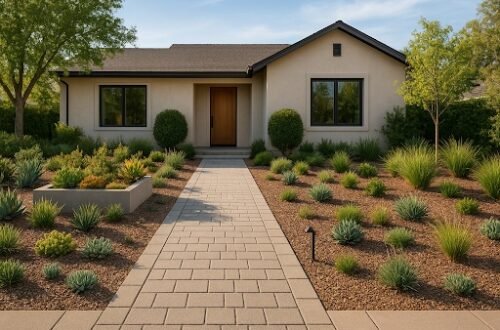
Even something simple like stepping stones can guide movement without taking up much space.
And it makes the yard feel more usable overall.
Add Personality, But Keep It Light
It still needs to feel like your space.
Otherwise it just ends up looking like something from a catalog.
Small touches help — cushions, a few decor pieces, maybe something personal.
But it’s easy to go too far here too.
Too many details, and it starts feeling cluttered again.
So it’s more about choosing a few things that actually matter instead of filling space just because it’s there.
A small backyard doesn’t need a full transformation to feel better.
Most of the time, it’s just small changes. Moving things around, removing what doesn’t work, adding things that actually make sense.
It’s not about making the space bigger.
It’s about making it easier to use.
And once that happens, it stops feeling like a “small backyard” and just starts feeling like a space that works.