If your mailbox has ever been left wide open after a delivery, or if you’ve discovered missing letters or packages, you’re not alone.
Mail theft is one of the fastest-growing property crimes in the United States. According to the U.S. Postal Inspection Service, hundreds of thousands of mail theft complaints are filed every year — and that number doesn’t include unreported incidents.
Whether you receive important documents, financial statements, prescription medications, or online orders, your mailbox is a critical access point to your personal information.
That’s why more homeowners are upgrading to locking mailboxes.
A high-quality locking mailbox can:
- Prevent identity theft and mail fraud
- Protect packages and valuable deliveries
- Deter opportunistic criminals from targeting your property
- Add curb appeal with modern, durable designs
- Provide peace of mind when you’re traveling or away from home
But here’s the key difference between a basic locked box and a truly secure mail solution:
Smart selection and proper installation.
Whether you’re building a new home, replacing an outdated mailbox, or simply upgrading your property’s security, this guide will help you make the right choice for your needs and budget.
Before You Buy: How to Choose a Locking Mailbox the Right Way
Before browsing products, you need to understand what type of locking mailbox works best for your property and delivery method.
This is where many homeowners make mistakes — and where you can make a smarter investment.
1. Understanding USPS Regulations for Locking Mailboxes
The U.S. Postal Service does allow locking mailboxes — but with important requirements
Key USPS Rules for Residential Locking Mailboxes:
- The incoming mail slot must be large enough to accommodate normal daily mail volume
- The USPS-approved mailboxes by the Postmaster General
- Carriers cannot accept keys for private locks, so the design must allow deposit without access
- Height and placement must follow standard curbside or wall-mount guidelines
Pro Tip: Always verify that your chosen locking mailbox carries official USPS approval. U.S. Mail Supply specializes in USPS-compliant units that meet all federal delivery standards
2. Choosing the Right Mounting Style
Not every locking mailbox works for every home. Your choice depends on:
Property Layout
- Curbside delivery → Post-mount or pedestal locking mailbox
- Wall-mounted near front door → Recessed or surface-mount locking unit
- Multi-unit building → Cluster Box Unit (CBU) with individual locks
Security Needs
- Basic protection → Standard keyed-lock residential mailbox
- High-security needs → Anti-pry latch, reinforced steel, tamper-resistant design
- Package protection → Locking mailbox with expanded parcel compartment
Aesthetic Preferences
- Traditional homes → Decorative locking mailbox in bronze or black finish
- Modern homes → Sleek stainless steel or contemporary design
- HOA communities → Style-compliant units that meet community guidelines
3. Budget Considerations (2026 U.S. Estimates)
| Mailbox Type | Average Cost | Best For |
| Basic post-mount locking mailbox | $80–$200 | Standard residential security |
| Heavy-duty anti-theft locking mailbox | $200–$500 | High-crime areas or valuable mail |
| Wall-mount locking mailbox | $100–$300 | Urban homes or porch delivery |
| Cluster Box Unit (per tenant) | $150–$400 | Apartment complexes, HOAs |
| Smart/connected locking mailbox | $300–$800+ | Tech-integrated home security |
Costs vary by material, brand, installation complexity, and regional pricing.
7 Essential Features to Look for in Locking Mailboxes
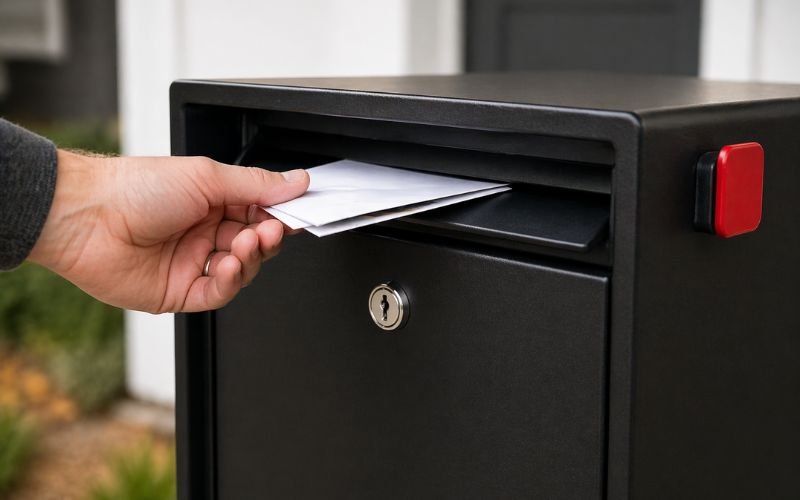
To truly protect your mail, focus on these critical design elements.
1. Secure, Tamper-Resistant Locking Mechanism
A quality locking mailbox should feature:
- A durable keyed lock (or optional combination lock)
- Anti-pry latches to prevent leveraged entry
- Internal baffles that prevent “fishing” attacks through the mail slot
2. Weatherproof, Durable Construction
Your mailbox faces rain, snow, sun, and temperature swings. Look for:
- Powder-coated steel, aluminum, or stainless steel bodies
- Rust-resistant hardware and hinges
- Sealed seams to prevent water intrusion
Durable, weatherproof construction ensures your locking mailbox protects mail from both theft and the elements
3. Ample Capacity for Modern Mail Volume
Today’s deliveries include more than just letters. Choose a locking mailbox with:
- Space for magazines, catalogs, and small parcels
- Optional parcel compartments or hopper-style doors for package delivery
- Easy-to-open interior access for retrieval
Ample capacity prevents mail from jamming the slot or getting stuck — which can signal to thieves that your box is unattended
4. Easy Access for You, Restricted Access for Others
The best locking mailboxes balance security with convenience:
- Rear-access doors for easy retrieval without opening the front
- Smooth-locking mechanisms that won’t jam in cold weather
- Duplicate keys or re-keyable locks for household members
Easy mail access ensures you’ll actually use the security features — rather than leaving the box unlocked out of frustration
5. Curb Appeal That Complements Your Home
Security doesn’t mean sacrificing style. Many locking mailboxes offer:
- Multiple finish options (black, bronze, stainless, white)
- Decorative posts, caps, and address plaque integration
- Architectural designs that match traditional or contemporary homes
A well-designed locking mailbox enhances your property’s first impression while protecting your privacy
6. USPS-Compliant Dimensions and Placement
To ensure uninterrupted mail delivery:
- Verify slot size meets USPS minimums for carrier deposit
- Confirm height requirements: 41–45 inches from road surface to bottom of mailbox
- Allow 6–8 inches of clearance from curb face to mailbox door
Non-compliant installations can result in missed deliveries or fines — always check local postal guidelines before installation
7. Simple Installation and Maintenance
Consider long-term usability:
- Pre-drilled mounting holes and clear instructions
- Compatibility with standard posts or wall brackets
- Low-maintenance finishes that resist fading and corrosion
Mailboxes that are easy to install and maintain deliver better long-term value and security
Types of Locking Mailboxes: Which Is Right for Your Home?
Post-Mount Locking Mailboxes (Curbside Delivery)
Best for: Single-family homes with curbside USPS delivery
Average Cost: $100–$400
Security Level: High (when properly installed)
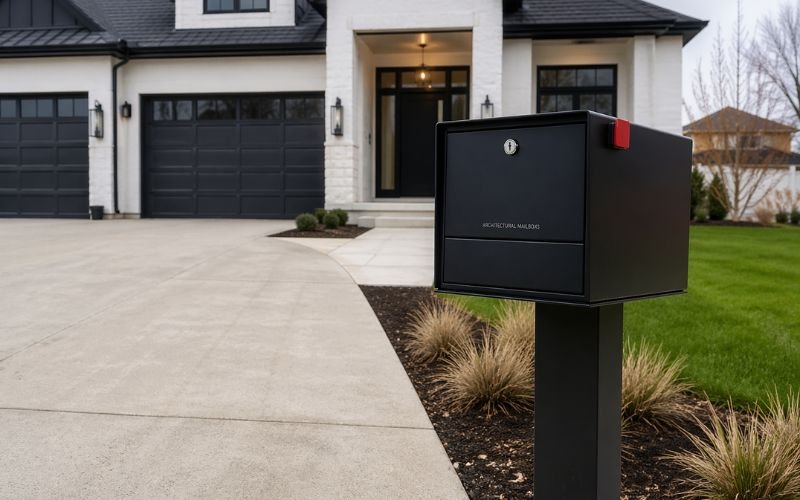
Post-mount locking mailboxes attach to a dedicated post at the edge of your property. They typically feature:
- Top- or front-loading mail slots for carrier access
- Rear or side doors with keyed locks for retrieval
- Optional parcel compartments for small packages
Installation Tip: Set posts in concrete for maximum stability, and ensure the mailbox height meets USPS standards to avoid delivery issues.
Wall-Mount Locking Mailboxes (Porch or Entryway)
Best for: Urban homes, townhouses, or properties with porch delivery
Average Cost: $80–$300
Security Level: Moderate to High
Wall-mount units attach directly to your home’s exterior wall or porch column. Benefits include:
- Protection from weather and direct sunlight
- Integration with home security cameras or lighting
- Easy access without walking to the curb
Many wall-mount locking mailboxes can be recessed into the wall for a clean, built-in appearance that deters tampering.
Cluster Box Units (CBUs) for Multi-Unit Properties
Best for: Apartment complexes, condominiums, HOAs, office parks
Average Cost: $150–$400 per tenant compartment
Security Level: Very High (centralized, monitored)
Cluster Box Units consolidate mail delivery for multiple addresses into one secure, USPS-approved structure. Features include:
- Individual locked compartments for each resident
- Master access for postal carriers and property managers
- Optional parcel lockers for secure package delivery
CBUs reduce theft risk by centralizing delivery in a monitored location and eliminating exposed individual mailboxes
High-Security & Specialty Locking Mailboxes
Best for: High-value mail, frequent travelers, or high-crime areas
Average Cost: $300–$800+
Security Level: Maximum
These premium units offer advanced protections:
- Reinforced steel bodies resistant to drilling and prying
- Anti-fish baffles and dual-locking mechanisms
- Optional smart features like delivery alerts or remote monitoring
For homeowners who prioritize maximum security, investing in a high-security locking mailbox provides unmatched peace of mind
How to Install a Locking Mailbox: Step-by-Step Guide
Proper installation ensures both security and USPS compliance.
For Post-Mount Locking Mailboxes:
- Check local regulations for height, setback, and post requirements
- Dig a post hole 20–24 inches deep; add gravel for drainage
- Set the post in concrete, ensuring it’s plumb and at correct height (41–45″ to mailbox bottom)
- Attach the mailbox using provided hardware; verify the lock operates smoothly
- Test carrier access by simulating mail insertion through the slot
- Add reflective tape or address plaque for visibility and compliance
For Wall-Mount Locking Mailboxes:
- Locate wall studs or use appropriate anchors for masonry surfaces
- Mark mounting holes using the mailbox template; ensure level placement
- Drill pilot holes and secure the unit with corrosion-resistant screws
- Test the lock and verify the mail slot is easily accessible for carriers
- Seal edges with weatherproof caulk to prevent water intrusion
For Cluster Box Units (Professional Installation Recommended):
CBUs require precise anchoring, electrical work (for lighting), and USPS approval. Always work with a qualified installer or contact U.S. Mail Supply for customized CBU solutions and installation guidance
Locking Mailboxes and Your Home Security Ecosystem
A locking mailbox isn’t just a standalone upgrade — it’s a strategic component of your overall property security.
How Locking Mailboxes Complement Other Security Measures:
- Security Cameras: Position a doorbell or outdoor camera to monitor mailbox access
- Motion Lighting: Install lights near the mailbox to deter nighttime tampering
- Smart Home Integration: Pair with smart locks or alerts for delivery notifications
- Landscaping Strategy: Keep shrubs trimmed near the mailbox to eliminate hiding spots
Identity Theft Prevention
Mail theft is a leading source of identity fraud. By securing your mailbox, you protect:
- Bank statements and credit card offers
- Tax documents and government correspondence
- Prescription information and medical records
- Personal letters containing sensitive data
Upgrading to a locking mailbox is one of the most cost-effective steps you can take to safeguard your identity
Common Mistakes to Avoid When Buying Locking Mailboxes
- Choosing style over security: A decorative mailbox is useless if it can be pried open in seconds
- Ignoring USPS regulations: Non-compliant units may result in missed deliveries
- Underestimating capacity needs: Oversized mail can jam slots or force the door open
- Skipping proper installation: A loose post or poorly mounted unit compromises security
- Forgetting maintenance: Lubricate locks annually and inspect for rust or damage
Avoiding these mistakes ensures your locking mailbox delivers long-term protection and value.
Frequently Asked Questions (SEO Gold Section)
Q: Does USPS allow locking mailboxes for residential delivery?
A: Yes, the USPS allows locking mailboxes as long as they meet size, slot, and placement requirements and are approved by the Postmaster General
Q: Can the mail carrier deposit mail in a locking mailbox?
A: Yes. Locking mailboxes are designed with a secure deposit slot that allows carriers to insert mail without needing a key. Only the homeowner can retrieve mail using their key
Q: Are locking mailboxes worth the investment?
A: Absolutely. With mail theft on the rise, a locking mailbox provides critical protection for personal information, financial documents, and packages — often for less than $200
Q: Can I install a locking mailbox myself?
A: Many post-mount and wall-mount locking mailboxes are DIY-friendly with basic tools. For complex installations or CBUs, professional installation is recommended
Q: What if my locking mailbox gets damaged or the key is lost?
A: Most quality locking mailboxes offer replacement keys or re-keyable locks. Contact the manufacturer or supplier like U.S. Mail Supply for support
Q: Do locking mailboxes work for package delivery?
A: Standard locking mailboxes accommodate small parcels. For larger packages, consider units with expanded compartments or hopper-style doors designed for parcel security
Conclusion: Secure Your Mail, Protect Your Peace of Mind
In an era of rising identity theft and package theft, your mailbox deserves the same security attention as your front door.
Locking mailboxes offer a simple, affordable, and highly effective solution to protect your personal information and deliveries.
Whether you choose:
- A classic post-mount locking mailbox for curbside delivery
- A sleek wall-mount unit for porch security
- A Cluster Box Unit for multi-family properties
- Or a high-security model for maximum protection
The right locking mailbox enhances your home’s security, curb appeal, and long-term value.