
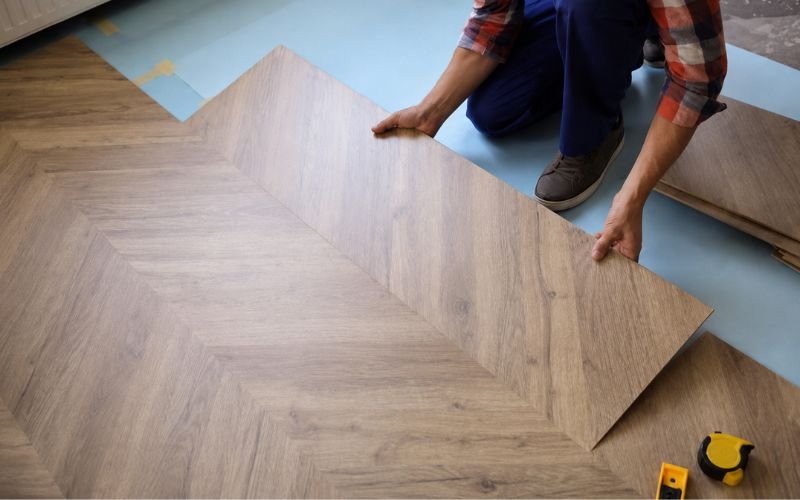
The flooring in rental properties is often damaged. From moving furniture to scratches and abuse from pets and everyday wear and tear, the floors don’t take long to show how much damage they have sustained. If you have walked through a unit before a tenant moves in and were shocked by how bad the floors looked, you probably know how that feels.
As a landlord, replacing your floors is one of the most beneficial investments you will make. A new floor will help you to attract quality tenants, justify charging more rent, and save on routine maintenance costs down the road. If you have thought about upgrading your rental unit’s flooring, this could be the sign you were waiting for. Read on as we discuss essential reasons to replace the flooring in a rental unit.
3 Reasons to Change the Flooring of a Rental Home
- Boosting Property Value
Great flooring enhances your home’s aesthetic appeal and directly affects your property value. When potential renters see well-maintained, modern flooring, their first impressions are positive, making them more willing to pay higher rent. The right flooring option can improve your property’s marketability and property value.
New flooring is a great way to increase a property’s overall market value if you plan to resell. Worn, old flooring can lower your appraisal value, while new, high-quality flooring will increase your value as an investment. Instead of viewing the new flooring as an expense, see it as an investment that will only get better over time. New floor installation can help you achieve a stronger, longer-term return on your investment.
- Addressing Wear and Tear Issues
Flooring is one of the hardest-working surfaces in any rental, and it shows. High-traffic areas will have scuff marks, scratches, and stubborn stains that cannot be removed by cleaning. Carpets tend to absorb odors, while hardwood floors have deep cuts from heavy foot traffic, and vinyl floor coverings have edges that are starting to come apart from heavy use. Vinyl starts peeling at the edges. It’s just the reality of having tenants cycle through your property. Seek help from a local Northern Virginia rental manager to coordinate with trusted contractors with cost-effective quotes for your property.
Patching and spot cleanings have their limits. When the damage is widespread throughout the property, or the flooring makes your apartment look neglected, replacement is the better choice for both the property’s value and your ability to attract good tenants. Wear and tear are inevitable; keeping up with them will keep your rental property competitive. Recognizing when to stop repairing and to start replacing is one of the smartest decisions that you will make as a landlord.
- Meeting Common Tenant Lifestyle Needs
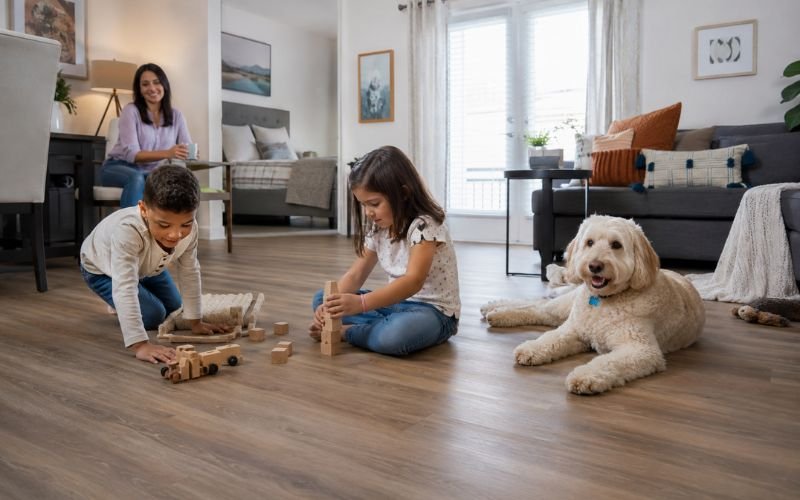
Your tenants’ lives happen on your floors. The type of life each tenant has impacts the type of floor they will have in their rental unit. Families with young children require surfaces that can endure spills and frequent foot traffic. Pet owners want floors that don’t retain pet odors or show every scratch.
The truth is, a one-size-fits-all approach to flooring rarely works in rental properties. Anything that worked for your previous tenant may not work for your next tenant, and having old or worn flooring will probably be the reason you lose good tenants to a rental listing. Choosing flooring that fits modern-day renters is more than common sense; it is smart business. When you have a space that looks functional and well-maintained, the right tenants notice, and they’re far more likely to stay.
Practical Considerations Before Replacing Flooring
Balance Cost vs Return
Before removing your current flooring and shopping for new flooring, take your time and consider the actual cost. To be honest, not every upgrade guarantees a return on your investment. Sometimes, spending a lot of money on premium materials in a mid-range property can be a poor financial decision.
You should start by considering what you charge for your rental properties and the kind of tenants they attract. Luxury vinyl planks are a durable, affordable option to hardwood flooring and offer a much higher return on investment than hardwood. It is cheaper to install, has less maintenance, and will leave your tenants more satisfied. The objective is not to find the lowest-cost option, but to find the best option for your needs.
Establish a Maintenance Plan
New flooring won’t stay new without a plan to protect it. Before your next tenant moves in, take time to consider the ongoing maintenance required for the flooring product you selected, as different types require different care.
Hardwood floors will need to be refinished from time to time. Vinyl and laminate are easy to care for but can suffer water damage if spills are not cleaned up promptly. Tile grout needs to be sealed to stay clean and resist staining. Basic maintenance does not require anything complicated. You should provide your tenants with simple instructions for maintaining the floors, including in the lease, so they know what to expect from the start of their tenancy. You should also observe the condition of the property in between tenancies to identify and repair minor items before they require costly major repairs. A little proactive planning will help protect your investment for a long time.
Conclusion
Installing new flooring in a rental unit can be a lot of work, but it does not have to be difficult. If your prospective tenants see clean, durable, and appropriate floors for your intended use, they will be much more likely to rent your space.
Investing in new flooring will also benefit your long-term rental property value. By making careful investments and having a solid plan for your renovation, your rental will improve significantly with upgraded flooring.


