Key Takeaways
- The right fence begins with its main purpose, whether that is privacy, pet containment, security, appearance, or livestock control.
- Wood, vinyl, chain link, aluminum, ornamental metal, and agricultural fencing each solve different property needs.
- Indiana soil, drainage, rain, and freeze-thaw cycles should influence post setting, material selection, and gate planning.
- Long-term maintenance matters just as much as the initial installation cost.
- Property lines, underground utilities, local regulations, and access needs should be reviewed before installation begins.
Choosing a fence starts with how the property needs to work, not simply with a preferred color or panel style. A backyard privacy enclosure, a dog run, a commercial perimeter, and a rural livestock fence each call for different materials, heights, gate layouts, and installation details. For property owners comparing local options, fence company in Huntington, IN, Pinnacle Fence provides a useful example of the decisions involved in residential and commercial fencing. Based in Fort Wayne and serving Huntington and nearby northeast Indiana communities, Pinnacle Fence installs and repairs wood, vinyl, chain-link, and ornamental fencing, giving homeowners and businesses practical experience with materials that must perform in Indiana’s changing seasons.
Start With the Property’s Main Purpose
Think about the daily problem the fence needs to solve. Privacy fencing may need solid panels and limited gaps. A pet fence must account for an animal’s size, jumping ability, digging habits, and behavior around gates. A business may prioritize controlled access and visibility, while acreage may need dependable livestock containment over decorative detail. Common goals include creating a private outdoor space, defining a boundary, protecting gardens, keeping children or pets in a safer area, improving curb appeal, securing equipment, or managing animals and crops. Rank these goals before looking at styles. A fence that looks excellent but does not meet the main need can become an expensive compromise.
Compare Common Fence Materials
Wood Fencing
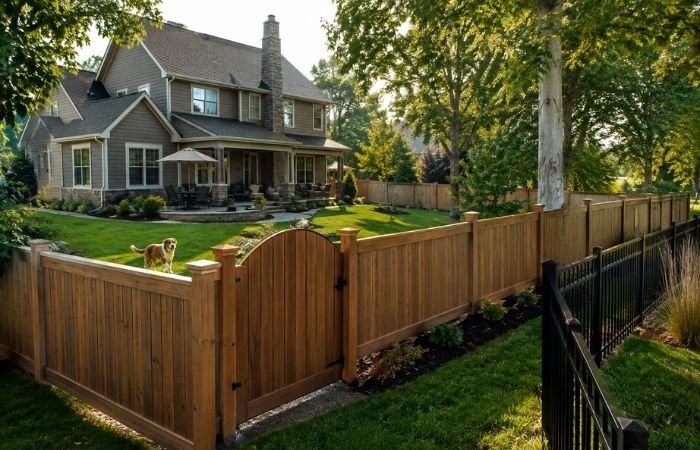
Wood offers a traditional, natural appearance and works especially well for privacy, pets, gardens, and older home styles. It can be painted or stained, and it is easy to customize. However, it needs periodic inspection, cleaning, and protective finishing to help manage moisture exposure, fading, warping, and rot.
Vinyl Fencing
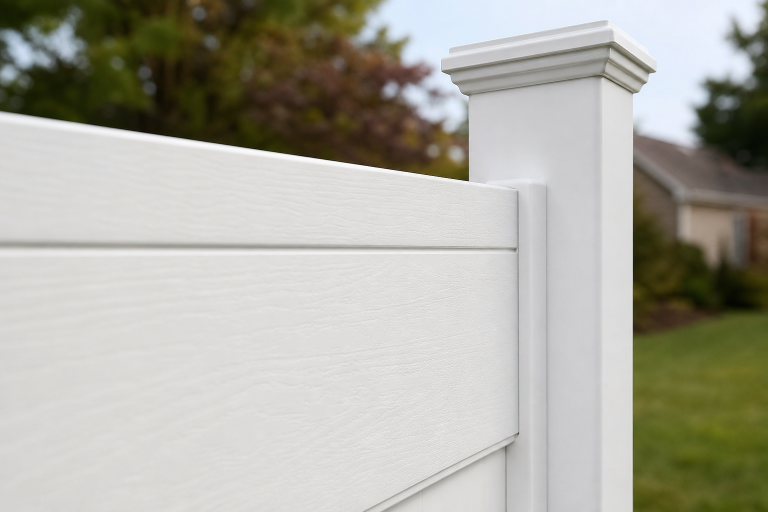
Vinyl is a low-maintenance choice for privacy panels, picket designs, and decorative boundaries. It does not require routine painting or sealing, although it should still be cleaned and checked for damage. Its initial cost may be higher than that of some wood options, but reduced upkeep can make it appealing to busy households.
Chain Link, Aluminum, and Ornamental Metal
Chain link is practical for pet areas, large yards, commercial sites, and utility spaces. Galvanized or coated options can help resist wear, while privacy slats can reduce visibility. Aluminum and ornamental metal offer a more decorative, open look that suits driveways, pools, gardens, and formal landscapes. These open styles define a boundary without providing the visual separation of solid panels.
Agricultural and Farm Fencing
Field fence, high-tensile wire, barbed wire, and deer-control systems are selected according to the animal, terrain, acreage, and maintenance plan. A fence suitable for horses may not be right for smaller livestock, deer exclusion, or a garden perimeter.
Match Style to Privacy, Pets, and Security
Height, spacing, openings, post strength, and gate hardware all affect performance. For privacy, consider solid wood or vinyl panels, board-on-board layouts, or lattice-topped designs where allowed. For dogs and children, choose openings that are too narrow to escape through, dependable latches, smooth surfaces, and a height appropriate for climbing or jumping. Security often benefits from a layered approach: stronger posts, lockable gates, clear sightlines, lighting, and controlled access. A fence can discourage casual entry and define protected areas, but it is not a complete security system by itself.
Plan for Indiana Weather and Soil
Indiana’s wet springs, humid summers, winter freezes, and shifting soil can affect fence stability. Low spots that collect water may shorten the life of wood components and complicate post-performance. Freeze-thaw movement can also affect alignment and gate clearance.
- Use properly sized and set posts for the fence type and site conditions.
- Address drainage concerns before installation whenever possible.
- Allow enough clearance for gates to operate after seasonal movement.
- Inspect hinges, fasteners, posts, and bottom edges after winter.
Compare Cost and Maintenance
The lowest installation quote is not always the lowest long-term cost. Wood may require more staining, sealing, or board replacement. Vinyl and aluminum often reduce routine maintenance, while chain link can provide efficient coverage for larger areas. Compare material and labor, gates, removal of old fencing, site preparation, repairs, warranties, and expected upkeep before deciding.
Check Property Lines, Utilities, and Local Rules
Do not rely only on an old stake, a map app, or a visual estimate when a boundary is uncertain. A licensed surveyor may be appropriate when placement is disputed or unclear. Also review municipal, county, subdivision, and HOA requirements for height, location, corner lots, permits, and easements. Before posts are dug, use Indiana’s 811 digging guidance to arrange utility marking at least 2 business days in advance. This step helps identify underground lines and reduces the risk of injury, service interruptions, and costly repairs.
Plan Gates and Daily Access
A well-built fence can still be inconvenient if the gates are narrow, poorly located, or difficult to latch. Consider whether pedestrians, lawn equipment, vehicles, delivery drivers, pets, or emergency responders need access. Decide whether a gate should swing inward, outward, or slide, and whether self-closing, locking, or automated hardware makes sense.
Questions to Ask a Fence Contractor
- Which materials best fit the property’s purpose and budget?
- How will slopes, drainage, and uneven ground be handled?
- What does the written estimate include, including removal and cleanup?
- Who verifies measurements, utility marks, and permit requirements?
- What warranty applies to materials and artistry?
- How are future repairs, gate adjustments, or replacement parts handled?
A Simple Fence Selection Checklist
- Identify the primary goal: privacy, pets, security, appearance, or property control.
- Set a budget that includes gates, site work, maintenance, and future repairs.
- Compare materials based on durability, upkeep, visibility, and intended use.
- Review slopes, drainage, trees, utility locations, and access points.
- Confirm property lines and local rules before construction begins.
- Compare written estimates by scope and quality, not total price alone.
Final Thoughts
The best fence is one that fits the property’s real needs and continues to work well over time. By weighing purpose, materials, weather exposure, maintenance, regulations, and gate access before installation, Indiana property owners can make a choice that improves privacy, safety, appearance, and everyday use for years to come. Considering drainage, soil conditions, property boundaries, landscaping, and seasonal weather can also help prevent avoidable repairs and installation problems. A well-planned fence should complement the property’s layout while providing the right balance of durability, security, and visual appeal. Taking time to compare options and plan can make the investment more practical and easier to maintain over the long term.


