

Forget the manicured perfection of the last decade. In 2026, the best yards embrace controlled chaos, tech-guided precision, and designs built around how people (and their pets) actually live.
Native planting, robotic mowing, gravel gardens, pet-focused layouts, and AI-guided gardening are gaining traction because they solve practical problems. Lower water usage, less mowing, fewer chemicals, better biodiversity, and yards that require less constant upkeep.
1. Intentional Rewilding

The Pennsylvania Horticultural Society named it a top 2026 trend precisely because it’s strategix – dedicating a section of your property to native ecosystem restoration while actively managing invasive species. This results in wildlife corridors and functional habitat that largely takes care of itself.
Rewilded zones need no mowing, minimal watering, and zero fertilizer once established. Pollinators love them. And when done with intention; you get soft edges, simple pathways through the plantings.
You can pick a back corner or side yard. Remove invasives first (non-negotiable), then plant native perennials and grasses suited to your region. Create a visible “soft edge” transition from your manicured lawn so it reads as intentional.
2. Robotic Lawn Automation for Hands-Free Maintenance

The robotic mower of today looks nothing like its wire-dependent predecessors. Modern units use RTK GPS, LiDAR, and AI vision for navigation; virtual boundaries are set in an app, no physical wires to bury. They handle slopes up to 45°, detect obstacles, and adjust schedules when rain is coming.
It’s quite practical since cutting every 2–3 days (vs. weekly) produces healthier, thicker grass. You save 100+ hours of mowing annually. The robot lawn mower market is growing at 11.4% annually through 2033, and the technology has matured enough that setup takes under three hours.
Entry level mowers start at around $800, and go up to $2,500, depending on yard size. The time savings alone (100 hours × $30/hr labor value) work out to $3,000 annually in recovered time.
If you’re looking for recommendation, we would suggest trying robotic lawn mowers from he Segway Navimow. Their mowers use VisionFence™ technology that eliminates boundary wires. Moreover, they offer multiple specialized lawn mower series, each to tackle different type and sizes of lawn.
3. “Barkitecture” — Pet-Forward Landscape Design
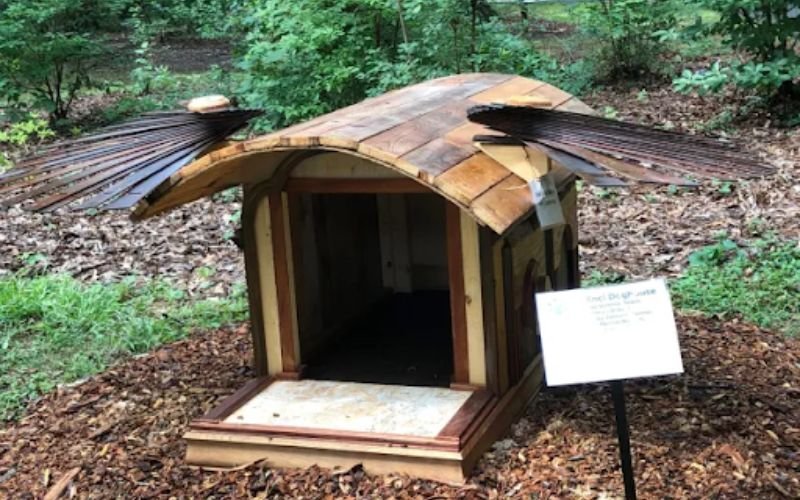
70% of US households own pets. Most yards still treat them as an afterthought. Barkitecture, identified by the TurfMutt Foundation as a breakthrough 2026 trend, flips that: designing the yard around how your dog actually uses it.
That means zoomie zones with durable turf, shaded rest areas, dedicated digging spots with soft soil, and pet-height water features. Dog houses that match home aesthetics. No toxic plants (azaleas, lilies, sago palms, and tulips are all off the list).
This approach prevents dead grass patches, reduces indoor dirt tracking, and keeps pets safer. Resilient ground covers like clover and creeping thyme handle paw traffic better than standard lawn grass and bounce back faster.
4. Gravel Gardens (The Stylish Xeriscaping Approach)
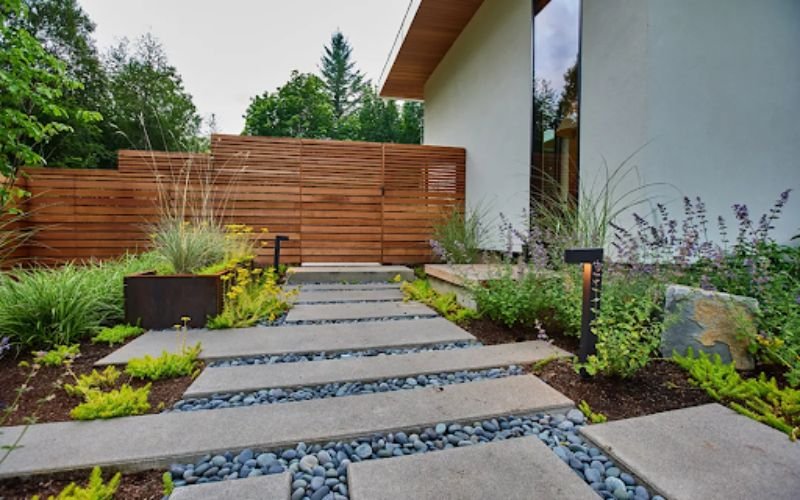
It’s not a plain gravel yard; artistic combinations of decorative stone, Mediterranean drought-tolerant plants, and sculptural elements. Major public gardens, including Chanticleer, Scott Arboretum, and Olbrich Botanic Gardens, are leading this trend.
These gardens use 50–75% less water than lawn-based landscapes. Gravel doesn’t decompose like organic mulch, so that means no annual replacement. Excellent drainage prevents mud and standing water. And it looks good year-round, no dead season.
Here’s how can you do it. Layer landscape fabric, then 2–4″ of decorative gravel. Plant in groups of 5–7 drought-tolerant species (lavender, sage, sedums, ornamental grasses, agave). Add vertical interest with boulders, driftwood, or architectural plants. Create “rivers” of gravel flowing between plant islands.
Permeable pathways and gravel features are also covered in these Front Yard Landscaping Ideas.
5. AI-Guided Garden Planning and Gardening
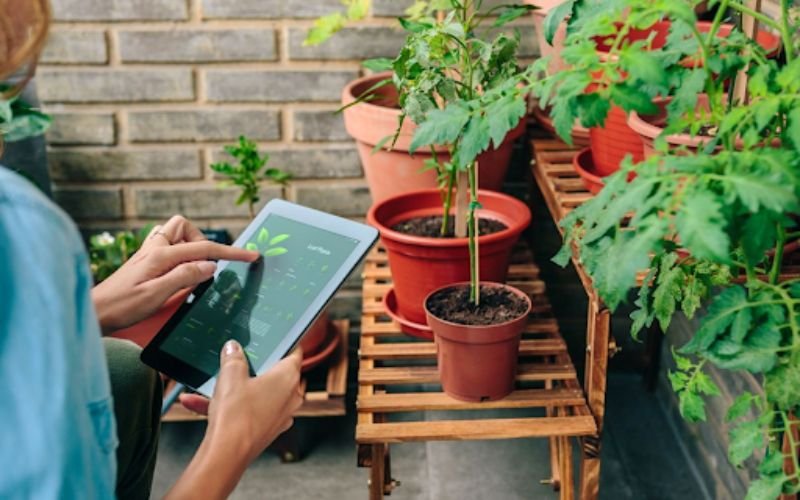
Smart apps now analyze your specific microclimate, soil composition, and sun patterns to give hyper-local planting recommendations. AI image recognition diagnoses plant diseases from photos. Soil sensors track moisture, pH, and nutrients in real-time. The TurfMutt Foundation calls it “Precision Tech-Guided Gardening.”
Apps like PlantSnap, PictureThis, and iNaturalist are free or close to it. Smart soil sensors run $20–$80 each. Set up automated alerts for watering or fertilizing needs, then let the data guide decisions.
Most apps are free to $5/month. Sensors $20–$80 each. Savings: 30–50% lower water bills and far fewer plant replacements.
6. Maximalist Planting (Dense, Layered, Abundant Gardens)

Sparse, minimalist gardens are out. Garden designer Rebecca Sweet describes the shift as “countering the controlled aesthetic”, Sunset Magazine and Southern Living are both highlighting the move toward dense, layered, overflowing borders.
In practicality terms it offers a lot. Dense planting leaves less bare soil, which means dramatically fewer weeds. Plants create beneficial microclimates for each other. Covered soil loses less water to evaporation. Once established, a full planting actually requires less maintenance than a sparse one.
You can plant in layers: ground covers, mid-height perennials, tall grasses, shrubs. Mix textures: fine grasses with bold foliage, spiky forms with rounded ones. Keep 3–5 complementary color families for cohesion. Although you may need higher initial investment ($500–$1,500 for a generous border), you can save in weeding time, mulch, and replanting.
7. Cozy Garden Nooks Instead of Grand Outdoor Rooms
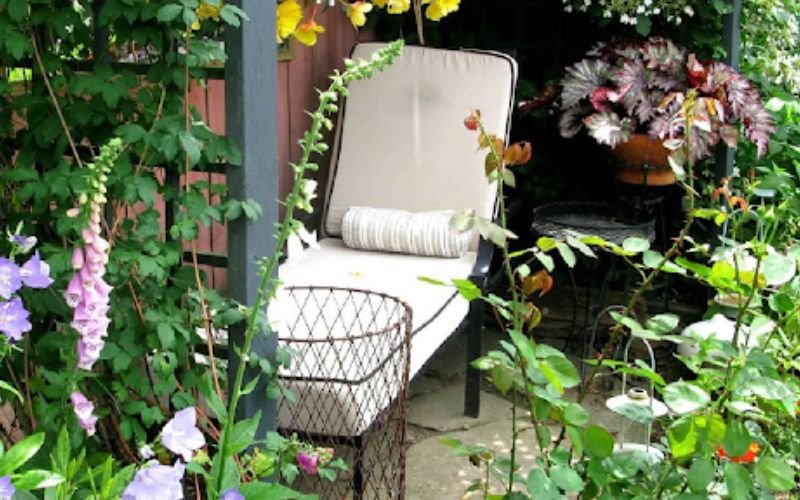
The shift is away from large showcase outdoor rooms toward small, personal refuge spaces: a single weatherproof chair tucked into plantings, a pathway that leads somewhere quiet.
A nook needs just 6×6 ft. It uses otherwise awkward corners. And a well-designed small space gets used far more than a large outdoor room that mostly sits empty.
You can choose a corner with partial shade. Surround with tall grasses or shrubs (4–5 ft) for enclosure. Add a side table. Optional: a small fountain for ambient sound masking. A simple path leading to it creates the discovery element.
For more on creating intimate spaces indoors and out, see From Drab to Dreamy: Reinventing Key Areas of Your Home.
8. Native and Drought-Tolerant Planting
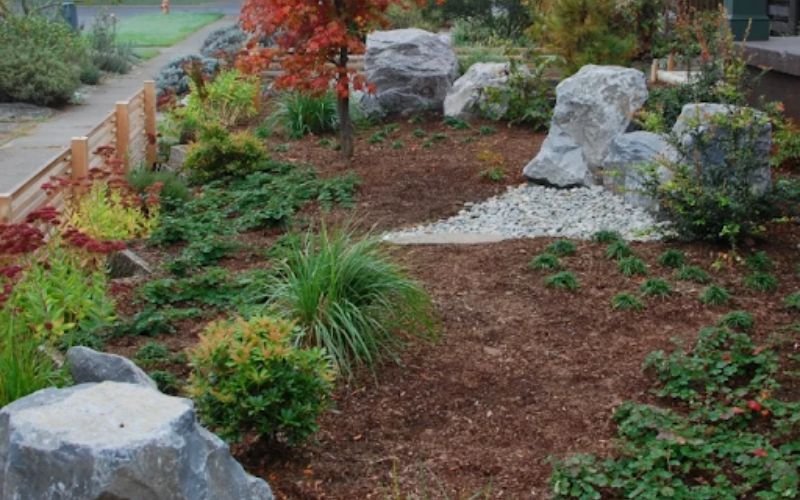
Choosing plants adapted to actual climate isn’t a new idea, but the urgency is new. With water restrictions expanding across drought-affected regions, native and drought-tolerant planting has moved from “nice to have” to genuinely strategic.
Choosing such plants reduces water consumption by 50–75%. Native plants thrive without the fertilizers and pesticides their exotic counterparts need. They establish deep root systems that outlast drought. Some utility providers even offer rebates for converting a lawn to drought-tolerant planting.
Start with “warrior plants”- the hardiest natives for your specific zone. Ornamental native grasses, hardy perennials, and native shrubs form the backbone. Group by water needs (hydrozoning). Mulch 3–4″ deep to retain moisture.
9. Layered Landscape Lighting
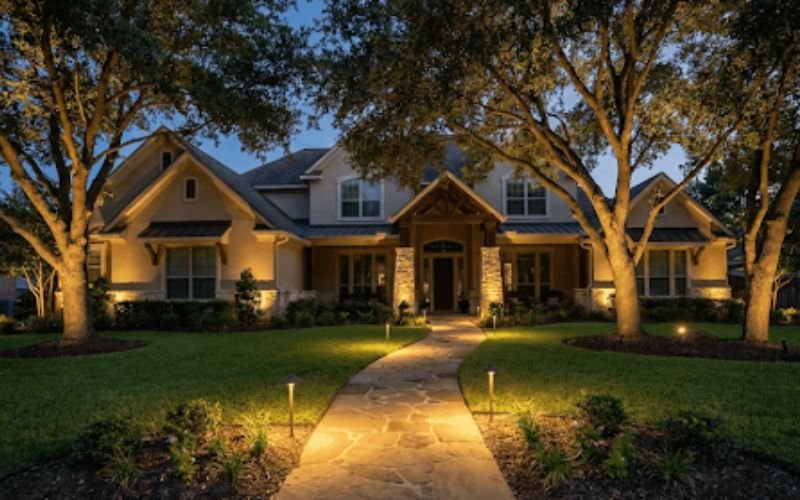
Combining pathway lights, uplighting, and accent lighting at multiple heights extends outdoor usability by 4+ hours daily. Smart controls and timers handle automation. Modern solar and low-voltage options have eliminated the need for complex electrical work in most installations.
Use pathway lighting every 8–10 feet for safety. Uplight 2–3 signature trees or architectural features. Add accent lighting at focal points. Work in layers: ground level, mid-level (3–5 ft), and overhead.
10. Soft Color Palettes: Faded Petal and Weathered Tones
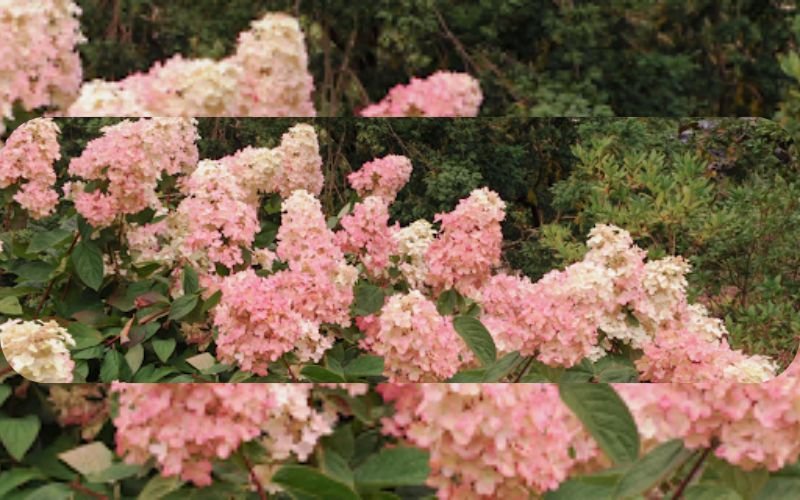
The Color of the Year is “Faded Petal”, a soft, dusty pink that reflects a broader shift away from saturated, high-contrast color schemes toward ash-kissed pinks, foggy grays, desert patinas, and weathered wood tones.
Use silver and gray foliage plants (lamb’s ear, artemisia, dusty miller, sage) for the heavy lifting. Pale pink flowers (roses, peonies, astilbe, bleeding hearts) layer in color. Hardscaping in weathered wood, natural limestone, or flagstone. Skip stark white; use cream and warm gray instead.
Getting Started
The common thread in 2026 landscaping is working with nature rather than against it -letting technology handle repetitive tasks while design focuses on function: pet needs, wildlife support, personal refuge, water conservation.
Pick two or three trends that address your actual pain points. Start small: rewild one back corner, carve out a garden nook, convert a patch of lawn to a gravel garden. Invest in time-saving technology where the ROI is clear. And be patient, the best landscapes in are designed to evolve, not arrive perfect on day one.


