
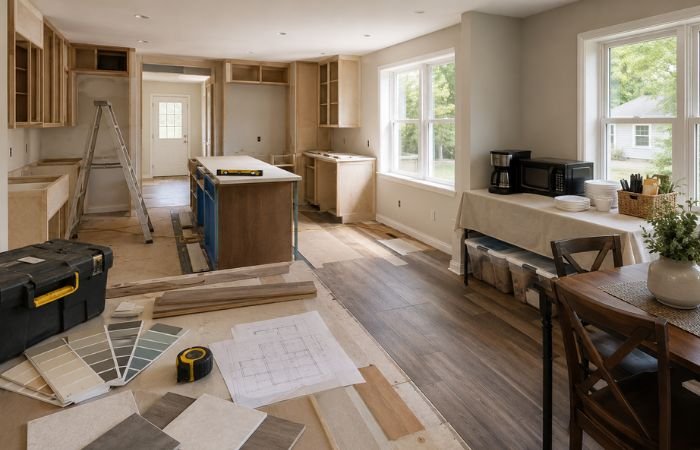
Remodeling sounds exciting until your coffee maker is sitting in the laundry room and you can’t find a single clean outlet. Still, a good remodel can make your home work better, feel better, and even save you from years of little daily annoyances. The trick is planning it in a way that fits real life, not fantasy-TV life. If you want better results with less stress, it helps to think beyond paint colors and dream boards and focus on how your home actually gets used every day.
Start with priorities
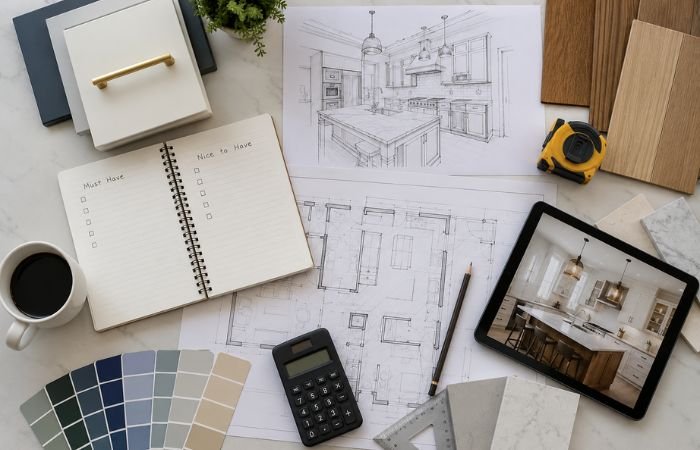
Before you choose tile, fixtures, or the “perfect” shade of greige, stop and ask what’s actually not working in your home. Maybe your kitchen has no storage, your bathroom feels cramped, or your living room looks nice but doesn’t fit how your family moves through it. Those everyday frustrations should lead the plan.
A helpful trick is making two lists. One is for must-haves, like fixing poor lighting or replacing damaged cabinets. The other is for nice-to-haves, like a fancy pot filler you may use twice and brag about forever. That split keeps your budget from wandering off.
You should also think about timing. If you host family every holiday, remodeling the kitchen in November is bold in all the wrong ways. When your priorities are clear, every later decision gets easier because you’re solving real problems, not just chasing inspiration photos.
Choose the right help
Once you know what you want to improve, the next step is finding the people who can do it well. You don’t need someone who just says yes to everything. You need someone who listens, explains things clearly, and gives you honest feedback about what makes sense for your space.
When hiring home remodeling experts, get a detailed estimate, a clear timeline, proof of licensing, and good communication habits matter a lot. If someone takes days to answer a basic question before the project starts, imagine how fun that will feel when your sink is disconnected.
Ask how they handle delays, changes, and cleanup. Look at past work, but also notice whether their finished spaces feel practical. A beautiful room that ignores storage, traffic flow, or family life can turn into an expensive lesson. The best fit is usually the team that balances skill, organization, and realistic expectations.
Set a real budget
A remodel budget should be honest, not optimistic in a wishful, fingers-crossed kind of way. People often focus on cabinets, countertops, or flooring and forget the less glamorous costs. Permits, demo, hauling debris, delivery fees, and small repairs behind the walls can add up quickly.
Start with the total amount you can comfortably spend. Then break it into categories like labor, materials, design choices, and a backup cushion. That cushion matters. Older homes love surprises. They hide water damage, uneven floors, and electrical oddities like it’s a hobby.
Try to keep a contingency fund of around 10 to 20 percent if possible. If you don’t use it, great. If you do, you won’t feel blindsided. It also helps to price your favorite finishes early. That dreamy stone slab may be beautiful, but if it eats half the budget, it could force painful cuts elsewhere. Pretty is nice. Functional and affordable is nicer.
Prepare your routine
Even a small remodel can throw your household into chaos for a while. Dust shows up where dust should never be. Noise happens during phone calls. Your pet suddenly thinks every worker is either a new best friend or a mortal enemy. A little prep can save your sanity.
Think about your daily routine before work begins. If the kitchen is being remodeled, set up a mini food station somewhere else with a microwave, coffee maker, paper plates, and snacks that don’t need much prep. If you work from home, figure out your quiet zones ahead of time.
You should also move breakables, cover nearby furniture, and create a path for workers that limits mess in the rest of the house. Kids need a plan too, especially if parts of the home become off-limits. Remodeling is always disruptive, but it feels much more manageable when your home still has some basic rhythm instead of full raccoon-in-a-trash-can energy.
Pick practical finishes
This is where many remodels either age well or become a collection of “What was I thinking?” moments. Trends can be fun, but your home should still work for your real life. If you have kids, pets, guests, or a habit of dropping everything, durability deserves a front-row seat.
Look for materials that are easy to clean and hard to damage. In high-use spaces, that usually matters more than having the most talked-about finish of the year. Matte surfaces can hide fingerprints better. Good flooring should handle traffic without showing every tiny mark. Storage choices should make daily cleanup easier, not harder.
It’s smart to mix personality with practicality. You can bring in trendier colors or patterns through lighting, hardware, paint, or decor instead of permanent features that cost a fortune to replace. A remodel should feel fresh, but it should also make your mornings smoother. If it looks amazing and still survives spaghetti night, that’s a win.
Expect a few surprises
No matter how carefully you plan, remodeling has a way of tossing in a few plot twists. Materials get delayed. Old plumbing gets exposed. A wall you hoped to move turns out to be more important than it looked. That doesn’t mean the project is failing. It means the project is a remodel.
The best thing you can do is stay flexible and keep communication open. Ask questions when issues come up. Find out what changed, what it means for cost or timing, and what your options are. Good professionals should walk you through that without turning it into a mystery novel.
It also helps to avoid making too many changes once work starts. Last-minute ideas can affect labor, materials, and the schedule in a domino effect. Some changes are worth it, of course. Just know they usually cost more than they seem at first. A calm, informed response beats panic every time, even when the surprise isn’t exactly a happy one.
Finish with fewer regrets
As the project wraps up, it’s tempting to just celebrate and collapse on the nearest clean surface. Before you do, take time for a careful walkthrough. Open drawers, test fixtures, check paint edges, and make sure outlets, lights, and hardware all work the way they should.
Write down small fixes in a punch list instead of trying to remember them later. Little details are easy to miss when you’re distracted by the excitement of finally having your space back. Save receipts, warranty information, paint colors, and product details too. Future you will be very grateful.
Then pay attention to how the space feels after a few days of normal use. Does traffic flow better? Is storage where you need it? Can more than one person use the room without a polite traffic jam? The best remodel doesn’t just look finished. It makes daily life easier, which is really the whole point of the dust, noise, and temporary toaster exile.


