

Living in a home with a septic system doesn’t have to be intimidating. In fact, with a little knowledge and a few good habits, you can keep your system operating efficiently for decades. Proper septic maintenance not only helps prevent costly repairs but also protects your property, your plumbing, and the surrounding environment.
Whether you’ve recently purchased a home with a septic system or you’ve had one for years, these simple maintenance tips will help you get the most out of your investment. Drain Beast Septic and Plumbing Services is a septic plumber Kent WA residents rely on; they’ve compiled a list of basic tips for septic homeowners.
Understand That Your Septic System Needs Regular Care
Unlike homes connected to city sewer lines, homes on septic rely entirely on an onsite wastewater treatment system. Every time you flush a toilet, wash dishes, or take a shower, wastewater flows into your septic tank where solids settle and liquids are eventually dispersed through the drain field.
Because everything depends on this underground system functioning properly, routine maintenance is essential. Ignoring your septic tank can lead to backups, drain field damage, and repairs that cost thousands of dollars.
Watch Everything That Goes Down the Drain
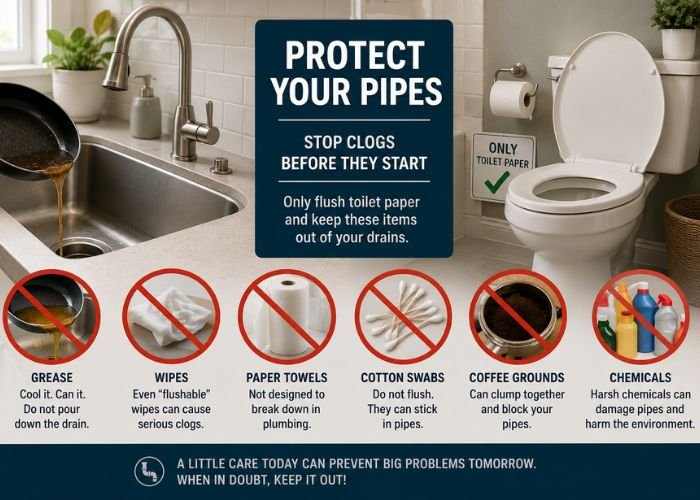
One of the biggest mistakes homeowners make is treating their septic system like a garbage disposal. While your tank is designed to process organic waste, many common household items never break down properly.
To keep your system healthy, avoid flushing or washing away:
- Grease and cooking oils
- “Flushable” wipes
- Feminine hygiene products
- Cotton balls and swabs
- Paper towels
- Dental floss
- Cat litter
- Coffee grounds
- Harsh chemicals and solvents
The fewer foreign materials entering your tank, the longer it will function without problems.
Be Smart About Water Usage
Every septic system has a limit to how much water it can process. Excessive water use can push solids into the drain field before they’ve had time to settle, increasing the risk of clogs and system failure.
Simple changes can make a significant difference:
- Repair leaks as soon as they appear.
- Spread laundry loads over several days.
- Install water-saving toilets and showerheads.
- Run dishwashers only when they’re full.
- Avoid draining hot tubs or pools into the septic system.
Reducing unnecessary water use allows your septic tank to operate the way it was designed.
Pump Your Septic Tank Before Problems Develop
Many homeowners don’t think about their septic tank until something goes wrong, but waiting too long can be an expensive mistake.
Over time, sludge accumulates at the bottom of the tank and must be professionally removed. If it isn’t pumped regularly, solids can overflow into the drain field and permanently damage the system.
Most septic tanks should be pumped every three to five years, though household size and water usage may require a different schedule. A professional inspection can determine the ideal maintenance plan for your home.
Protect the Drain Field
Your drain field is just as important as the septic tank itself. This underground network filters wastewater before it returns to the soil, and any damage can be difficult and costly to repair.
Keep your drain field in good condition by:
- Never parking vehicles or trailers on top of it
- Avoiding construction over the area
- Keeping large trees and shrubs at a safe distance
- Directing roof runoff and irrigation away from the field
- Maintaining healthy grass cover without deep-rooted plants
Treating the drain field with care helps ensure proper drainage for years to come.
Choose Cleaning Products Carefully
Many cleaning products are safe when used normally, but excessive amounts of bleach, antibacterial cleaners, and chemical drain openers can kill the beneficial bacteria your septic system relies on to break down waste.
Whenever possible, use septic-safe products and avoid pouring concentrated chemicals down the drain. Maintaining a healthy bacterial balance helps your system work more efficiently.
Learn to Spot Early Warning Signs
Small septic issues often provide warning signs before they become emergencies. Paying attention to these symptoms can save you significant time and money.
Call a professional if you notice:
- Slow drains throughout the house
- Toilets that frequently clog or back up
- Gurgling noises in pipes
- Sewage odors inside or outside
- Wet areas around the septic tank or drain field
- Bright green patches of grass where the drain field is located
Addressing problems early often prevents major repairs.
Prepare for Heavy Water Usage
Hosting guests or large family gatherings can temporarily overload your septic system if you’re not careful.
If you’re expecting company, consider spacing out showers, delaying laundry until after visitors leave, and running appliances during off-hours instead of all at once. These small adjustments can help prevent unnecessary stress on the system.
Keep Up With Professional Inspections
Even if everything appears to be working normally, regular inspections are one of the best ways to extend the life of your septic system. A trained technician can identify worn baffles, developing leaks, or other issues before they lead to failures.
At Drain Beast Septic and Plumbing Services, we help homeowners stay ahead of problems with expert septic inspections, pumping, maintenance, and repairs. Preventative service today can save thousands of dollars in unexpected repairs tomorrow.
A Little Maintenance Goes a Long Way
Maintaining a home on septic isn’t complicated, but consistency matters. Being mindful of what goes down your drains, conserving water, protecting your drain field, and scheduling regular pumping can dramatically increase the lifespan of your system.
With the right habits and support from experienced professionals, your septic system can continue serving your home reliably for decades. If it’s been several years since your last inspection or pumping service, now is the perfect time to schedule preventative maintenance and keep your system performing at its best.


