
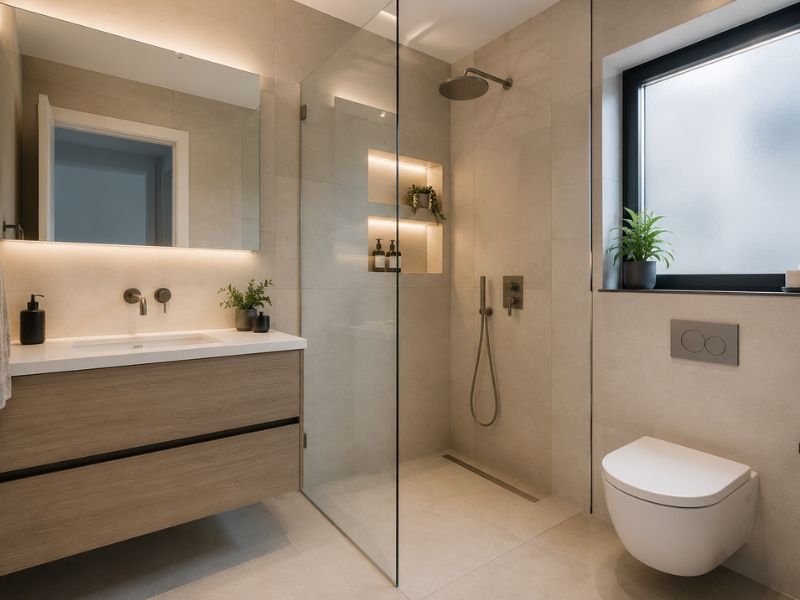
Small bathrooms often create daily frustration for homeowners. Limited counter space, poor lighting, and bulky fixtures can quickly make the room feel crowded and uncomfortable. Since bathrooms are used multiple times throughout the day, even minor layout issues can affect convenience and overall comfort. Many homeowners now focus on maximizing every square foot while still maintaining a clean and modern appearance.
A successful bathroom upgrade requires more than decorative changes. Smart renovations focus on layout efficiency, storage planning, lighting, and durable materials that support long-term use. Homeowners often begin with cosmetic updates such as paint or accessories, but these changes rarely solve deeper space limitations. Improving a compact bathroom usually requires careful planning that balances comfort, organization, and visual openness.
Start With a Smart Layout and Efficient Space Planning
A small bathroom works best when every fixture serves a clear purpose and fits comfortably within the layout. When the toilet, vanity, and shower are placed too close together, the room can quickly feel cramped and difficult to use. In many cases, even small layout adjustments can improve movement and make the space feel more open. Features such as pocket doors, corner sinks, and wall-mounted storage help free up floor space without reducing functionality. With less visual clutter and better organization, the bathroom becomes easier to navigate and more comfortable for daily use.
Some upgrades, however, require more than simple cosmetic changes. Installing floating vanities, relocating plumbing lines, or adding custom glass panels involves careful planning to ensure the space remains practical and code-compliant. These changes can also affect ventilation, moisture control, and long-term durability, especially in smaller bathrooms where every inch matters. Because of this, homeowners often benefit from expert guidance before starting major renovations. Partnering with a local bathroom contractor can help homeowners create a layout that improves traffic flow, maximizes available space, and reduces the risk of costly mistakes later.
Use Light Colors and Monochromatic Palettes to Open Up the Room
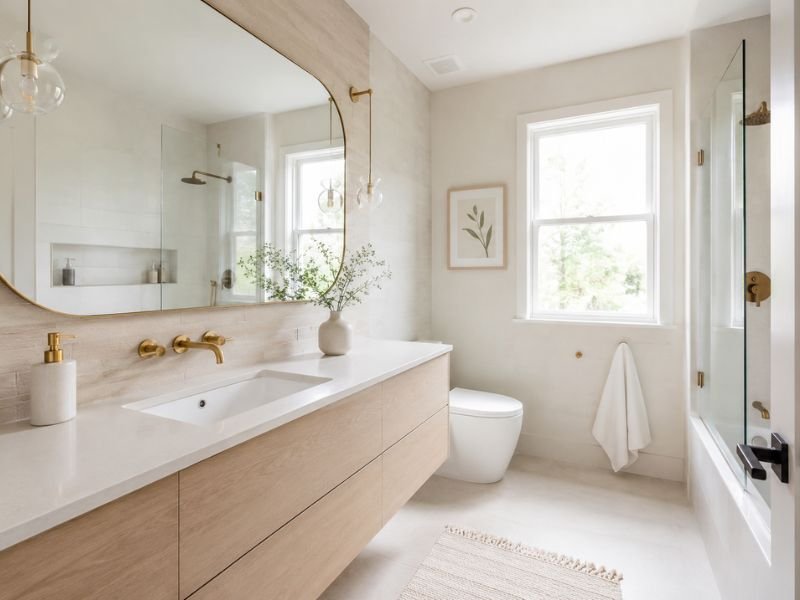
Color selection has a direct impact on how large or small a bathroom appears. Light shades reflect more light, which helps brighten enclosed spaces and soften harsh corners. White, soft gray, beige, and warm neutral tones remain popular because they create a calm and airy appearance. A monochromatic palette also reduces visual interruptions throughout the room. When walls, cabinetry, and flooring stay within a similar color range, the bathroom feels more unified and spacious.
Finishes and textures also influence the overall effect. Satin or semi-gloss paint reflects light effectively while standing up to humidity and moisture exposure. Many homeowners pair light-colored walls with large-format porcelain tiles to create a seamless appearance with fewer grout lines. Subtle texture changes can add depth without overwhelming the room visually. Matte stone surfaces, brushed metal hardware, and soft wood accents provide contrast while maintaining a clean and balanced design that supports a more open atmosphere.
Layer Lighting to Brighten Every Corner
Lighting plays a major role in how spacious a bathroom feels. A single overhead fixture often leaves shadows around mirrors, corners, and storage areas. Layered lighting solves this problem by combining ambient, task, and accent lighting throughout the room. Recessed ceiling lights provide even general illumination without taking up visual space. Vanity lighting placed beside mirrors improves visibility for grooming while reducing harsh facial shadows that overhead lights often create.
Natural light can make a small bathroom feel significantly larger. Frosted windows, skylights, and solar tubes allow sunlight to enter while still maintaining privacy. In bathrooms with limited natural light, LED fixtures offer an efficient alternative that produces bright and consistent illumination. Many designers recommend lighting with a color temperature between 2700K and 3000K for a warm and natural appearance. Backlit mirrors and under-cabinet LED strips also help brighten darker areas and create a cleaner, more modern finish throughout the space.
Choose Space-Saving Fixtures for Better Functionality
The right fixtures can dramatically improve how a small bathroom functions. Floating vanities remain a popular option because they expose more floor area and create a cleaner visual layout. Wall-mounted toilets also save valuable space by concealing the tank inside the wall. These features work especially well in narrow bathrooms where bulky cabinetry can restrict movement. Compact sink designs and shallow-depth vanities also help maximize circulation without reducing daily comfort.
Material selection matters just as much as fixture size. Moisture-resistant finishes such as PVC, sealed wood, and porcelain surfaces perform well in humid conditions while remaining easy to maintain. Homeowners should also consider built-in niches around showers and sinks to reduce countertop clutter. When fixtures support both storage and accessibility, the bathroom feels more practical without appearing crowded.
Create Visual Continuity With Large-Format Tiles and Reflective Surfaces
Large-format tiles help bathrooms feel more open because they reduce the number of grout lines across walls and floors. Fewer visual breaks create a smoother and more continuous appearance. Many designers recommend extending the same flooring into the shower area to strengthen that effect. Porcelain tiles remain a reliable choice because they resist moisture, provide durability, and require minimal maintenance over time.
Reflective surfaces also improve the sense of openness in compact bathrooms. Oversized mirrors increase light distribution while visually doubling the space. Homeowners sometimes decorate a feature wall with textured tiles or subtle patterns to add personality without overwhelming the room. Glossy finishes, polished chrome fixtures, and mirrored cabinets reflect both natural and artificial light throughout the space.
Maximize Vertical Storage and Recessed Shelving
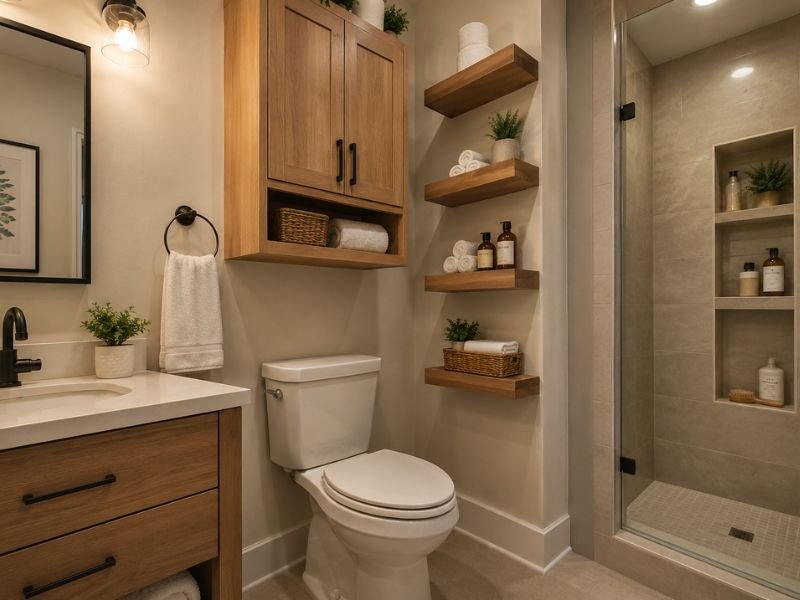
Efficient storage keeps small bathrooms organized and visually balanced. Vertical cabinets, floating shelves, and over-the-toilet storage units help homeowners use wall space more effectively. These solutions free up floor space while providing room for towels, toiletries, and daily essentials. Open shelving can also make the room feel lighter when styled carefully with neatly arranged baskets or containers.
Recessed storage offers another practical solution for compact bathrooms. Built-in shelving between wall studs creates extra storage without extending into the room. Recessed niches inside showers keep products accessible while maintaining a streamlined appearance. Homeowners should select moisture-resistant materials such as powder-coated metal, treated wood, or porcelain shelving to improve durability. Organized storage reduces clutter and helps smaller bathrooms maintain a cleaner and more spacious appearance.


One comment on “How to Make a Small Bathroom Feel More Spacious and Functional”