
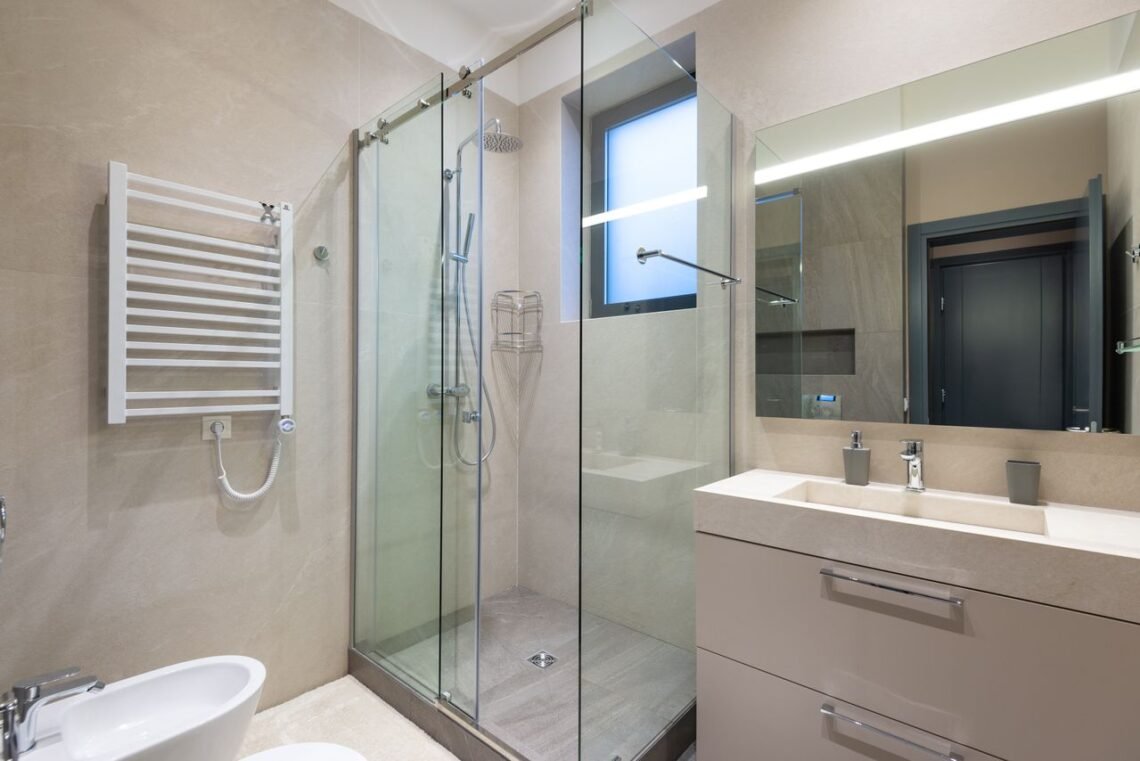
Your shower is easy to overlook until it starts disrupting your routine. Weak water pressure, stained walls, slippery flooring, and awkward entry can turn a simple task into a daily frustration. For homeowners in Pittsburgh and beyond, a thoughtful shower upgrade can improve comfort, safety, and cleaning while giving the bathroom a fresher, more polished look without requiring a full remodel. It can also make the space feel newer and more attractive to future buyers.
Why Shower Updates Matter
A shower update is about more than appearance. A better-looking bathroom is certainly a benefit, but the biggest improvements often come from function. Better water control, smarter storage, and a layout that feels easier to use can simplify busy mornings and reduce the small annoyances that build up over time.
For homeowners exploring practical bathroom improvements, learning more about shower installation in Pittsburgh can be a helpful first step in creating a shower that fits both the home and the household’s daily needs. A focused shower project can refresh the bathroom without changing every other element in the room.
There is also a resale benefit. Bathrooms are one of the first spaces buyers examine closely, and an updated shower often signals that the home has been maintained well. Even if you are not planning to move soon, the value is immediate because you get to use a shower that works better every day.
Signs It Is Time
Many showers show obvious signs when they need attention. Leaks are one of the most serious. If water escapes the enclosure, creates puddles, or causes stains on nearby walls or ceilings below, the problem may involve the base, wall system, or plumbing. Even small leaks can lead to expensive damage if left alone.
Worn surfaces are another common warning. Cracked tile, damaged grout, stained wall panels, or materials that never seem clean after scrubbing may indicate that simple patching is no longer enough. Mold and mildew that keep coming back can also suggest moisture problems hidden behind the visible surfaces.
Comfort matters too. If the door sticks, the controls are awkward to reach, the floor feels unsafe, or there is nowhere convenient to place soap and shampoo, the shower may no longer suit your needs. Because it is used so often, even modest problems can have a large effect on daily life.
Features Worth Adding
The most valuable shower features are often the ones that make everyday use easier. Built-in shelves or recessed niches are especially practical because they keep toiletries organized without relying on hanging caddies or corner baskets that can feel unstable and look cluttered.
A bench or built-in seat is another smart addition. It creates a place to sit while shaving or washing, adds comfort, and can help people of different ages and mobility levels. Even if it is not necessary right now, it can make the shower more adaptable in the future.
Easy-entry designs are also worth serious consideration. A low-threshold or walk-in shower can make entering and exiting safer and more convenient. Pair that with better lighting, easy-to-grip fixtures, and wall materials designed to resist grime, and you get a shower that is attractive and easier to maintain. That balance of style and practicality is what makes an upgrade worthwhile.
Style Without Stress
Choosing a shower style can feel overwhelming because there are so many colors, textures, and finishes available. The easiest way to narrow the options is to focus on a clean, timeless design rather than a trend that may quickly feel outdated.
Soft whites, warm grays, beige tones, and natural stone-inspired surfaces work well in many homes. These shades stay appealing over time and make it easier to update the room later with fresh paint, towels, or accessories. If you want more personality, it is usually better to add it through hardware, fixtures, or a small accent area instead of using a bold pattern on every wall.
For metal finishes, brushed nickel, polished chrome, and matte black are dependable choices. The best option depends on the rest of the bathroom, but consistency is important. Coordinating shower hardware with faucets, towel bars, and other details helps the room feel intentional and complete. In most cases, a simple, calm design is easier to enjoy for years.
Planning Your Budget
A shower upgrade does not have to consume the entire bathroom budget. Start by identifying your must-haves, such as replacing a leaking base, improving safety with a lower entry, or choosing wall materials that are easier to clean. Then make a second list of nice-to-have features like upgraded fixtures, extra storage, or a built-in bench.
This method makes it easier to adjust if costs increase. Bathrooms, especially older ones, often hide problems behind walls or under floors. Water damage, outdated plumbing, or structural issues can add to the total once the project begins, so leaving room in the budget for unexpected repairs is a smart step.
It is also important to think beyond the initial cost. Durable, low-maintenance materials may be more expensive upfront but can save money and effort later. If a feature improves safety, reduces cleaning, or holds up better over years of use, it may deliver better long-term value than the cheapest choice.
Preparing for Installation
Knowing what to expect before installation starts can make the process much easier. Accurate measurements are essential, especially in smaller bathrooms where every inch matters. Dimensions affect door swing, shelf placement, fixture location, and how well the new shower fits the room.
Before work begins, clear the bathroom as much as possible. Remove rugs, toiletries, decorations, and anything else that could get in the way or be damaged by dust. If this is the home’s only full bathroom, ask how long the shower will be unavailable so you can plan ahead.
This is also the time to ask practical questions. How many days will the project take? Will the water need to be shut off at any point? How much dust and noise should you expect? Is there anything that needs to be done before the crew arrives? Clear answers can reduce stress and help the project feel manageable from the beginning.
When it is time to decide, think about how the shower is actually used in your home. A family with children may need durable, easy-to-clean surfaces and enough storage for multiple products. Someone planning to stay in the home for many years may want comfort and accessibility features now rather than later. The best shower is not the one that looks most impressive in a showroom. It is the one that supports everyday life.


