
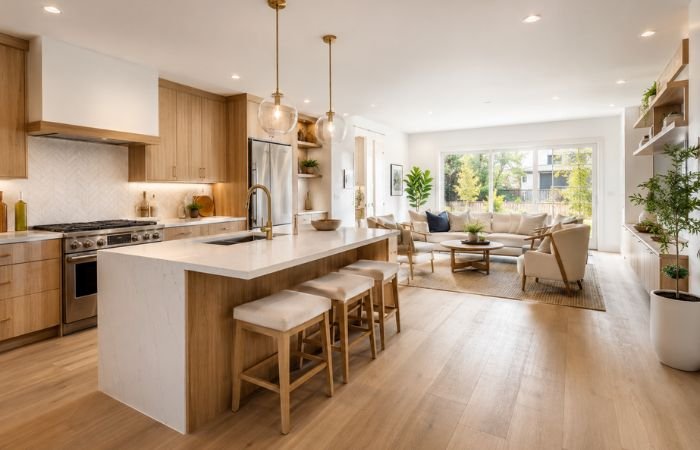
Whether you’ve lived in your home for two years or twenty, there comes a point when you begin noticing opportunities for improvement. Maybe the kitchen feels disconnected from the rest of the house. The primary bathroom no longer meets your needs. Storage seems impossible to keep organized, or your family simply needs more functional living space.
While moving is one solution, it’s often not the most practical one. Between higher interest rates, moving costs, and the challenge of finding another home in the right neighborhood, many homeowners are deciding that improving what they already own makes far more sense.
A well-planned remodeling project isn’t just about updating finishes. It’s about making a home work better for everyday life while protecting one of your largest investments.
Start With Function Before Finishes
It’s easy to get excited about cabinet colors, flooring samples, and countertops. Those are certainly important decisions, but they shouldn’t be the first ones you make.
The most successful remodeling projects begin by identifying what isn’t working.
Ask yourself questions like:
- Where does your family naturally gather?
- Which rooms feel cramped or underused?
- Is there enough storage?
- Does the layout make everyday routines easier or more frustrating?
- Are there areas of the home you rarely use?
Answering those questions often reveals opportunities that have nothing to do with expensive materials. Sometimes relocating a doorway, widening an opening, or adding built-in storage creates a greater improvement than replacing every finish in the room.
When function comes first, design decisions become much easier.
Remodeling Should Feel Timeless
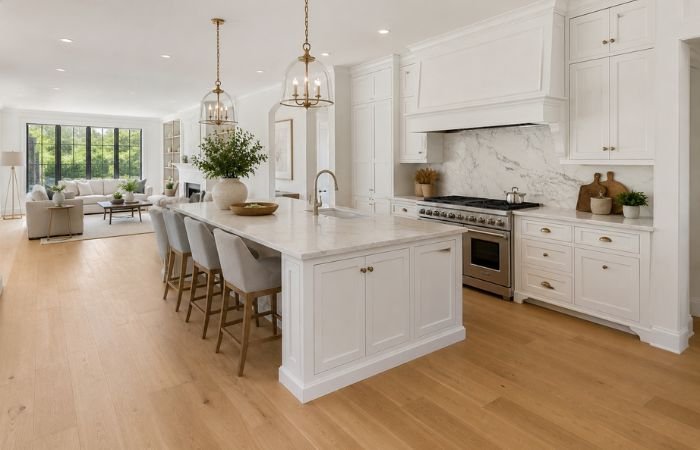
Design trends come and go remarkably fast.
What looks cutting-edge today may feel outdated in just a few years. That’s why experienced designers often encourage homeowners to choose timeless architectural details while incorporating trends through elements that are easier to update later.
Natural materials, quality cabinetry, durable flooring, neutral color palettes, and thoughtful lighting tend to age much better than bold design trends that quickly fall out of favor.
The goal isn’t creating a home that looks like everyone else’s.
It’s creating one that still feels comfortable and relevant many years from now.
Invest Where You Spend the Most Time
Every room matters, but not every room contributes equally to your daily life.
For most families, the kitchen remains the center of the home. It’s where meals are prepared, conversations happen, children complete homework, and guests naturally gather during holidays or celebrations.
Bathrooms are another space that affect everyday comfort more than homeowners often realize. Better lighting, improved storage, larger showers, and quality fixtures can make busy mornings noticeably easier.
Living rooms, family rooms, mudrooms, laundry spaces, and finished basements also deserve attention because they’re used so frequently.
Rather than spreading your budget across every room equally, consider focusing on the spaces your family uses most often.
Plan for the Future, Not Just Today
One of the biggest advantages of remodeling is the opportunity to prepare your home for future needs.
A young family may eventually need additional bedrooms or a finished basement.
Someone working remotely may benefit from a dedicated office instead of using the dining room table.
Homeowners planning to stay for decades may want wider doorways, curbless showers, improved lighting, or other accessibility features that blend seamlessly into the home’s design.
Thinking ahead during the planning process often prevents additional construction later.
Don’t Underestimate Good Storage
Storage is one of the least exciting topics during design meetings, yet it’s one of the features homeowners appreciate the most after construction is complete.
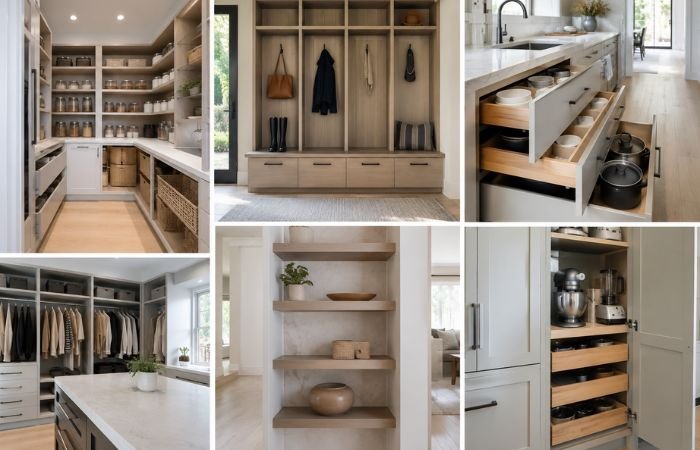
Simple improvements can dramatically improve organization, including:
- Floor-to-ceiling pantry cabinets
- Mudroom lockers
- Built-in shelving
- Deep kitchen drawers
- Linen cabinets
- Walk-in closets
- Garage organization systems
- Hidden appliance storage
Well-designed storage reduces clutter and helps every room feel larger without adding square footage.
Quality Construction Is an Investment
Every remodeling project includes decisions about materials, craftsmanship, and budget.
While it can be tempting to compare contractors solely on price, the lowest proposal isn’t always the best long-term value.
Proper framing, waterproofing, flashing, insulation, electrical work, and finish carpentry aren’t always visible after construction, but they have a tremendous impact on how well a renovation performs over time.
Attention to detail also shows in the finished product.
Cabinet doors align properly.
Tile layouts appear balanced.
Trim joints fit tightly.
Paint finishes look smooth.
Doors close correctly.
Those details may seem small individually, but together they create a home that feels professionally built.
Communication Matters Throughout the Process
Construction naturally creates some disruption, especially when homeowners continue living in the house during renovations.
Clear communication helps reduce stress.
Knowing what will happen next, understanding the project schedule, discussing material lead times, and addressing unexpected discoveries early all contribute to a much better experience.
The best remodeling projects aren’t simply well built—they’re well managed.
When expectations are clear from the beginning, homeowners are able to enjoy the process rather than constantly wondering what’s happening next.
Energy Efficiency Is Worth Considering
Many remodeling projects create opportunities to improve efficiency without dramatically increasing the overall budget.
Replacing older windows, upgrading insulation, installing efficient HVAC equipment, switching to LED lighting, and sealing air leaks can improve comfort while reducing monthly utility costs.
Although these improvements often stay hidden behind finished walls, homeowners continue benefiting from them long after construction ends.
A Home Should Grow With Your Family
Every family changes over time.
Children grow older.
Parents begin working from home.
Hobbies evolve.
Guests visit more often.
A home that worked perfectly ten years ago may no longer support today’s lifestyle.
That’s one of the greatest benefits of remodeling. Instead of adapting your family to the house, you adapt the house to your family.
Whether the project involves improving traffic flow, adding storage, updating finishes, or completely reimagining the layout, thoughtful planning allows an existing home to meet changing needs without sacrificing the memories already created there.
For homeowners exploring home remodeling, success begins with a clear vision rather than a collection of design trends. Focus on how you want your home to function every day, invest in quality craftsmanship, and prioritize improvements that will continue delivering value long after construction is complete. A carefully planned renovation doesn’t just improve a house—it creates a better place to live for years to come.


