Home repairs have a funny way of getting worse when nobody deals with them. A tiny stain on the ceiling turns into peeling paint and soft drywall. A loose outlet starts sparking every time something gets plugged in. Most homeowners know something needs attention, but it’s easy to push repairs aside when life gets busy, or the problem doesn’t seem urgent yet.
The trouble is, houses don’t stay the same when something starts failing. Water spreads, wires heat up, and small damage grows quietly until the repair bill gets painful. Acting early usually means spending less money, avoiding stress, and keeping your home safe and comfortable.
Here are some repairs that should never sit on the back burner.
Water Leaks That Can Ruin More Than Pipes
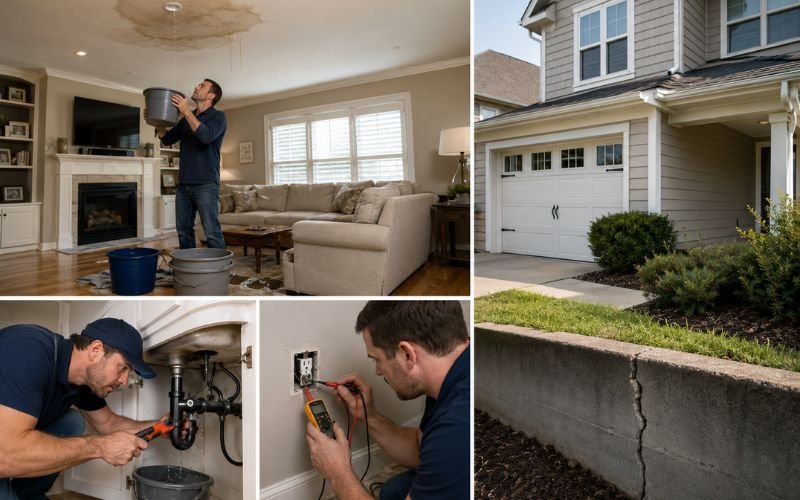
Leaks are sneaky. Sometimes you notice a drip under the sink, but plenty of leaks stay hidden behind walls or under floors for weeks. By the time stains show up, moisture has already soaked into drywall, wood, or insulation. Then the smell kicks in, paint starts bubbling, and mold finds the perfect place to spread.
Fixing a leak early keeps repair costs from stacking up. A plumber can replace a worn pipe or seal a weak connection before cabinets warp or flooring starts lifting. You also avoid the headache of tearing open walls later just to reach damaged plumbing. That’s a much bigger job than most people expect.
Roof Problems You Should Never Put Off
Roof damage rarely stays in one spot. A few missing shingles can let rain seep underneath, and once water gets in, it travels fast. You might notice a small ceiling stain at first, but moisture can spread into insulation, wood framing, and electrical wiring before the leak becomes obvious.
This is one repair homeowners should not try to handle alone. Roof repair work is dangerous and should be handled by experts. Professional roofers know how to spot hidden weak areas and repair them properly instead of covering the issue temporarily. They also use materials designed to handle heavy rain, strong winds, and changing temperatures. A rushed DIY patch may last a month. A professional repair protects the home through every season.
Foundation Cracks Can Spread Faster Than Expected
A thin crack in the foundation might not look serious. But when cracks grow, floors can become uneven, doors stop closing properly, and windows begin sticking in their frames. Water can also slip through those openings and weaken the surrounding structure.
Foundation repairs are easier and cheaper when caught early. Contractors can seal cracks, improve drainage, or stabilize soil before the damage spreads deeper into the home. Waiting usually means bigger repairs involving flooring, walls, and support beams. Those costs climb quickly once the structure starts moving.
Electrical Problems That Need Immediate Attention
Flickering lights and warm outlets are not harmless quirks. They usually point to wiring problems that can become dangerous fast. If breakers keep tripping or you smell something burning near an outlet, the system is warning you that something is wrong.
Electrical repairs need proper tools and training because one mistake can start a fire inside the walls. Licensed electricians know how to trace overloaded circuits, damaged wiring, or failing panels without creating more risk. Quick repairs also protect expensive appliances from sudden power issues. Ignoring the problem can leave you dealing with damaged electronics, blackened outlets, or worse, an emergency call in the middle of the night.
Plumbing Problems That Waste Water and Damage Floors
Slow drains and weak water pressure seem manageable at first, but plumbing problems rarely fix themselves. Pipes corrode, clogs thicken, and pressure issues can point to hidden leaks somewhere in the system. Even a running toilet can waste hundreds of gallons of water every month.
The longer plumbing issues sit there, the higher the chance of serious water damage. Cabinets absorb moisture, flooring starts swelling, and mildew grows in damp corners. Professional plumbers can find the source before the damage spreads across multiple rooms. That keeps repair work smaller, cleaner, and far less expensive than replacing soaked floors or damaged walls.
HVAC Systems That Struggle to Keep Up
When the HVAC system starts acting up, the whole house feels uncomfortable. Some rooms stay hot while others feel freezing, airflow gets weaker, and energy bills creep higher every month. Strange noises are another warning sign that people tend to ignore until the system stops working completely.
Regular repairs keep the unit running efficiently and help avoid sudden breakdowns during extreme weather. A clogged filter, worn motor, or damaged thermostat may seem minor, but those issues force the system to work harder than it should. That extra strain shortens the lifespan of the equipment and raises utility costs. Calling a technician early can prevent expensive emergency replacements and keep indoor temperatures steady year-round.
Damaged Windows and Doors That Drain Energy
Old windows and worn doors can quietly raise heating and cooling costs every season. Drafts sneak inside, indoor temperatures become harder to control, and certain rooms never feel comfortable, no matter how long the HVAC runs. You may also notice outside noise becoming much more noticeable indoors.
Repairing damaged seals, frames, or locks helps the home stay insulated and secure. Modern windows hold indoor temperatures better, which means the heating and cooling system does not have to run nonstop. That lowers energy use and helps rooms maintain a more even temperature throughout the day.
Pest Damage That Gets Worse Behind the Walls
Pests rarely stay in one spot. Termites chew through wood quietly for months, while rodents damage insulation, wiring, and drywall while moving through the house. By the time homeowners notice droppings or scratching sounds, the infestation has usually spread farther than expected.
Fast repairs and pest control stop the damage before it becomes expensive to fix. Termites can weaken wooden supports, which creates structural issues inside walls and floors. Rodents create fire risks by chewing electrical wires. Sealing entry points and replacing damaged materials helps keep the problem contained. Waiting longer usually means larger extermination bills and more repairs throughout the home.
A home gives plenty of warning signs before serious problems hit. The challenge is that those warnings are easy to ignore when the damage still looks manageable. A loose shingle, a weak outlet, or a tiny crack does not seem urgent in the moment. Then one storm rolls through, one pipe bursts, or one short circuit sparks behind the wall, and suddenly the repair becomes far more expensive and stressful.
Staying ahead of repairs keeps the house reliable. Rooms stay comfortable, systems run properly, and daily life feels easier because things work the way they should.